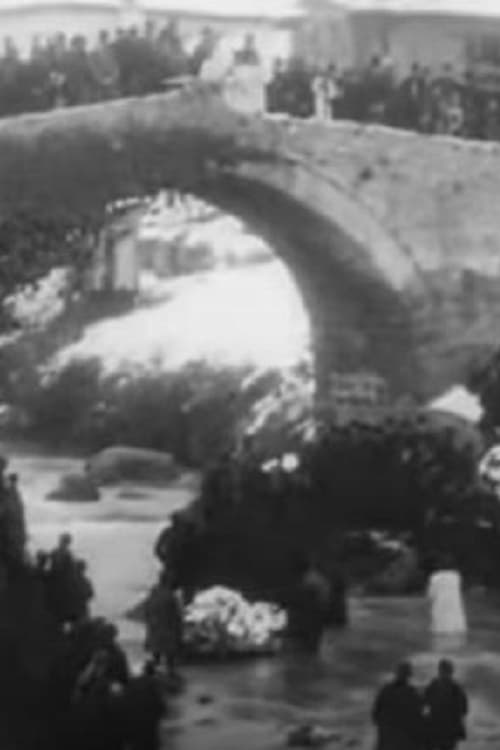
The Celebration of the Religious Festival Epiphany
1905
No user ratings available yet
Representation score: 1.3 out of 10
Representation Score
Minimal
1905
Director
Yanaki Manaki, Milton Manaki
Runtime
1 minutes
Average Rating
No ratings yetNew Showbiz Analysis
This 1905 documentary serves as a foundational ethnographic record of Balkan life. Its primary value lies in its historical documentation of a specific regional identity and religious ritual that predates modern Western cinema. While the film does not offer modern characters who reflect more than one aspect of diversity, it provides a unique perspective on a non-Anglo-Saxon social fabric. It captures the communal traditions of Bitola during a significant era of transition. However, the work strictly adheres to the patriarchal and ecclesiastical structures of the early 20th century. It preserves tradition rather than serving as a platform for diverse or progressive social narratives.
Category Breakdown
The footage focuses on a traditional religious ceremony. There is no indication of LGBTQ+ identities or narratives that challenge traditional norms.
Both men and women participate in the communal ritual, but the social structure follows strict patriarchal norms. The film highlights traditional gender roles without challenging them.
The film captures a vital record of Balkan ethnic identity. It documents a non-Westernized community engaged in regional cultural practices during a period of geopolitical change.
The documentary centers on Christian morality and the Epiphany ritual. It emphasizes religious unity and localized, pre-modern social structures.
There is no evidence of disability, neurodivergence, or sensory impairments being addressed or used as narrative elements in this footage.
Present on Screen
Limited or Absent
Official Synopsis
Early Balkan footage.
1905
1908
1905
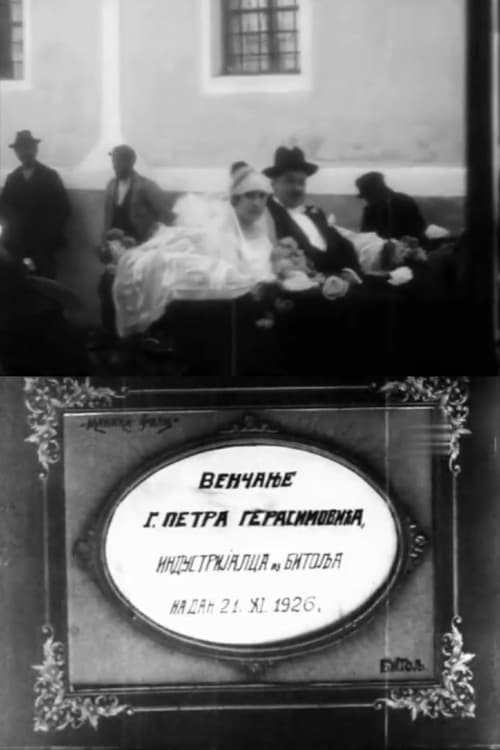
1905
1905
1908
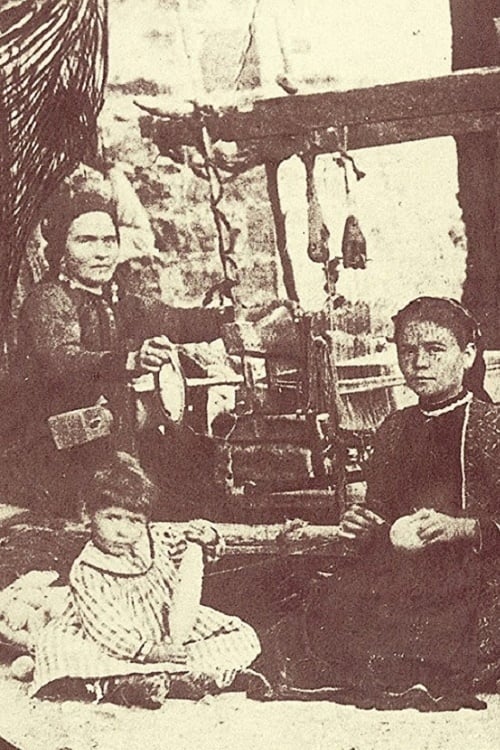
1905

1912
No reviews yet. Be the first to share your thoughts on this movie!
Use the rating form above to leave a star rating and optional review.