
Road to Ninja: Naruto the Movie
2012
No user ratings available yet
Representation score: 5.4 out of 10
Representation Score
Fair
2014
TV-14Director
Tsuneo Kobayashi
Runtime
114 minutes
Average Rating
No ratings yetNew Showbiz Analysis
The film functions as a traditionalist narrative that prioritizes classic heroic archetypes and reinforces established social hierarchies. It aims to provide emotional closure to long-standing character arcs without challenging systemic power dynamics. While the movie gives female characters significant combat roles and drives the narrative, it remains tied to conventional romantic and gendered clichés. The world-building relies on hereditary bloodlines and clan structures to simulate diversity, which lacks the complexity of real-world multi-layered identities. Ultimately, the story celebrates stability and duty. It avoids subverting social norms and upholds the importance of family lineage and the preservation of the existing world order.
Category Breakdown
The film adheres to a strictly heterosexual and cisgender framework. The central plot focuses on the romantic relationship between Naruto and Hinata, without any representation of LGBTQ+ identities or non-cisgender characters.
Female characters play key roles in combat and drive the plot forward. The film passes the Bechdel test through interactions between Hinata and Hanabi, while masculine strength remains the primary defensive force.
Diversity is shown through clan lineages and geopolitical tribalism rather than ethnic identity. Characters are defined by hereditary bloodlines such as the Hyuga and Otsutsuki within a homogeneous aesthetic.
The narrative celebrates the sanctity of legacy and the protection of established social orders. It emphasizes duty to one’s community and the preservation of traditional institutions.
There is no significant engagement with the lived experience of disability. Supernatural abilities are portrayed as combat assets rather than explorations of physical or neurodivergent impairments.
Present on Screen
Limited or Absent
Official Synopsis
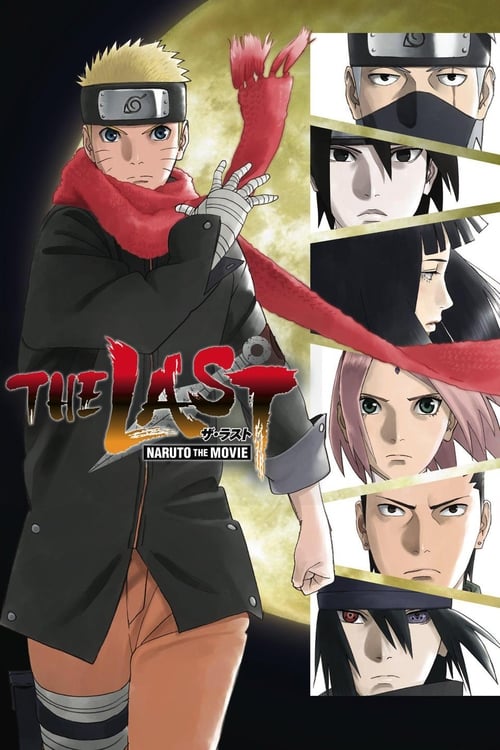
Two years after the events of the Fourth Great Ninja War, the moon that Hagoromo Otsutsuki created long ago to seal away the Gedo Statue begins to descend towards the world, threatening to become a meteor that would destroy everything on impact. Amidst this crisis, a direct descendant of Kaguya Otsutsuki named Toneri Otsutsuki attempts to kidnap Hinata Hyuga but ends up abducting her younger sister Hanabi. Naruto and his allies now mount a rescue mission before finding themselves embroiled in a final battle to decide the fate of everything.
2012
2009
2008

2004
2002
2007
2005
2010
No reviews yet. Be the first to share your thoughts on this movie!
Use the rating form above to leave a star rating and optional review.