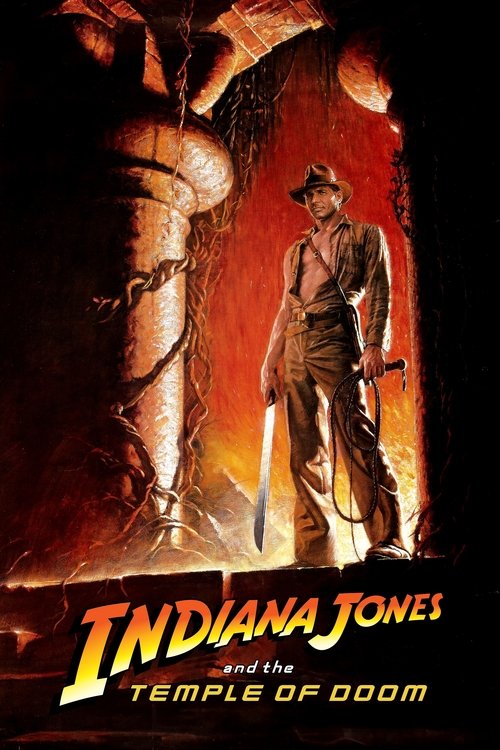
Indiana Jones and the Temple of Doom
1984
No user ratings available yet
Representation score: 2.0 out of 10
Representation Score
Limited
1996
PGDirector
Simon Wincer
Runtime
100 minutes
Average Rating
No ratings yetNew Showbiz Analysis
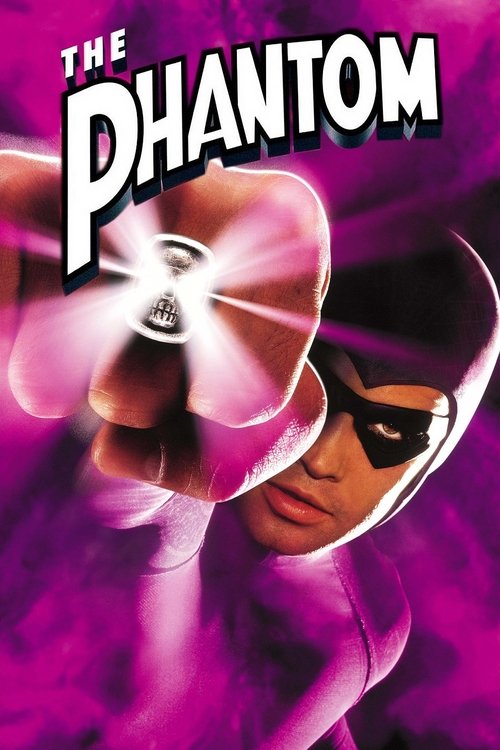
The Phantom upholds traditional heroism and lineage, celebrating classic storytelling. Despite offering a strong female lead with significant influence, the film remains rooted in conventional structures. It avoids challenging social hierarchies or complex identity politics, focusing instead on a straightforward conflict between tradition and greed. Ultimately, the narrative emphasizes pulp-era storytelling over deconstructing authority or exploring deep character complexity.
Category Breakdown
The film adheres to a traditional framework where everyone is assumed to be straight and cisgender. There are no representations of non-binary genders or same-sex relationships.
Diana Palmer breaks the damsel in distress stereotype by being a professional archaeologist with significant influence. She is shown as a capable partner rather than a passive recipient of protection.
Bangalla's setting includes a diverse supporting cast, adding richness to the environment. However, the narrative remains focused on the white protagonist, and the local population is not deeply explored.
The story honors ancestral traditions and sacred heritage through the lens of individual heroism. It focuses on personal achievement rather than critiquing broader societal issues.
There are no prominent characters with visible or invisible disabilities that significantly impact the narrative or provide meaningful roles.
Present on Screen
Limited or Absent
Official Synopsis
The 21st successor to the role of Bengalla's resident superhero must travel to New York to prevent a rich madman from obtaining three magic skulls that would give him the secret to ultimate power.
1984
1973
2008
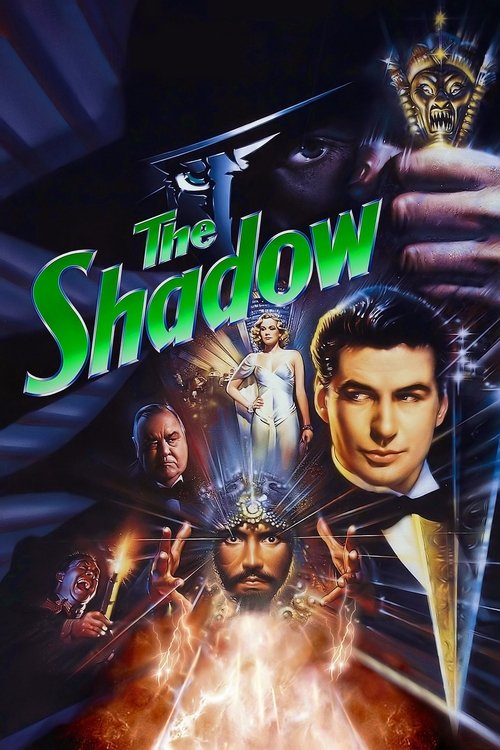
1994
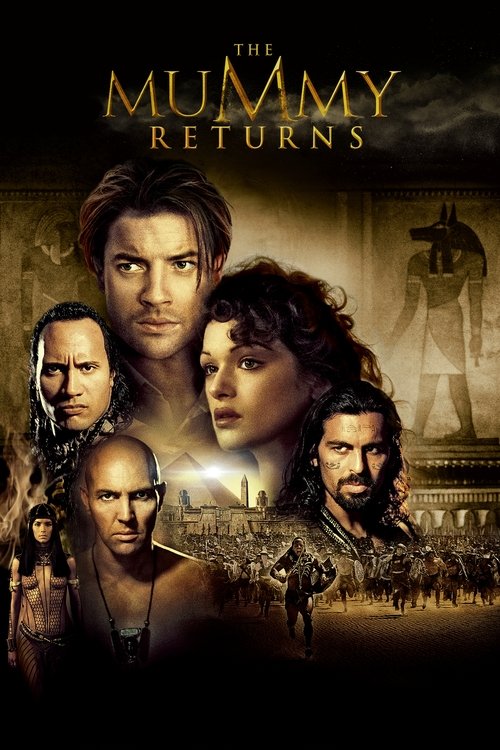
2001
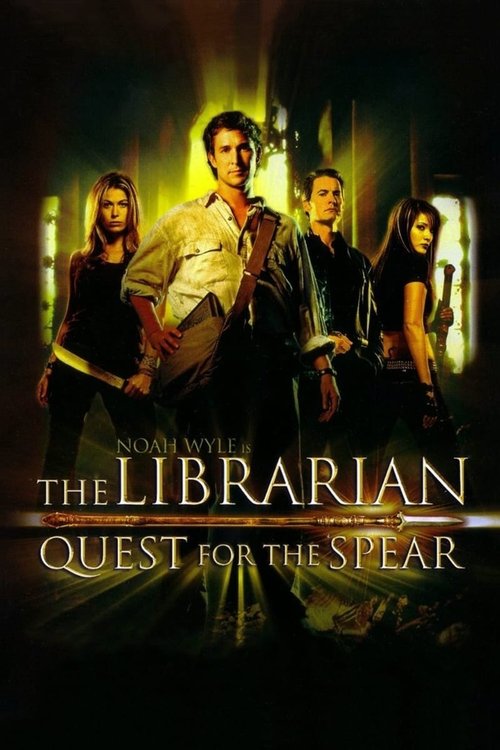
2004
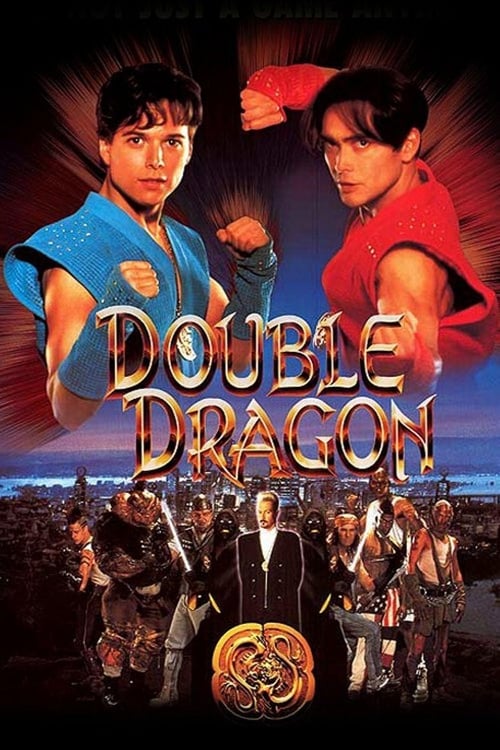
1994
1985
No reviews yet. Be the first to share your thoughts on this movie!
Use the rating form above to leave a star rating and optional review.