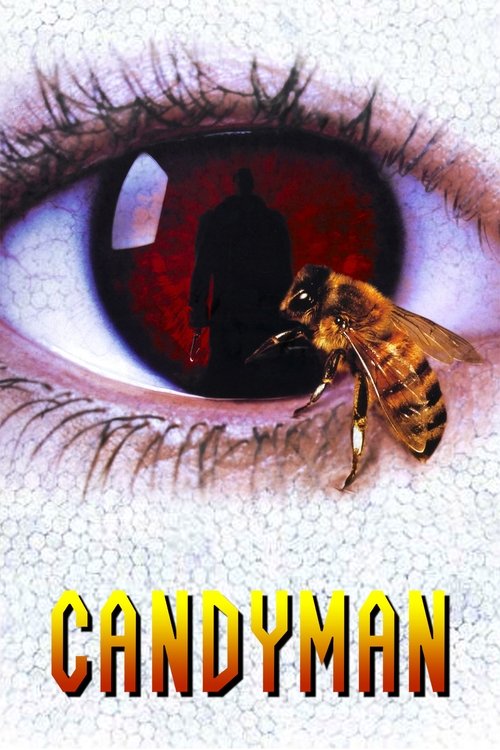
Candyman
1992
No user ratings available yet
Representation score: 8.3 out of 10

Representation Score
Fair
1988
RDirector
Wes Craven
Runtime
98 minutes
Average Rating
No ratings yetNew Showbiz Analysis
The film stands out by placing a Caribbean cultural perspective at the forefront and challenging Western dominance. By featuring a significant Black cast and delving into the intricacies of Vodou, it shifts away from the typical Hollywood outsider narrative. The critique of capitalist exploitation and systemic corruption adds a sophisticated, post-colonial tension. However, the film maintains traditional gender hierarchies and lacks LGBTQ+ representation. Female characters are sidelined, while disability is portrayed primarily for horror purposes rather than character development. Overall, the film offers a complex look at cultural and systemic power dynamics.
Category Breakdown
The film does not include any LGBTQ+ characters or non-straight relationships. The interpersonal dynamics remain centered around traditional heterosexual relationships.
The story focuses mainly on a male academic protagonist. Female characters play supporting roles and have less influence on the plot.
The film features a significant Black cast portraying the Haitian population, avoiding a predominantly white cast. It centers a non-Anglo-Saxon culture in the main storyline.
The narrative contrasts Western scientific methods with Haitian Vodou practices. It effectively highlights capitalist exploitation and the corruption of local power structures.
Zombification is used as a central plot device to show severe physical and neurological impairments. These depictions serve horror themes rather than exploring disability in a nuanced way.
Present on Screen
Limited or Absent
Official Synopsis
A Harvard anthropologist is sent to Haiti to retrieve a strange powder that is said to have the power to bring human beings back from the dead. In his quest to find the miracle drug, the cynical scientist enters the rarely seen netherworld of walking zombies, blood rites and ancient curses. Based on the true life experiences of Wade Davis and filmed on location in Haiti, it's a frightening excursion into black magic and the supernatural.
1992
1943

1996
1966
2014
1932
2005
1972
No reviews yet. Be the first to share your thoughts on this movie!
Use the rating form above to leave a star rating and optional review.