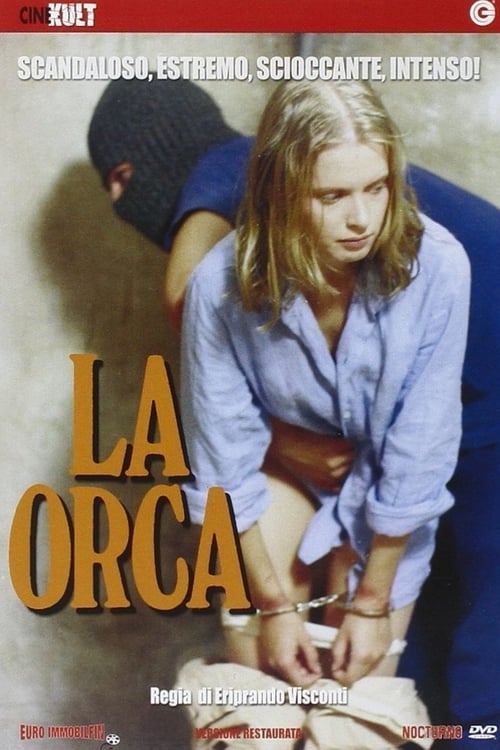
La Orca
1976
No user ratings available yet
Representation score: 2.0 out of 10
Representation Score
Limited
1958
PGDirector
Justus Addiss
Runtime
61 minutes
Average Rating
No ratings yetNew Showbiz Analysis
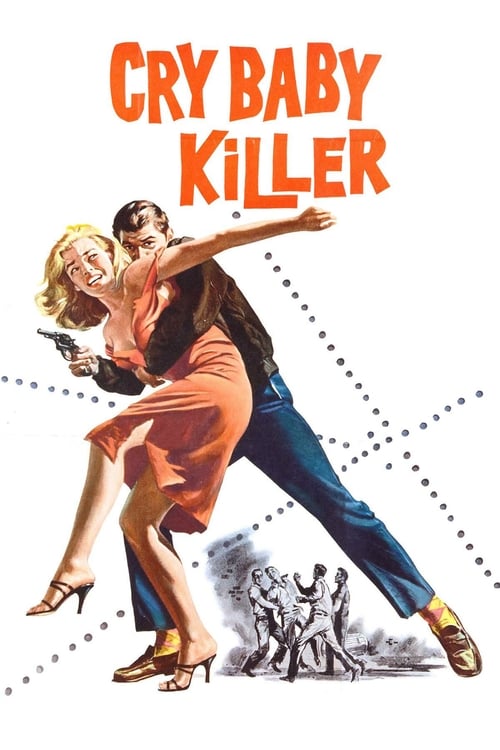
Cry Baby Killer is a product of a highly homogeneous era, lacking significant racial, cultural, or LGBTQ+ diversity. The cast and setting reflect the limited demographic range typical of 1958 American cinema. However, the film offers a sophisticated disruption of conventional character archetypes. By focusing on a protagonist who resists hyper-masculine mandates, it provides a nuanced view of gendered behavior for its time. Ultimately, the thematic depth regarding masculinity cannot offset the absence of multi-layered visibility, resulting in a low overall diversity score.
Category Breakdown
The film reflects the straight-centered social structures of the late 1950s. There are no representations of LGBTQ+ identities or non-binary gender expressions.
The narrative challenges rigid gender roles by centering a protagonist known for his emotional sensitivity. This 'cry baby' archetype breaks down the stereotype of the stoic 'tough guy.'
The cast is predominantly white, reflecting the homogeneous demographics of mid-century small-town America. The film lacks significant presence of racial minorities or diverse casting.
The story operates within a traditional Western narrative framework, exploring personal moral dilemmas without critiquing broader societal or institutional structures.
The film does not feature any prominent depictions of physical or neurodivergent disabilities. The protagonist’s psychological state is portrayed as adolescent anxiety rather than a specific disability.
Present on Screen
Limited or Absent
Official Synopsis
After committing what he thinks is murder, teenage Jimmy Wallace panics and holds a couple hostage.
1976

1955

1950

1958
1957
1974
1956
1971
No reviews yet. Be the first to share your thoughts on this movie!
Use the rating form above to leave a star rating and optional review.