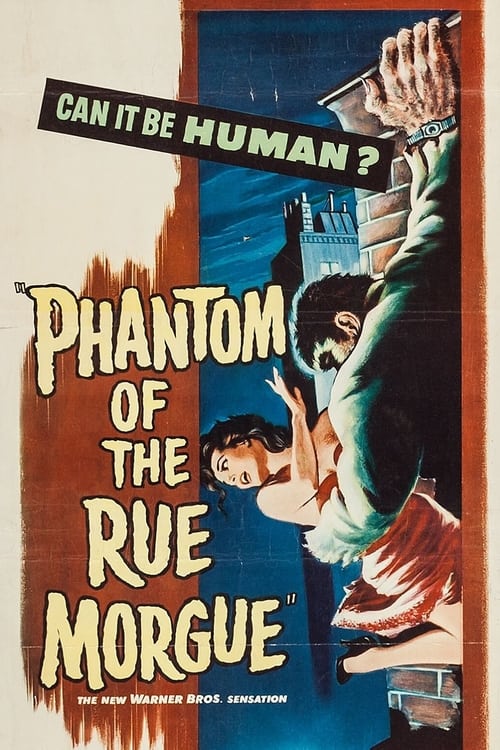
Phantom of the Rue Morgue
1954
No user ratings available yet
Representation score: 1.6 out of 10
Representation Score
Minimal
1942
NRDirector
Phil Rosen
Runtime
61 minutes
Average Rating
No ratings yetNew Showbiz Analysis
The film is a product of the early 1940s studio era, prioritizing established genre clichés over progressive themes. It adheres to the standard social and cinematic hierarchies of its time, lacking any intentional disruption of identity. Narratively, the work functions as a traditional crime mystery. It relies on conventional investigative structures that reinforce existing social orders rather than challenging them through diverse storytelling. Ultimately, the production reflects the era's homogeneous casting and narrow focus on straight relationships. It lacks the diversity needed to disrupt the prevailing Anglo-centric and gendered norms of the period.
Category Breakdown
The film follows the assumption that everyone is straight or cisgender, typical for 1942 studio productions. There is no depiction of non-cisgender gender identities or same-sex relationships.
While the narrative focuses on a female character, her role is mostly reactive. The female presence mainly serves to trigger male-driven investigation rather than challenge traditional hierarchies.
The film likely mirrors the homogeneous casting standards of its era. There is no documented evidence of significant non-white representation or actors of different racial backgrounds.
The story operates within established Western legal and moral structures. It follows conventional investigative formulas that typically reinforce existing social orders.
There is no evidence of characters with visible or invisible disabilities. Disability is not used as a narrative device in this production.
Present on Screen
Limited or Absent
Official Synopsis
A detective investigates the mysterious death of a young actress.
1954

1944
1945

1933
1944
1944
1934
1948
No reviews yet. Be the first to share your thoughts on this movie!
Use the rating form above to leave a star rating and optional review.