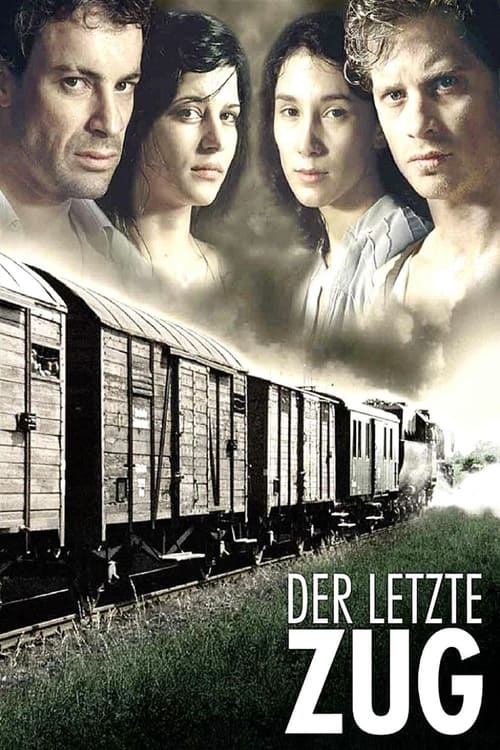
The Last Train
2006
No user ratings available yet
Representation score: 4.6 out of 10
Representation Score
Limited
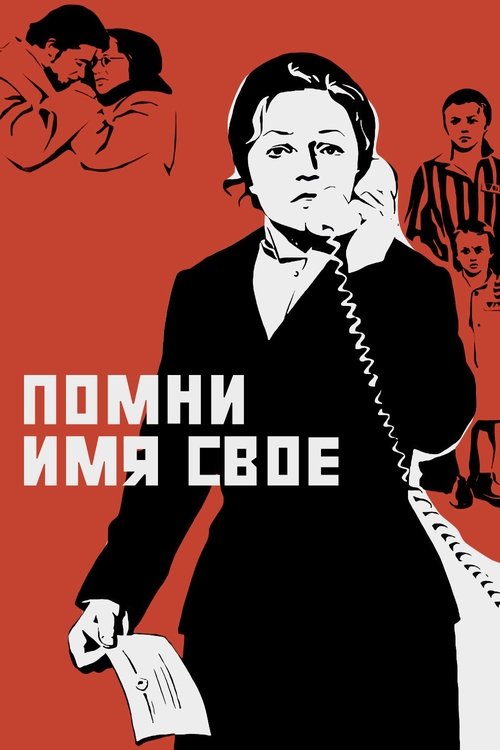
1974
Director
Sergey Kolosov
Runtime
97 minutes
Average Rating
No ratings yetNew Showbiz Analysis
Remember Your Name is a historical drama centered on the survival of a Russian woman and her child within the Auschwitz concentration camp. It prioritizes a specific maternal and ethnic narrative over a broad multi-layered scope. The film places women's ability to drive the story at the heart of a violent historical epic. By focusing on Zinaida's endurance, it moves away from traditional masculine war clichés to highlight the human cost of fascism. However, the film remains ethnically homogeneous and lacks representation for LGBTQ+ identities or specific disability portrayals. It functions as a focused critique of systemic oppression rather than a multifaceted study of diverse identities.
Category Breakdown
The film does not include any LGBTQ+ characters or stories about non-assuming gender matches what was assigned at birth identities. The narrative centers around the maternal bond and female survival.
Zinaida is a key character who navigates systemic violence. The film shifts the focus from masculine combat to the endurance of the female experience through motherhood.
The story is specifically about the Russian and Soviet experience during World War II. It shows a homogeneous group within the context of wartime conflict.
The film criticizes oppressive military structures and the Nazi regime. It highlights individual trauma against the state rather than the glory of war.
There is no specific depiction of physical or neurodivergent disabilities. The setting suggests widespread physical trauma due to camp conditions.
Present on Screen
Limited or Absent
Official Synopsis
Beginning of WWII. Zinaida, a Russian woman, is taken prisoner by the Germans and sent to Auschwitz concentration camp together with several other women. She is imprisoned with her baby son, Gena, who is learning to walk and takes his first steps in the snow, in the concentration camp. They spend a few years together in the camp until they are separated, first within Auschwitz itself, then, for good, when the Germans are losing the war and decide to evacuate.
2006
2018
1959
2015

2017
1987
1978

1967
No reviews yet. Be the first to share your thoughts on this movie!
Use the rating form above to leave a star rating and optional review.