Color Film
1971
No user ratings available yet
Representation score: 0.6 out of 10
Representation Score
Minimal
1978
Director
Bruce Posner
Runtime
6 minutes
Average Rating
No ratings yetNew Showbiz Analysis
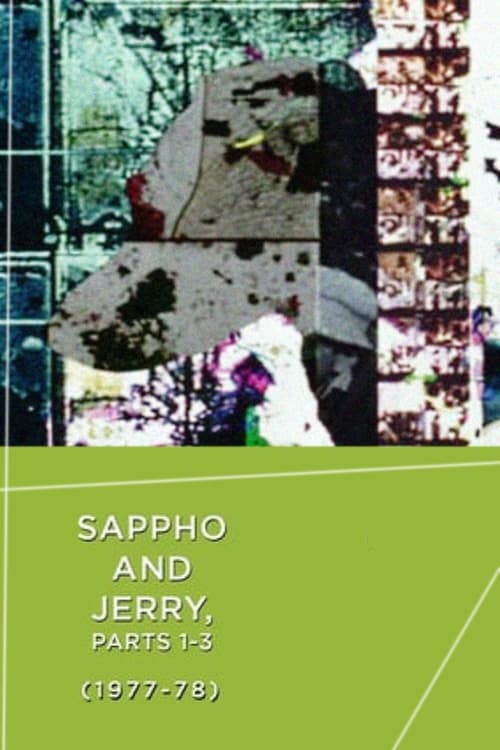
Sappho and Jerry (Parts I - III) primarily serves as a formalist study of analog filmmaking. It emphasizes the precision of 35mm optical printing and the visceral qualities of the medium rather than character-driven social commentary. Since the film is presented as a technical exploration of filmmaking, it lacks the narrative structure needed to evaluate characters who reflect more than one aspect of diversity. There are no visible indicators of racial, gendered, or disability-related themes within the documented scope. Ultimately, the film's focus on the physical process of filmmaking leaves its potential for social or cultural representation unexplored.
Category Breakdown
The title references Sappho, associated with same-sex desire, but the film doesn't explicitly confirm any LGBTQ+ characters. The focus is on technical execution rather than identity-driven storytelling.
There is no information about female character arcs or roles. The film focuses on the director's relationship with analog equipment rather than gendered social dynamics.
No information is provided about cast members or ethnic backgrounds. The technical overview does not mention racial or ethnic themes.
This experimental work prioritizes detailed, visceral film reproduction over socio-political themes. There is no evidence of critiques of Western institutions or specific cultural identities.
The provided material contains no information about the portrayal of neurodivergence or physical disabilities.
Present on Screen
Limited or Absent
Official Synopsis
According to director Bruce Posner, “The three parts developed over a year period of intense study during the mid-1970s. It sort of began and ended my dependency on ‘high-tech’ equipment to make films and led me through the equally intensive parameters of what motion picture film could reproduce on a visceral, detail-oriented level. In contrast to the high-end 2K digital technology used to restore ‘Manhatta’ and ‘Ballet Mechanique,’ I learned filmmaking decades earlier on a 35mm Oxberry beam-splitter, multi-head, aerial-image bi-pac optical printer — a dinosaur by today’s standards and all hand operated prior to the advent of computer-assists, this machine was precise and exact to the frame. ‘S&J: Pt. 3’ took 26 hours to shoot straight thru without one mistake.”
1971
1967
1968
1975
1960
1975
1974
1971
No reviews yet. Be the first to share your thoughts on this movie!
Use the rating form above to leave a star rating and optional review.