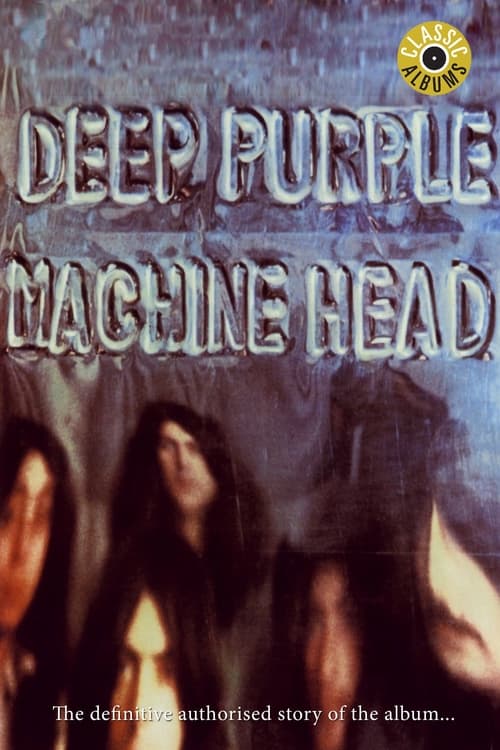
Classic Albums: Deep Purple - Machine Head
2002
No user ratings available yet
Representation score: 0.2 out of 10
Representation Score
Good
2007
Director
Matthew Longfellow
Runtime
50 minutes
Average Rating
No ratings yetNew Showbiz Analysis
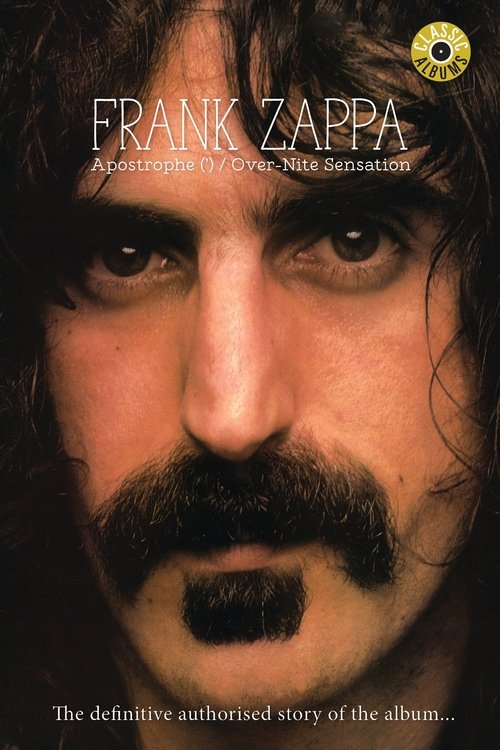
This documentary serves as a specialized historical record of Frank Zappa’s mid-1970s musical output. Its primary goal is the deconstruction of compositional techniques and the preservation of musical history rather than character-driven social narratives. The film operates outside standard frameworks of social representation, focusing instead on the technical and creative processes of a singular artist. It prioritizes musicological depth over the exploration of social dynamics. While the work lacks intentionality regarding contemporary identity politics, it avoids harmful stereotyping by maintaining a strictly professional focus on the artist's legacy and technical mastery.
Category Breakdown
The documentary does not focus on LGBTQ identities. However, Zappa's work often touches on social non-conformity, which the film explores through the lens of his musical compositions.
The film centers on musical experts, engineers, and musicians. Given the historical context of the 1970s recording industry, the perspectives likely reflect the male-dominated technical roles of that era.
The documentary focuses on the specific musical lineage of Zappa’s ensemble. While the genres explored are multicultural, the film does not center on racial identity politics as a narrative driver.
The film celebrates artistic subjectivity and the disruption of mainstream norms. It highlights Zappa's groundbreaking musical diversity and his penchant for avant-garde, non-traditional artistic expression.
There is no visible evidence regarding the portrayal of neurodivergence or physical disabilities. The film maintains a standard documentary focus on professional musicianship and archival history.
Present on Screen
Limited or Absent
Official Synopsis
This episode focuses on Zappa's early 70s albums, Overnight Sensation (1973) and Apostrophy (') (1974). Together they encapsulate Zappa's extraordinary musical diversity and were also the 2 most commercially successful albums that he released in his prolific career. Included are interviews, musical demonstrations, rare archive & home movie footage, plus live performances to tell the story behind the conception and recording of these groundbreaking albums. Extras include additional interviews and demonstrations not included in the broadcast version, 2 full performances from the Roxy in 1973 and Saturday Night Live in 1976, and new full live performance done specially for these Classic Albums.
2002
2002
2001

2010
1999
1997
1997
1999
No reviews yet. Be the first to share your thoughts on this movie!
Use the rating form above to leave a star rating and optional review.