
Theatre
1978
No user ratings available yet
Representation score: 1.6 out of 10
Representation Score
Good
1971
Director
Rainer Werner Fassbinder
Runtime
84 minutes
Average Rating
No ratings yetNew Showbiz Analysis
Rainer Werner Fassbinder’s work serves as an intellectual critique of the institutions that shape Western stability. Although the film lacks diversity in terms of race and sexual orientation, it excels in its narrative structure that dismantles traditional power dynamics. The film prioritizes challenging idealized views of social progress by framing characters through the lens of systemic corruption. However, the historical context limits the presence of diverse racial and LGBTQ+ identities.
Category Breakdown
The film does not include explicit LGBTQ+ characters or non-straight relationships. It focuses on the social structures of 19th-century German society, which assumes everyone is straight.
Masculinity is shown through practical ambition rather than heroic ideals. The story explores how gender roles help people achieve economic success and move up in society.
The cast is mostly white and European, reflecting the post-Napoleonic setting in Ingolstadt. The film focuses on the class conflicts within German society.
The film provides a critical look at emerging capitalist structures and Western institutions. It frames opportunistic behaviors as reactions to a corrupt system using moral relativism.
There are no significant portrayals of visible or invisible disabilities. Characters are defined by their socioeconomic status and their roles in class struggles, not by physical or neurodivergent traits.
Present on Screen
Limited or Absent
Official Synopsis
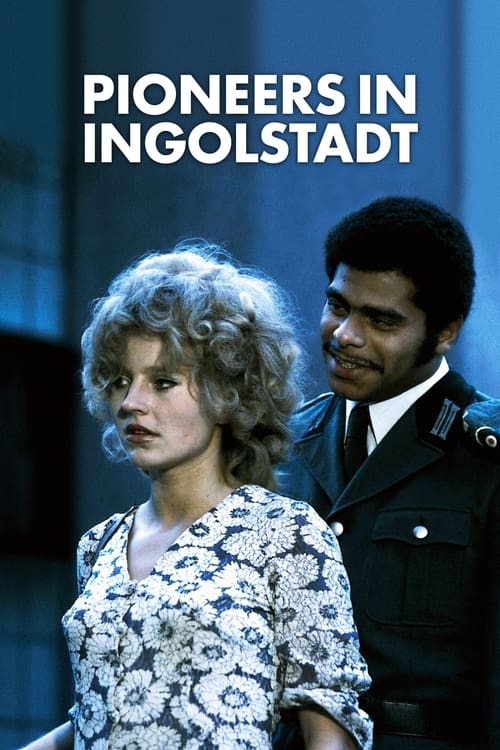
Berta, a naive young maid, searches for love when the army engineers come to town to build a bridge.
1978

1965

1971
1967
1946
1974

2019

1973
No reviews yet. Be the first to share your thoughts on this movie!
Use the rating form above to leave a star rating and optional review.