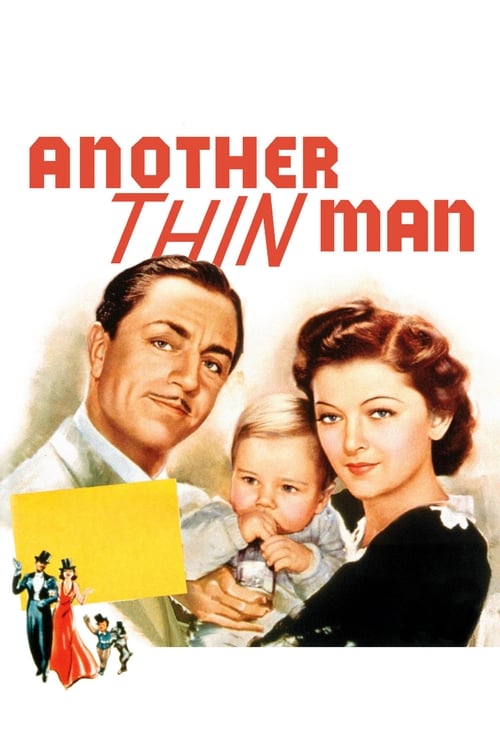
Another Thin Man
1939
No user ratings available yet
Representation score: 1.5 out of 10
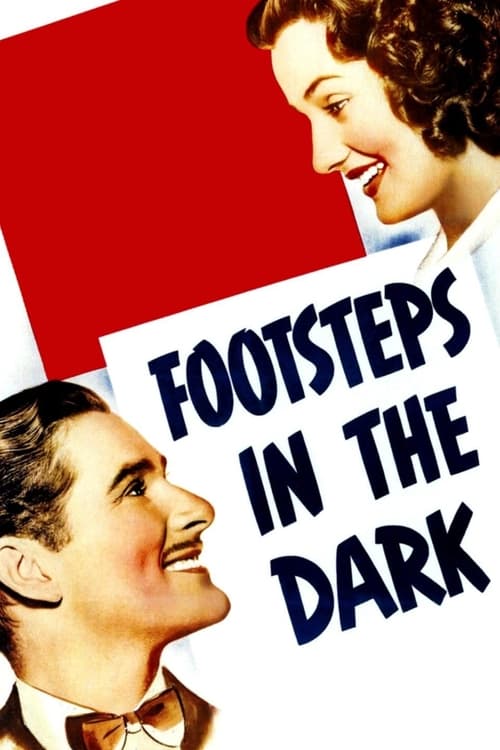
Representation Score
Minimal
1941
NRDirector
Lloyd Bacon
Runtime
96 minutes
Average Rating
No ratings yetNew Showbiz Analysis
Footsteps in the Dark is a quintessential product of the 1941 studio system, prioritizing conventional entertainment over social exploration. The narrative structure relies on established power dynamics and traditional archetypes that reflect the era's systemic constraints. The film reinforces standard social norms rather than challenging them. By centering a male protagonist's secret life and a domestic female lead, it maintains a rigid view of gender and social hierarchy. Ultimately, the work lacks depth in representing diverse identities and underrepresented groups, offering a homogeneous depiction of high society.
Category Breakdown
The film adheres to an assumption that everyone is straight or cisgender, with no evident presence of LGBTQ+ identities or themes.
The story emphasizes mid-century gender hierarchies by focusing on male-driven action. The female lead is primarily a domestic figure concerned with maintaining marital stability.
The film lacks significant racial or ethnic diversity, centering a homogeneous, white, high-society narrative. Characters of color have limited influence or meaningful roles.
The plot aligns with traditional Western social structures and the preservation of the nuclear family. It centers on high-society dynamics and established legal channels.
There is no evidence of characters with visible or invisible disabilities. Disability is not used as a central theme.
Present on Screen
Limited or Absent
Official Synopsis
A high-society gent has a secret life - he writes murder mysteries and hangs out with the police attempting to solve crimes. This causes him no end of problems when his wife wants to know about his little disappearances and exceptionally late nights out.
1939
1941
1936
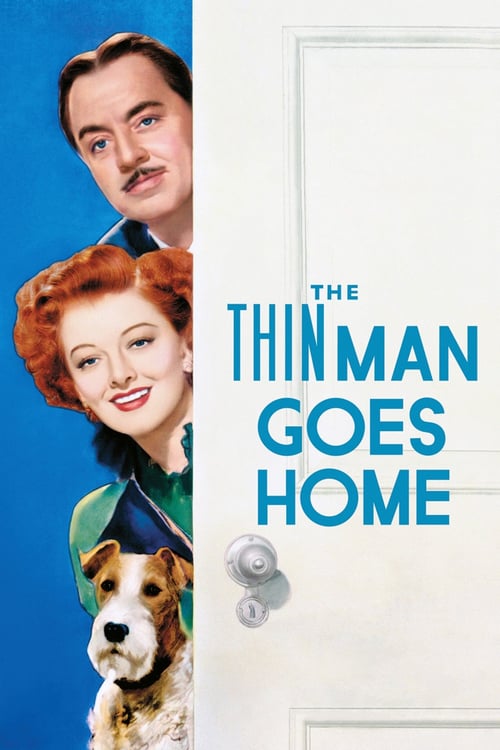
1944
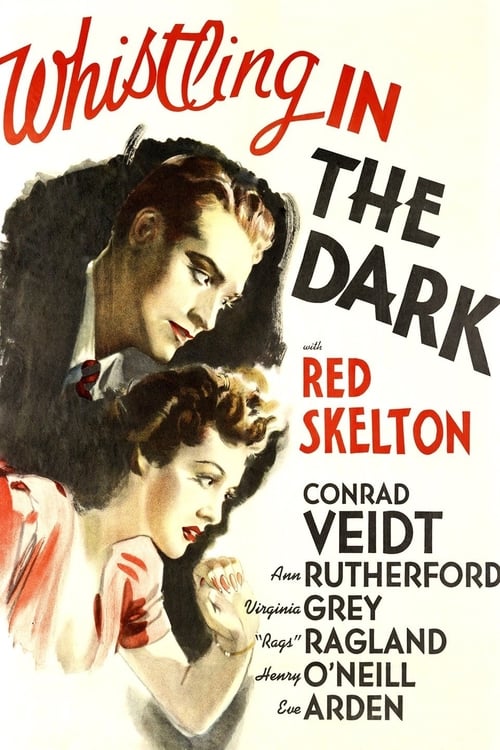
1941
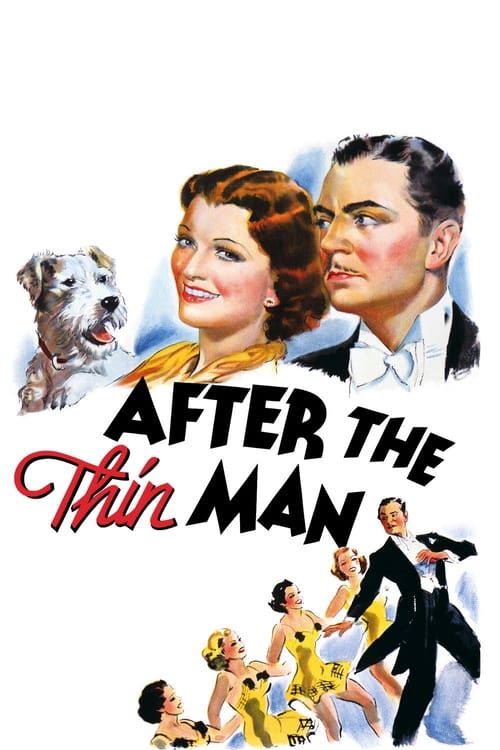
1936
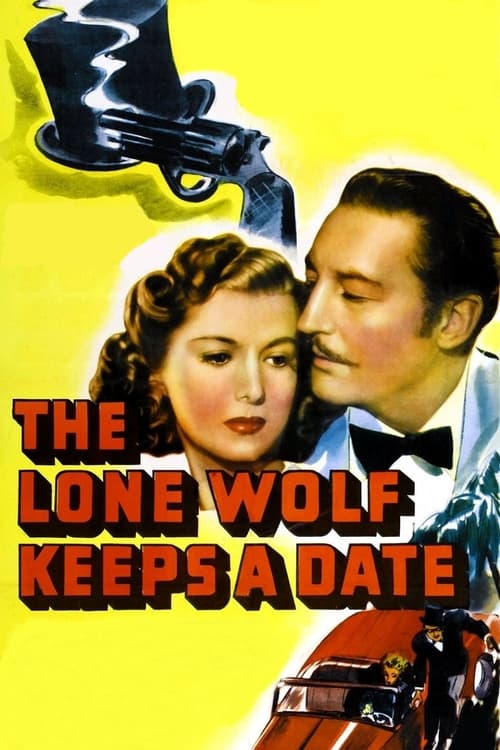
1940
1934
No reviews yet. Be the first to share your thoughts on this movie!
Use the rating form above to leave a star rating and optional review.