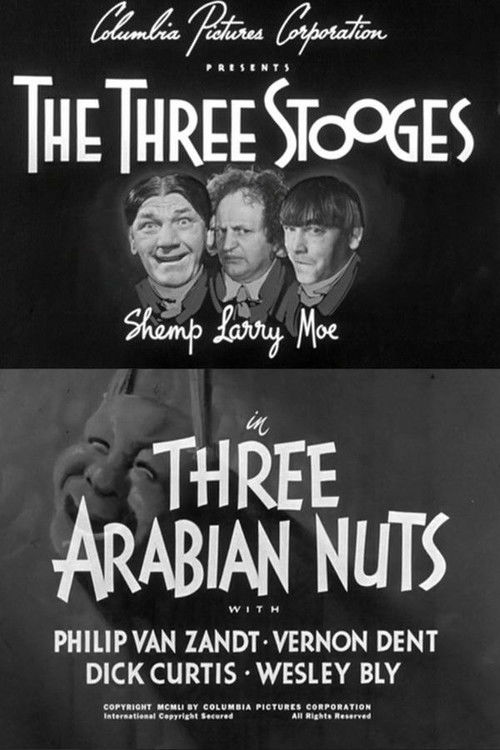
Three Arabian Nuts
1951
No user ratings available yet
Diversity score: 2.1 out of 10
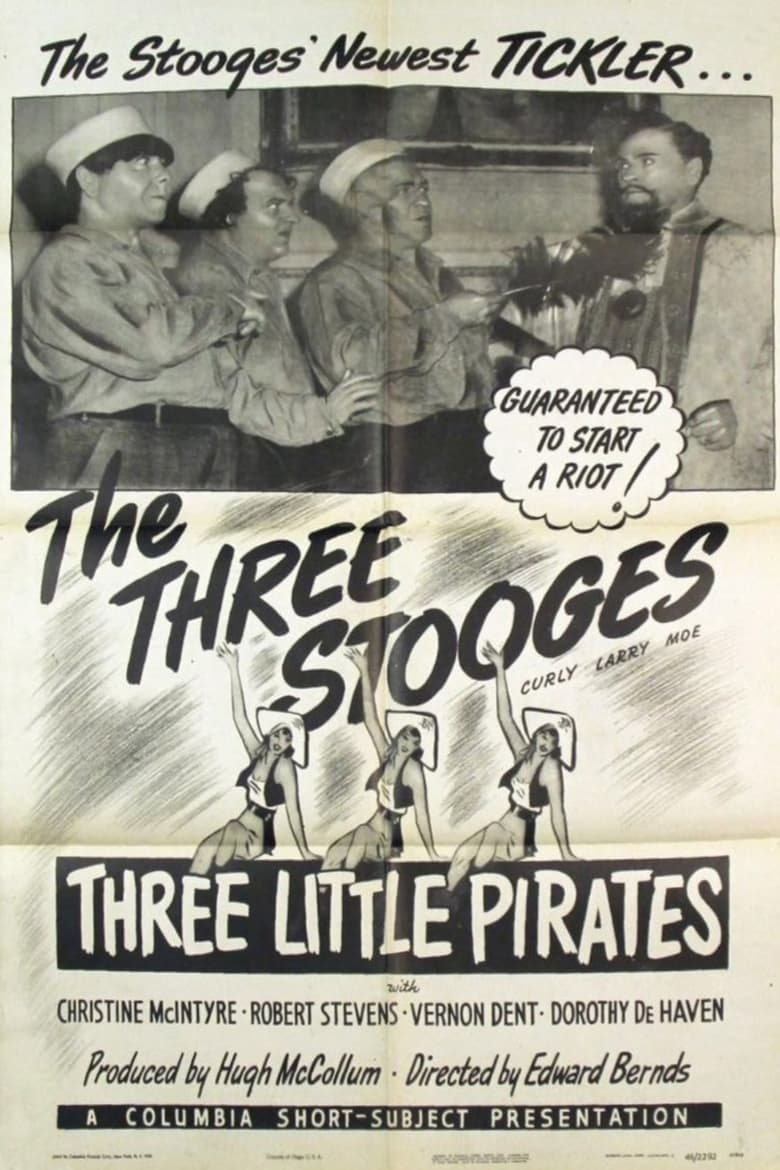
1946
Director
Edward Bernds
Runtime
18 minutes
Average Rating
No ratings yetSynopsis
The stooges are castaways from a garbage scow who land on Dead Man's Island where everyone is living in olden times. To escape from the governor, they disguise Curly as a Maharaja and win permission to journey to their own country to fetch presents. The governor is fooled, but the boys run into more trouble in the den of Black Louie the pirate where Curly is forced into a knife throwing contest with Larry as the target. Things look bad until a mis-thrown knife cuts the rope that holds the chandelier and it crashes down on Black Louie's men. With the pirates defeated, Moe decides to take over as ruler of the island.
Overall Score
Minimal
Category Breakdown
LGBTQ+ Representation
The film contains no depictions of non-heteronormative identities or queer narratives. The cast is exclusively male, focusing entirely on fraternal slapstick.
Gender Representation
An all-male cast reinforces a traditional masculine-centric environment. The absence of female agency maintains a strictly traditional gendered vacuum throughout the story.
Racial & Ethnic Diversity
The film utilizes Maharaja tropes as a comedic disguise, functioning through cultural caricature. Depictions lack depth or agency for non-Western characters, using ethnic signifiers as plot devices.
Religious & Cultural Diversity
The narrative operates within a standard Western comedic tradition. It lacks moral relativism or anti-institutional themes, focusing instead on situational incompetence and survival.
Disability Representation
There is no intentional representation of neurodivergence or physical disability. Physical vulnerability is utilized as a source of slapstick humor rather than granting character agency.
Strengths
Areas for Improvement
AI Analysis
Three Little Pirates is a mid-century slapstick short that operates within the highly traditional comedic frameworks of the 1940s. The narrative architecture relies on physical chaos and situational absurdity rather than character-driven social commentary. The film adheres to the era's conventional social hierarchies and lacks the intentionality required to disrupt or subvert traditional demographic or gendered norms. It prioritizes physical timing over narrative subversion. Ultimately, the work reinforces existing social and demographic status quos. It lacks the structural elements, such as intersectional casting or the deconstruction of power dynamics, necessary for a progressive score.
1951
1948
1945
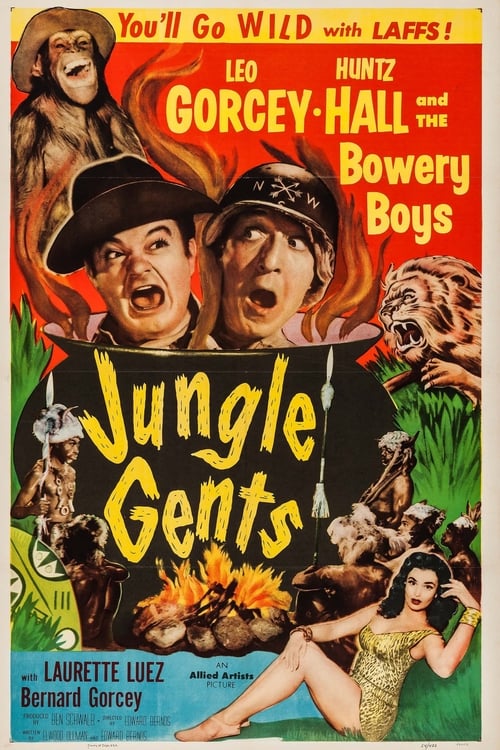
1954
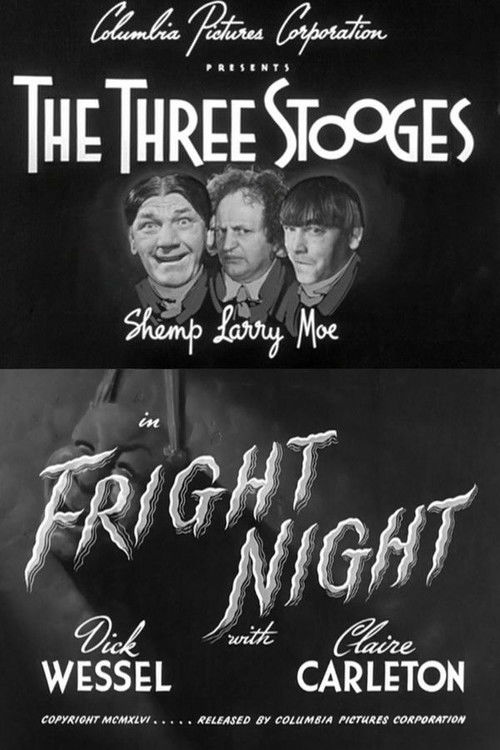
1947
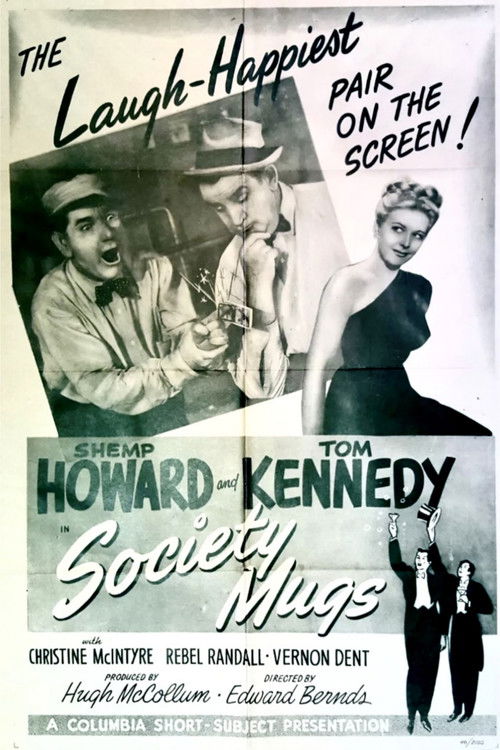
1946
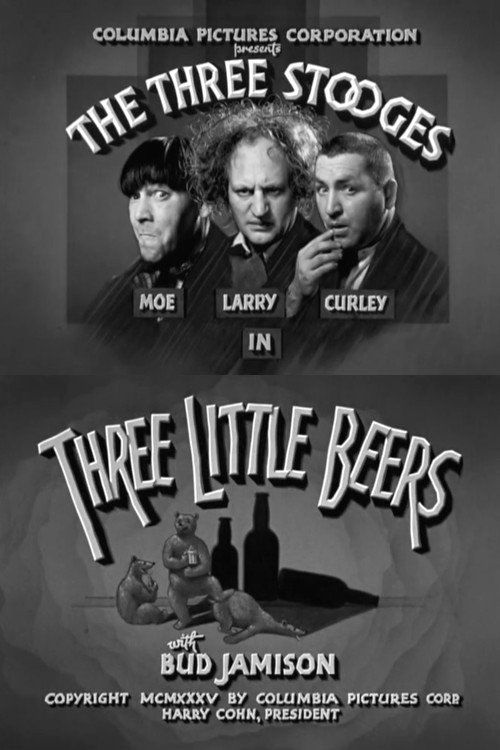
1935
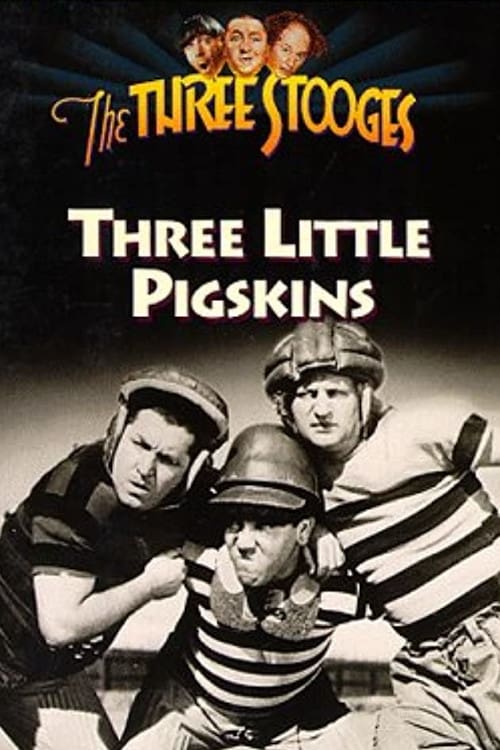
1934
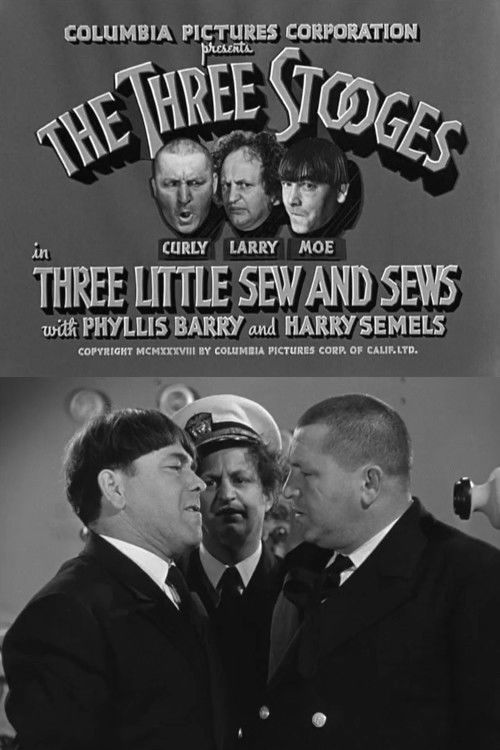
1939
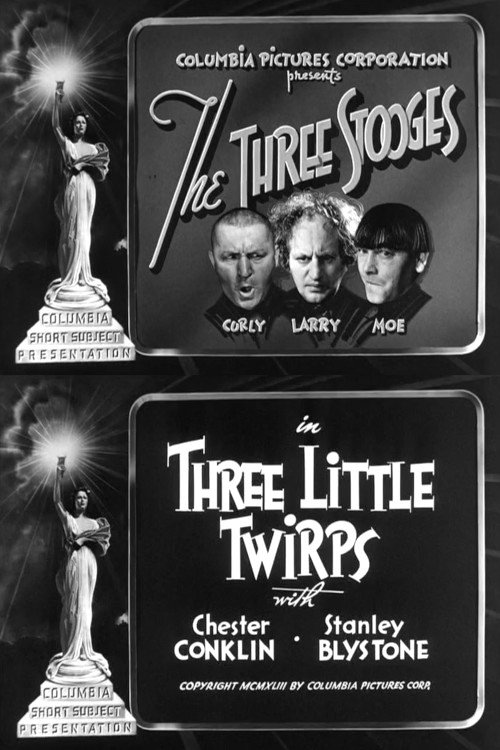
1943
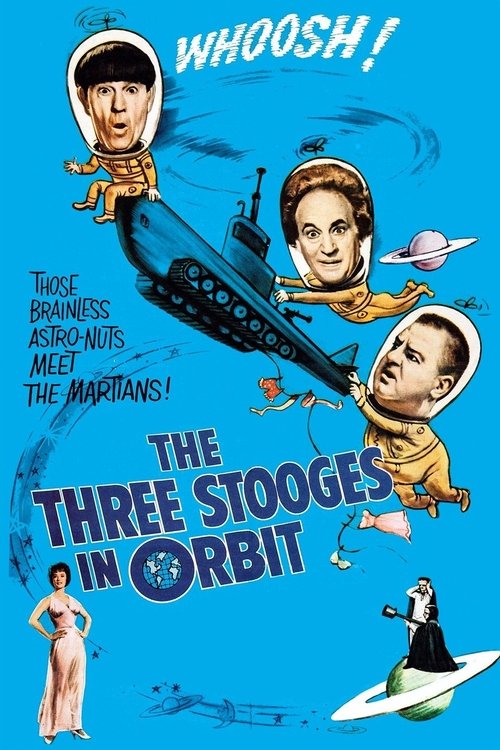
1962
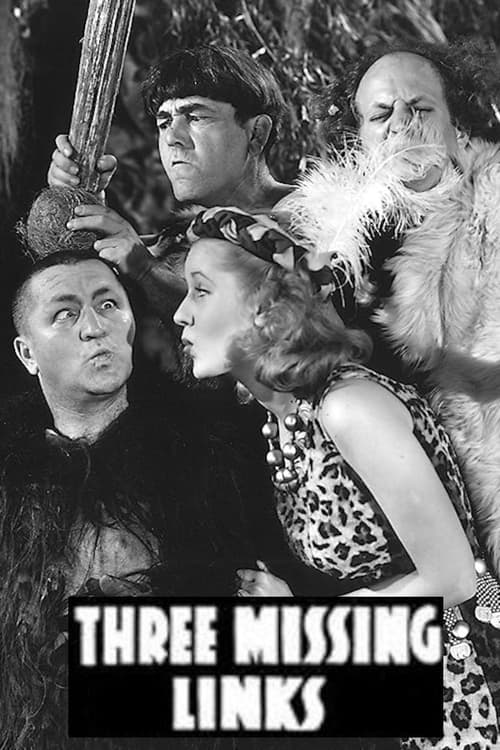
1938
No reviews yet. Be the first to share your thoughts on this movie!
Use the rating form above to leave a star rating and optional review.