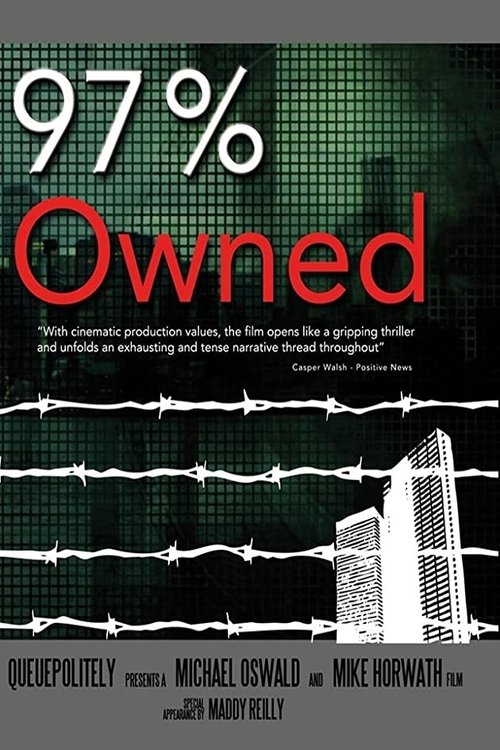
97% Owned
2012
No user ratings available yet
Representation score: 7.6 out of 10

Representation Score
Good
2012
Director
Jérôme Fritel
Runtime
71 minutes
Average Rating
No ratings yetNew Showbiz Analysis
This documentary functions as a systemic inquiry into the power of a multinational financial institution. Rather than relying on character-driven clichés, it deconstructs how centralized economic entities influence global governance. The film's strength lies in its cultural critique of Western dominance and the complexity of global capitalism. It challenges the traditional sanctity of economic pillars by framing them as intricate, systemic actors. However, the work lacks depth in exploring how different aspects of identity intersect. Because it focuses on institutional structures, it misses opportunities to delve into identity-based narratives or specific representation regarding gender, race, or disability.
Category Breakdown
The documentary focuses on corporate and economic structures. There are no specific LGBTQ+ character arcs or identity-based narratives present.
The film examines macro-economic influence rather than gender hierarchies. It implicitly critiques the male-dominated landscape of high finance without centering on patriarchal subversion.
The narrative addresses the globalized impact of Western capital on international populations. However, it lacks specific evidence of diverse casting or character-driven racial narratives.
The film provides a strong critique of Western institutional dominance. It uses an anti-capitalist framework to portray global capitalism as a force influencing sovereign nations.
There is no documented evidence of disability representation. Neurodivergence is not utilized as a narrative element within this investigative work.
Present on Screen
Limited or Absent
Official Synopsis
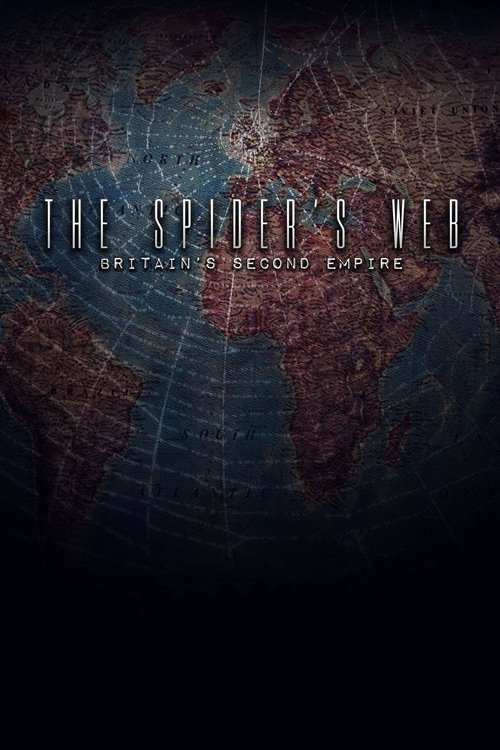
This documentary is a case study of the multinational tentacles of the world's biggest bank, how it started and what its power means to everyone.
2012

2010

2018
2005
2013
2016
2017

2012
No reviews yet. Be the first to share your thoughts on this movie!
Use the rating form above to leave a star rating and optional review.