
Twin Sisters
2013
No user ratings available yet
Representation score: 6.1 out of 10
Representation Score
Good
2025
Director
Martyna Wojciechowska, Jowita Baraniecka
Runtime
97 minutes
Average Rating
No ratings yetNew Showbiz Analysis
The film opens on the face of Tamuna Museridze, a woman who knows her own name is a lie, establishing a premise where identity is not given but stolen. This is not a story of individual loss but of systemic extraction, where the post-Soviet state functions as a shadowy broker of human life. The camera lingers on the faces of the twins, Amy and Ano, who were separated at birth and raised in different families, their reunion framed not as a happy ending but as a forensic recovery of what was taken. The sold meaning is clear: the traditional family is the natural order, and the state is the thief. The film’s argument is that the post-Soviet era was not a liberation but a period of profound institutional violence against the most vulnerable. The ending, where the twins finally meet, is not a celebration but a verdict on the hollow nature of the institutions that separated them. The film’s power lies in its specificity, grounding a universal theme of displacement in the particular geography and history of Georgia. It does not seek to generalize but to document, and in doing so, it reveals the deep scars that remain when the state fails to protect the family.
Category Breakdown
No queer presence. The narrative stays fixed on the heteronormative family unit and the trauma of separation. Identity remains strictly biological and familial.
Women drive the investigation and emotional arc. Tamuna and the twins are central figures. The film notes that parents deemed journalism and acting unsuitable for women, positioning female competence as a deviation from expected domesticity.
The film centers Georgian identity and post-Soviet ethnic displacement. It includes the Abkhazian refugee experience. National and ethnic identity serve as the primary axis of belonging, tying stolen status to the violation of local cultural continuity.
The narrative frames state and medical institutions as perpetrators of systemic violence. Bureaucratic machinery facilitated the erasure of family bonds. The post-Soviet state is depicted as hollow and illegitimate in its handling of human life.
No physical, cognitive, or sensory disabilities are depicted. The trauma described is psychological and social. It is not rooted in bodily impairment or neurodivergence.
Present on Screen
Limited or Absent
Official Synopsis
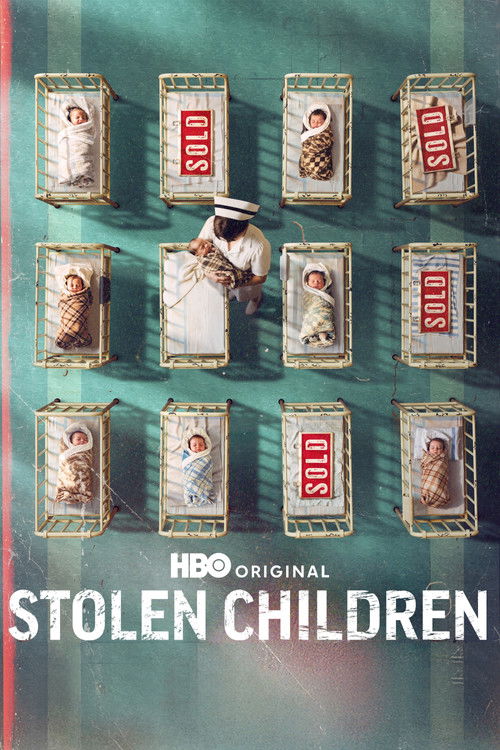
The film takes us to Georgia, where the shadows of the post-Soviet past still loom large. At its center is investigative reporter Tamuna Museridze, who sets out to unravel a profoundly personal mystery. As she follows the trail of a widespread 1990s scheme in which newborns were taken from Georgian maternity wards and trafficked across the world, she exposes networks, mechanisms, and long-buried secrets along with family tragedies that remain just as painful today. The scale of the practice is staggering: as many as 100,000 children were stolen from hospitals and sold. Among them were Amy and Ano, twin sisters separated at birth who finally found each other in 2024 through social media.
2013

2026

2014

2011

2016
2019

2025

2016
No reviews yet. Be the first to share your thoughts on this movie!
Use the rating form above to leave a star rating and optional review.