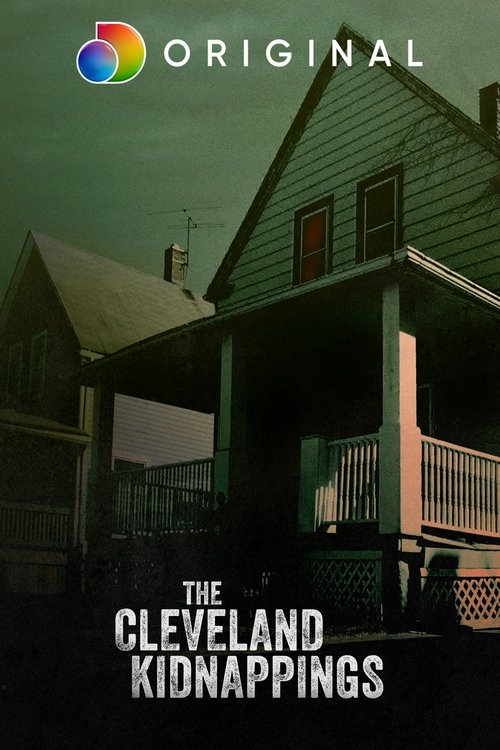
The Cleveland Kidnappings
2021
No user ratings available yet
Representation score: 7.5 out of 10

Representation Score
Minimal
2026
TV-MADirector
Benedict Sanderson
Runtime
91 minutes
Average Rating
No ratings yetNew Showbiz Analysis
The documentary centers Elizabeth Smart’s voice, which is a meaningful step for gender representation in true crime. Her perspective anchors the narrative and resists the common pattern of silencing victims. However, the film’s diversity footprint remains narrow. The cast is almost entirely white, reflecting the real-life case but offering no broader racial or ethnic visibility. LGBTQ+ identities and disability are entirely absent. Culturally, the story stays close to family trauma and personal fear without interrogating wider social or institutional forces. The result is a focused, survivor-led account that lacks intersectional depth.
Category Breakdown
No LGBTQ+ characters or same-sex relationships appear in the film. The narrative concentrates on a true-crime abduction story without introducing queer identities or relationships.
Elizabeth Smart is the central figure narrating her own survival. The documentary foregrounds her experience, yet frames her primarily as a victim rather than as a leader or agent of change.
The cast is predominantly white, mirroring the demographics of the actual Utah case. No characters of color are highlighted in the available details.
The film portrays a Utah family and the trauma of abduction. It emphasizes personal fear and family bonds rather than critiquing broader institutions or Western cultural values.
No characters with physical or mental disabilities are identified in the plot summary or cast information. Disability representation is absent from the presented material.
Present on Screen
Limited or Absent
Official Synopsis
Elizabeth Smart's harrowing abduction at 14 from her family's Utah home unfolds through her own words and never-before-seen material in this documentary.
2021
2015

2025

2011
2023

2017
2024

2013
No reviews yet. Be the first to share your thoughts on this movie!
Use the rating form above to leave a star rating and optional review.