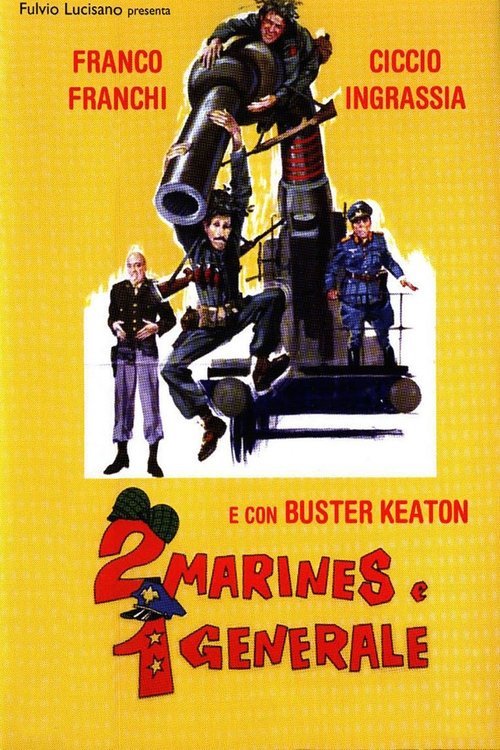
War Italian Style
1965
No user ratings available yet
Representation score: 2.1 out of 10
Representation Score
Limited
1967
Director
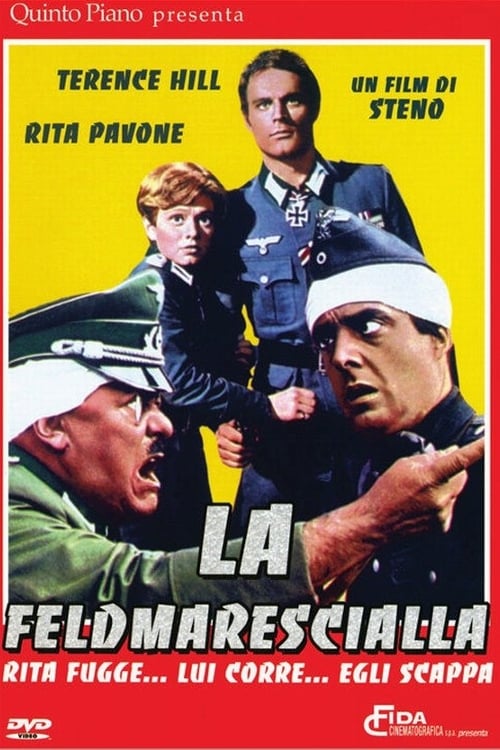
Steno
Runtime
104 minutes
Average Rating
No ratings yetNew Showbiz Analysis
Rita the Field Marshal is a genre-driven wartime comedy that finds its most progressive elements through gender dynamics. By centering a working-class woman in a high-stakes political conflict, the film challenges the usual male-centric heroism of wartime narratives. However, the film remains limited by the demographic and social norms of 1960s European cinema. It lacks modern diversity and adheres to the homogeneous casting typical of its time. Ultimately, while the film lacks diversity in terms of race and LGBTQ+ representation, its subversion of traditional domestic gender roles provides a notable layer of influence for its female lead.
Category Breakdown
The film follows the traditional social structures of 1967. There is no indication of non-straight relationships or critiques of the assumption that everyone is straight.
A female waitress serves as the main character with significant influence. She actively drives the plot by navigating dangerous political situations, challenging the idea of women being confined to domestic roles.
The production mirrors the homogeneous demographics of mid-century Europe. There is no evidence of diverse casting or intentional subversion of Eurocentric norms.
The story critiques authoritarianism by depicting the Nazi regime as a systemic threat. However, it functions as a traditional wartime adventure without explicit secular or anti-capitalist themes.
There is no visible evidence regarding the portrayal of physically or neurologically diverse characters in this work.
Present on Screen
Limited or Absent
Official Synopsis
A waitress helps a scientist flee the Nazis.
1965
1942
1962
1966
1965
1956
1960
1983
No reviews yet. Be the first to share your thoughts on this movie!
Use the rating form above to leave a star rating and optional review.