A Midsummer Night's Dream
1996
No user ratings available yet
Representation score: 8.1 out of 10
Representation Score
Good
1968
Director
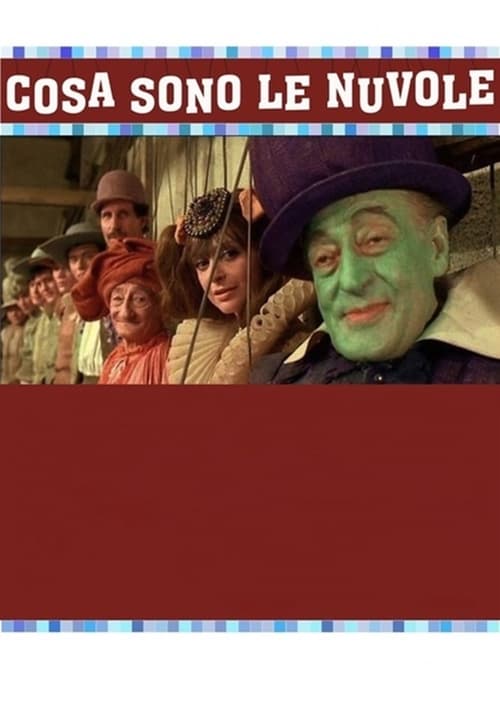
Pier Paolo Pasolini
Runtime
20 minutes
Average Rating
No ratings yetNew Showbiz Analysis
Pasolini’s short film serves as a poetic reflection on the human condition, using a fragmented structure to explore both sacred and secular aspects of life. It eschews traditional narrative arcs in favor of elemental, observational sequences. Though the film does not focus explicitly on specific identity representations, it achieves progressive value through its structural critique of Western modernity. By rejecting capitalist progress and embracing fluid morality, the film offers a sophisticated worldview. Ultimately, the film's strength lies in its ability to challenge conventional notions of civilization, presenting a vision of humanity free from traditional institutional constraints.
Category Breakdown
The film does not explicitly include LGBTQ+ identities or non-binary gender narratives. Instead, it explores the transient nature of life and the connection between humans and the natural world.
Men, women, and children are shown in natural settings without rigid gender roles or traditional family structures. The film avoids typical gender stereotypes and patriarchal themes.
By focusing on a pre-industrial human condition, the film presents a universal human experience rather than a multi-ethnic, multi-layered perspective.
The film critiques modern institutions and consumerism while celebrating a simpler, pre-industrial lifestyle. It employs a non-judgmental, morally relative viewpoint.
Characters with disabilities are not used as plot devices. The observational style treats all subjects equally, with a poetic approach.
Present on Screen
Limited or Absent
Official Synopsis
Some puppets come to life in a theater with no windows. This time the puppets interpret William Shakespeare's Othello.
1996
1966
1959
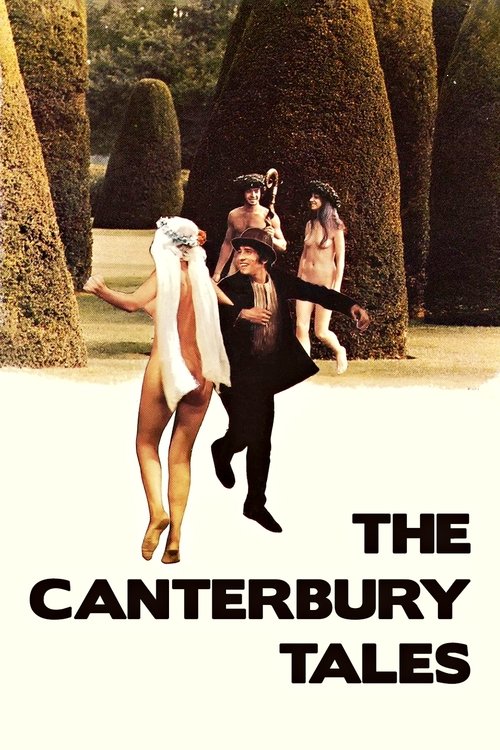
1972

2011
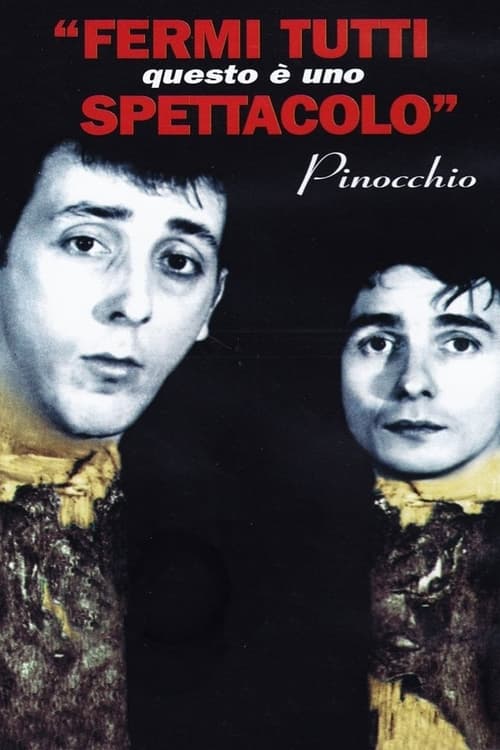
1998
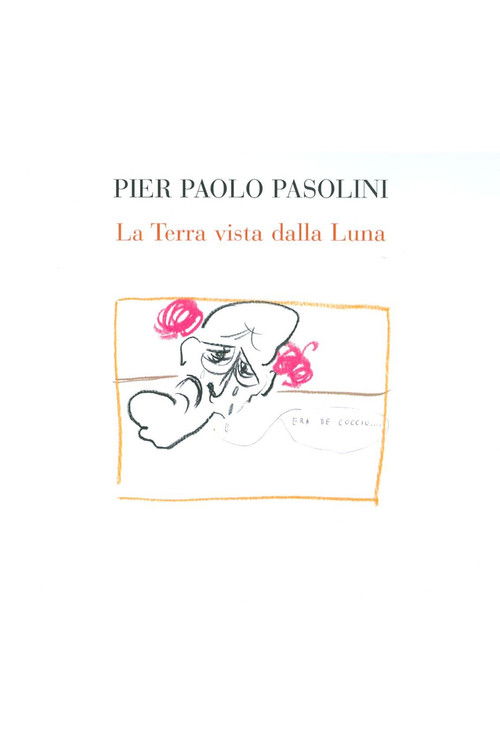
1967
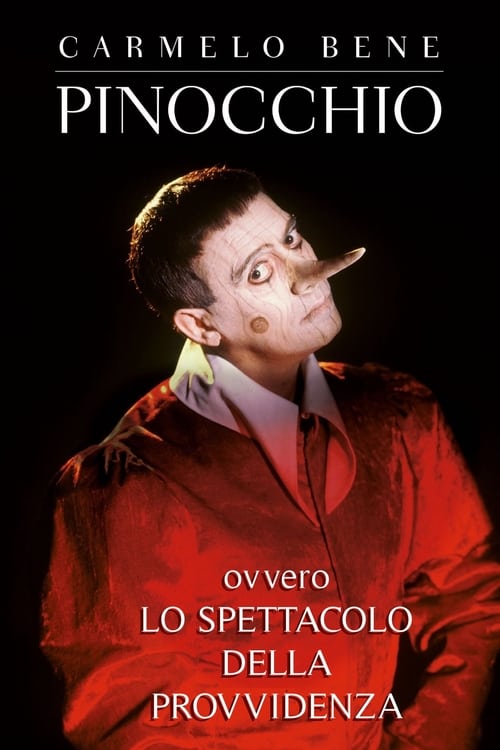
1999
No reviews yet. Be the first to share your thoughts on this movie!
Use the rating form above to leave a star rating and optional review.