Pinocchio
2009
No user ratings available yet
Representation score: 4.7 out of 10
Representation Score
Good
1999
Director
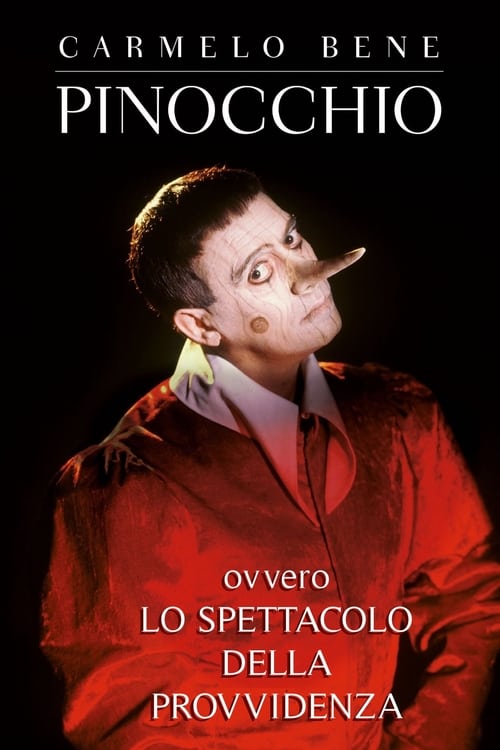
Carmelo Bene
Runtime
75 minutes
Average Rating
No ratings yetNew Showbiz Analysis
Carmelo Bene’s reinterpretation of the Pinocchio myth turns it into a critique of authority and tradition. The film stands out for its intellectual approach to challenging religious and patriarchal institutions. While it effectively subverts these structures, it focuses more on European avant-garde traditions, resulting in a less diverse racial representation. The film prioritizes symbolic archetypes over demographic diversity, highlighting systemic issues rather than individual characters with disabilities.
Category Breakdown
The film uses gender fluidity and camp aesthetics to challenge assumptions about gender being fixed and biological. It presents identity as a performative construct rather than a static trait.
The story breaks down traditional male authority figures by showing them as hollow theatrical roles. This approach questions the established hierarchy of masculine leadership and control.
The setting and cast have a predominantly European look, influenced by the Italian avant-garde movement. Symbolic archetypes often take precedence over realistic ethnic representation.
The film critically examines religious doctrines and traditional morality by presenting them as theatrical illusions rather than absolute truths. It questions established spiritual beliefs and moral frameworks.
There is no evidence within the narrative to confirm the presence of characters with visible or invisible disabilities.
Present on Screen
Limited or Absent
2009
1995
1995
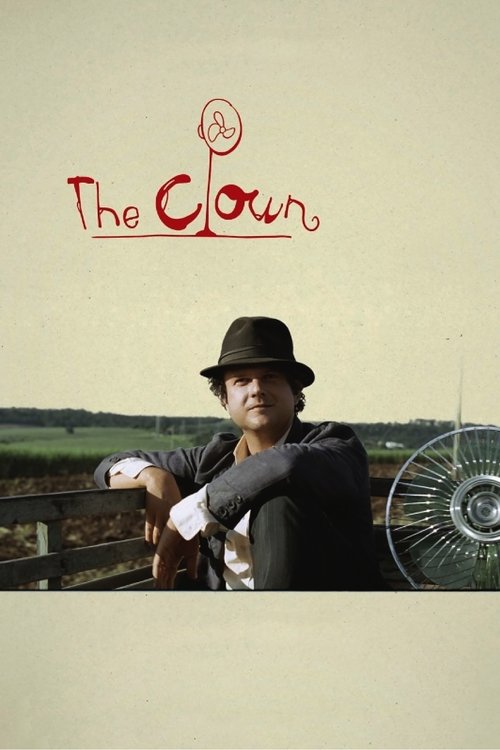
2011
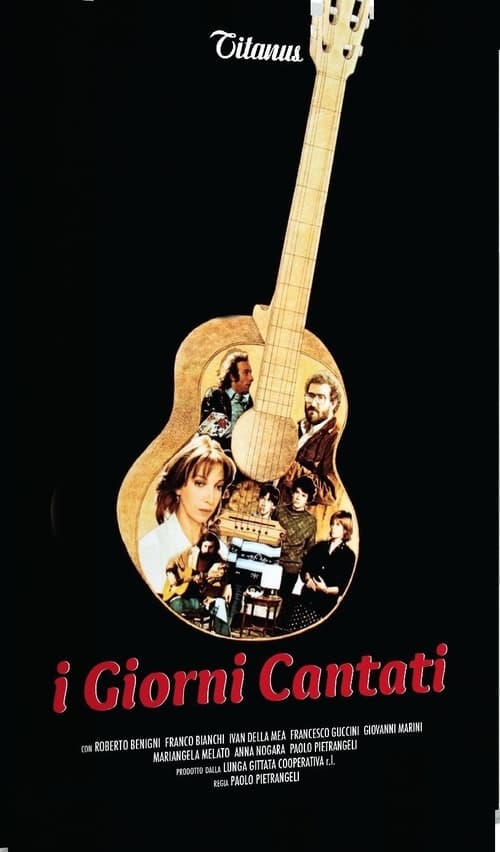
1979
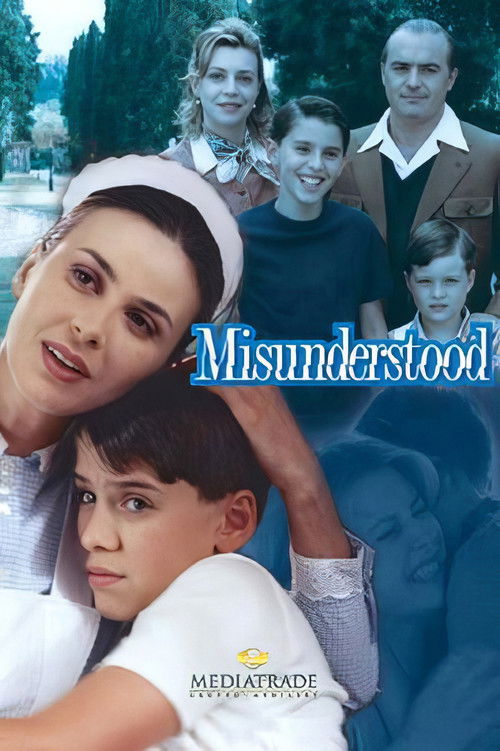
1998
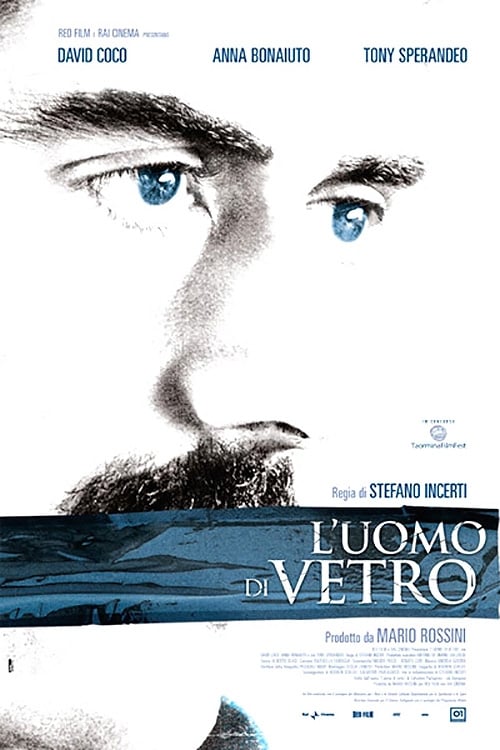
2007
1992
No reviews yet. Be the first to share your thoughts on this movie!
Use the rating form above to leave a star rating and optional review.