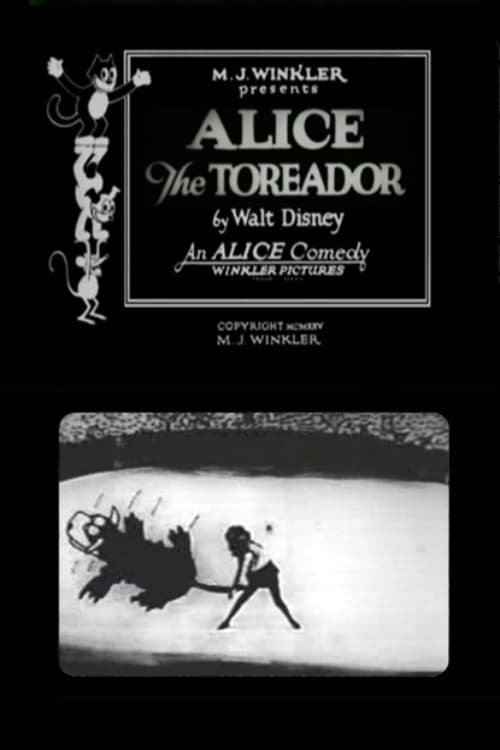
Alice the Toreador
1925
No user ratings available yet
Representation score: 1.2 out of 10

Representation Score
Limited
1929
NRDirector
Walt Disney
Runtime
6 minutes
Average Rating
No ratings yetNew Showbiz Analysis
El Terrible Toreador, set in the early sound era, emphasizes rhythmic slapstick and physical comedy over social complexity. The narrative leans on traditional romantic clichés and masculine archetypes to create its conflicts. While the film incorporates a Mexican setting, the cultural elements seem to serve as a decorative backdrop rather than a deep exploration of identity. The use of 'Carmen' suggests a romanticized, Westernized perspective on the setting rather than an authentic exploration of Mexican culture. Overall, the film operates as a celebratory musical short, reinforcing conventional gender and romantic structures typical of 1929 animation, without delving into multi-layered or systemic themes.
Category Breakdown
The film features a traditional romantic love triangle without any representation of queer identities or relationships.
The story revolves around masculine roles such as the toreador and officer. The central female character primarily serves to support the male leads emotionally.
The film sets itself in a Mexican context with characters reflecting ethnic specificity. However, the representation seems to serve as a decorative backdrop for slapstick humor rather than a deeper exploration of identity.
The use of Bizet's 'Carmen' adds a romanticized operatic aesthetic to the Mexican setting. This serves as rhythmic entertainment rather than a critical look at systemic issues.
The film does not depict any physical or neurodivergent disabilities.
Present on Screen
Limited or Absent
Official Synopsis
A barmaid, a Mexican officer and a terrible toreador form a love triangle, as they dance, skip, kiss, punch and slap to the tune of Bizet's "Carmen." Later, the barmaid cheers her lover, and the officer razzes him, during the big bullfight. The toreador and the bull are not above clowning, but never doubt they are two fearsome opponents striving toward a gruesome climax.
1925
1942
1935
1953
1922

1928

1926
1929
No reviews yet. Be the first to share your thoughts on this movie!
Use the rating form above to leave a star rating and optional review.