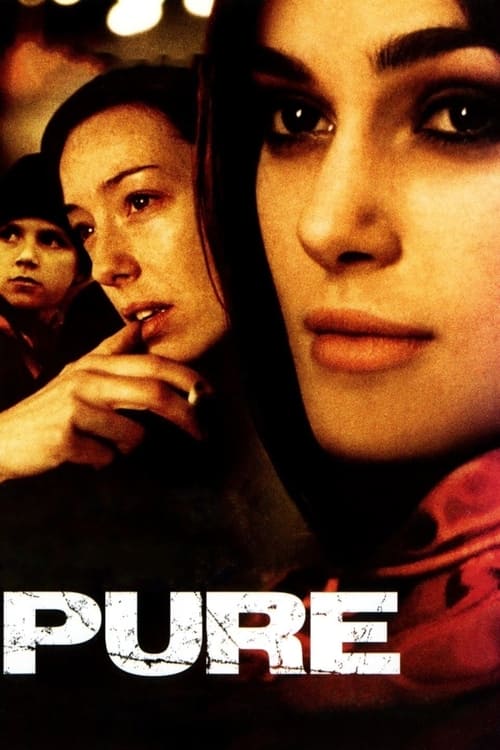
Pure
2002
No user ratings available yet
Representation score: 7.7 out of 10

Representation Score
Good
1998
Director
Francesca Archibugi
Runtime
105 minutes
Average Rating
No ratings yetNew Showbiz Analysis
Francesca Archibugi’s drama dismantles the traditional nuclear family, offering a raw portrayal of domestic instability and systemic failure. The film excels in depicting characters on the margins of social norms without relying on exploitative clichés. However, the film’s narrow demographic focus limits its scope. The absence of racial diversity and explicit LGBTQ+ representation confines the narrative to a specific, homogeneous social context. Ultimately, the work provides a nuanced examination of vulnerability, trading conventional social hierarchies for a character-driven exploration of how children cope with adult addiction and institutional indifference.
Category Breakdown
The film centers on a domestic crisis involving an adolescent and his family, without explicitly depicting non-straight relationships or same-sex intimacy.
It challenges traditional gender roles by highlighting female survival instincts and emotional labor, while questioning masculine authority.
The movie reflects a relatively uniform Italian society, with no notable racial diversity or actors of different backgrounds in the main cast.
The story critiques traditional institutions and the idealized nuclear family by using a medical bureaucracy journey to show systemic coldness and domestic instability.
Themes of neurodivergence and mental health are explored through Siddharta’s unusual maturity. The film also highlights a child's proactive response to illness.
Present on Screen
Limited or Absent
Official Synopsis
14-year-old Siddharta, wise beyond his age, has to deal every day with his heroin-addict mother Silvia and an absent father. One day, his four-year-old sister Domitilla accidentally pricks her finger on one of Silvia's used needles without her noticing. Seeking advice on the Internet, Siddharta is told to have her tested for hepatitis and AIDS. Thus he embarks on a odyssey of medical bureaucracy and both kind and uncaring adults.
2002

1979

2020
1994

1993

2011

2005
1995
No reviews yet. Be the first to share your thoughts on this movie!
Use the rating form above to leave a star rating and optional review.