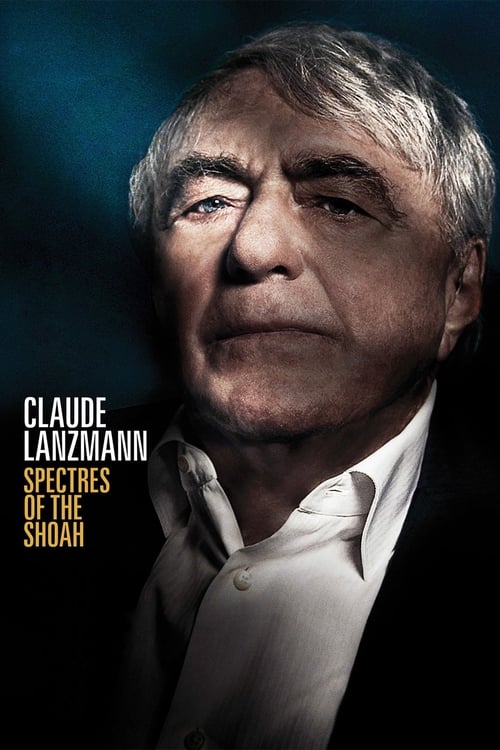
Claude Lanzmann: Spectres of the Shoah
2015
No user ratings available yet
Representation score: 7.7 out of 10
Representation Score
Excellent
2016
Director
Ferne Pearlstein
Runtime
89 minutes
Average Rating
No ratings yetNew Showbiz Analysis
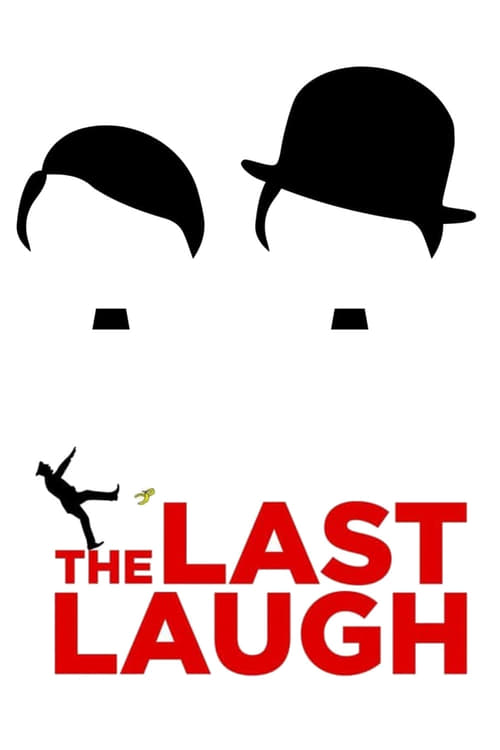
The Last Laugh is a sophisticated sociological exploration that uses comedy to examine systemic power dynamics. It goes beyond simple representation to analyze how humor can either liberate or reinforce social hierarchies. The film is particularly strong in its feminist critique, deconstructing the patriarchal 'boys' club' of the Western comedic tradition. It successfully centers the experiences of women and underrepresented identities to challenge industry norms. While the film offers a nuanced look at the overlapping aspects of identity, it lacks a central focus on neurodivergence or physical disabilities. However, its examination of cultural boundaries and free speech remains deeply impactful.
Category Breakdown
The film includes LGBTQ+ comedians who discuss identity and expression. Their voices help challenge the assumption that everyone is straight or cisgender within the comedy industry.
The documentary highlights the creative roles of female comedians who challenge the male-dominated structure of the comedic industry. It emphasizes their significant influence and actions in driving the story.
Women of color are prominently featured in the contemporary comedy scene. They show strong ability to act while navigating a traditionally homogeneous industry.
The film explores Western institutions and the ethical considerations of humor regarding historical tragedies such as the Holocaust. It challenges traditional social norms and cultural hierarchies.
The narrative primarily focuses on gender and race rather than disability. Personal struggles are mentioned, but neurodivergence and physical disabilities are not central to the discussion.
Present on Screen
Limited or Absent
Official Synopsis
Feature documentary about humor and the Holocaust, examining whether it is ever acceptable to use humor in connection with a tragedy of that scale, and the implications for other seemingly off-limits topics in a society that prizes free speech.
2015
1998
2013
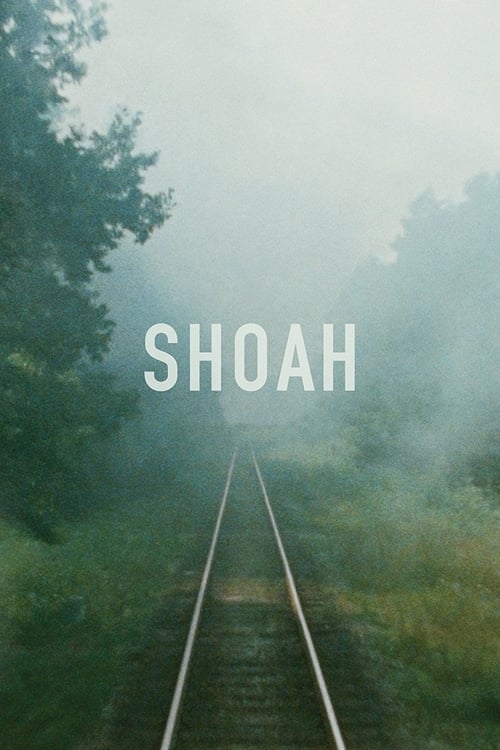
1985
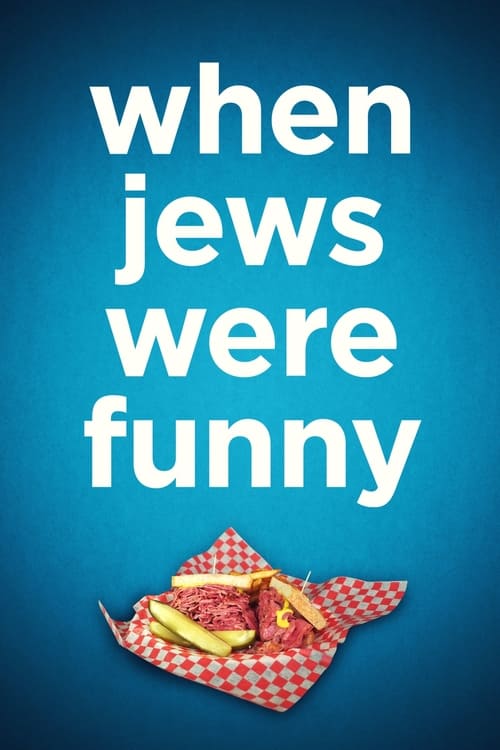
2013
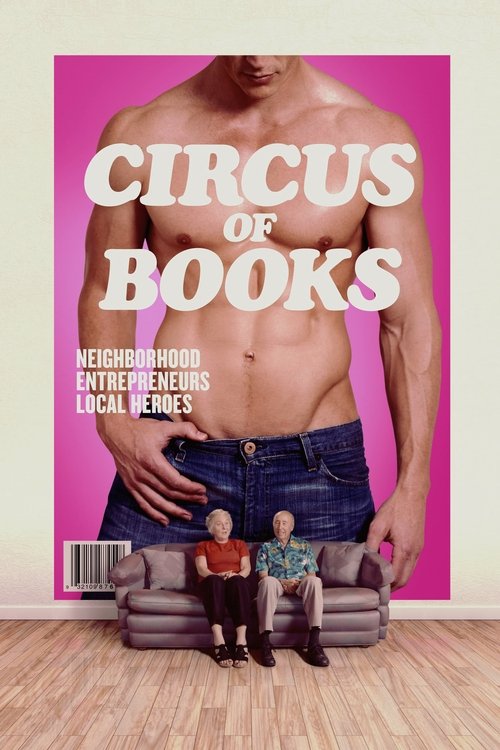
2019
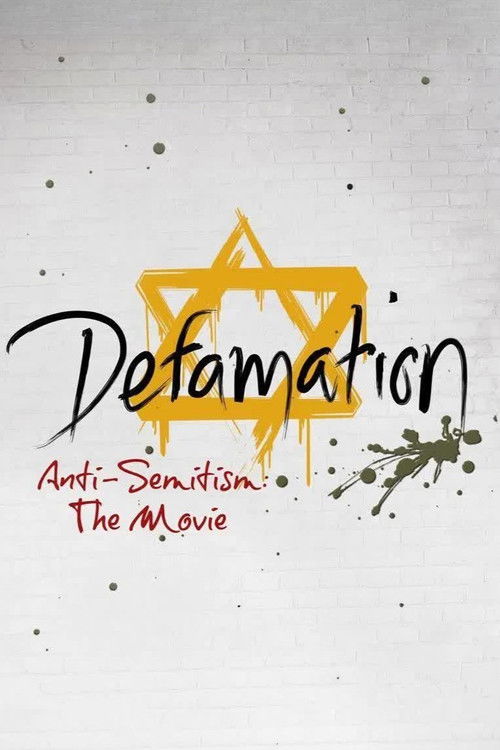
2009

2012
No reviews yet. Be the first to share your thoughts on this movie!
Use the rating form above to leave a star rating and optional review.