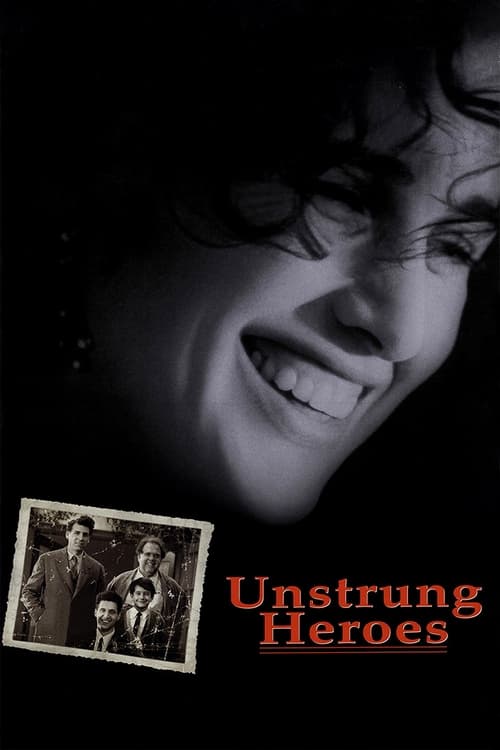
Unstrung Heroes
1995
No user ratings available yet
Diversity score: 4.8 out of 10
1996
PGDirector
Charles Matthau
Runtime
107 minutes
Average Rating
No ratings yetSynopsis
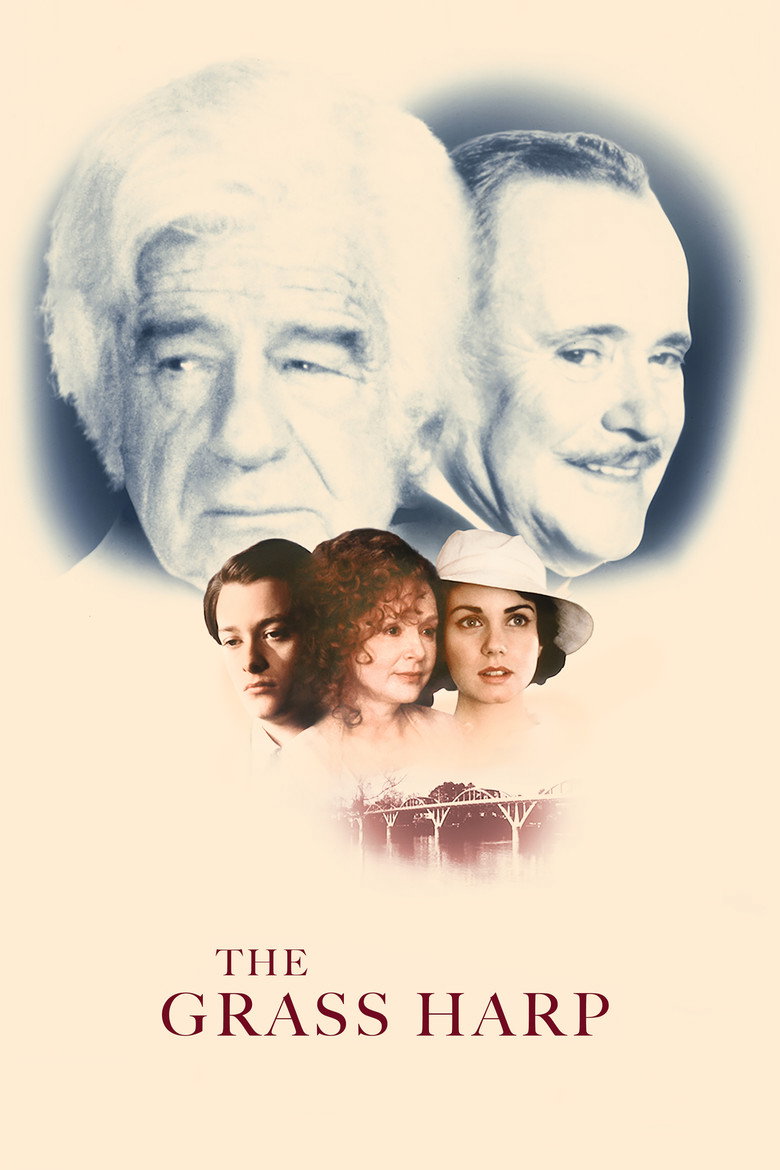
Based on the novel by Truman Capote, this often-witty coming-of-age drama looks at a young man growing up with an unusual family in the Deep South in the 1940s. Becoming an orphan in 1935, Collin moves to his dad's cousins Verena and Dolly. Verena is a rich, bossy businesswoman. Dolly, Collin and the maid revolt, moving to a tree house.
Overall Score
Fair
Category Breakdown
LGBTQ+ Representation
The film lacks LGBTQ+ characters or depictions of non-heteronormative identities. The 1930s Deep South setting focuses entirely on traditional familial structures.
Gender Representation
Female agency drives the plot through the matriarchal authority of the grandmother and the nurturing spirit of the mother. This subverts traditional male-led domestic tropes.
Racial & Ethnic Diversity
The cast is predominantly white, reflecting the historical homogeneity of the rural 1930s South. While a maid is present, there is no diverse ethnic ensemble.
Religious & Cultural Diversity
The story critiques religious fundamentalism by pitting rigid Christian morality against individualistic escapism. It prioritizes nature and subjective experience over strict institutional doctrine.
Disability Representation
Themes of neurodivergence appear through the eccentric characterizations of the female leads. However, these traits serve as narrative devices rather than platforms for character agency.
Strengths
Areas for Improvement
AI Analysis
The Grass Harp is a character-driven study that finds its strength in subverting social and religious hierarchies. It centers on female agency and the tension between institutional rigidity and individual eccentricity. However, the film is limited by its historical setting, resulting in a lack of racial and LGBTQ+ diversity. The narrative remains tethered to the demographic homogeneity of the 1930s Deep South. Ultimately, the film succeeds as a critique of traditional authority, favoring the outsider's perspective over established social orders.
1995
2007
1934
2002
2017
1950
1960

2007
No reviews yet. Be the first to share your thoughts on this movie!
Use the rating form above to leave a star rating and optional review.