Red Hollywood
1996
No user ratings available yet
Representation score: 5.6 out of 10
Representation Score
Fair
1998
TV-PGDirector
Alexandra Isles
Runtime
54 minutes
Average Rating
No ratings yetNew Showbiz Analysis
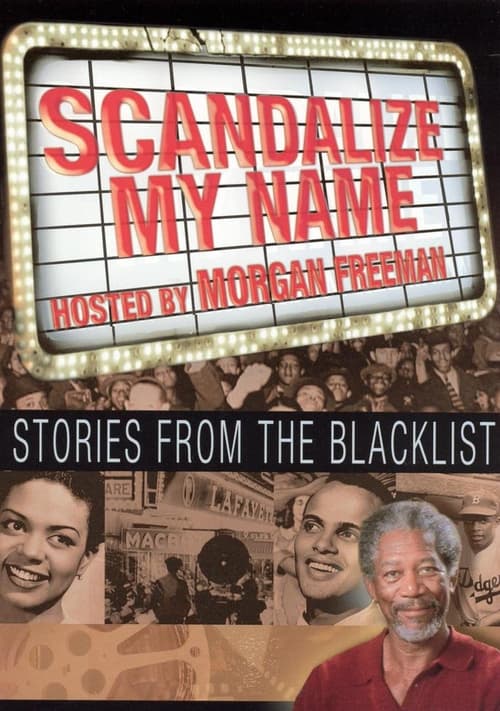
Scandalize My Name is a sophisticated historical examination that connects political ideology to racial oppression. It moves beyond simple inclusion by analyzing how dominant institutions used the Red Scare as a mechanism for racial control. The film provides actively leading visibility to Black performers and theatrical organizations. It expertly connects the Red Scare to the maintenance of Jim Crow laws. However, the documentary focuses heavily on male historical figures. While it includes female voices through interviews, the narrative structure lacks a central focus on gendered leadership or challenging gender hierarchies.
Category Breakdown
The film does not include explicit LGBTQ+ characters or narratives. Its main focus is on the intersection of race and anti-communism during the blacklist era.
The narrative centers on male historical figures such as Paul Robeson and Canada Lee. Women are included through interviews with era activists, but female leadership is not a primary focus.
The documentary centers on the experiences of Black performers and their ability to act. It highlights groups like the American Negro Theatre to show how anti-communism reinforced Jim Crow.
The film critiques Western political institutions, portraying them as tools of oppression. It uses a revisionist lens to challenge official 1950s narratives through the struggles of underrepresented groups.
There is no evidence that disability or neurodivergence serves as a central theme. The character studies do not focus on these specific lived experiences.
Present on Screen
Limited or Absent
Official Synopsis
A look at the confluence of the Red Scare, McCarthyism, and blacklists with the post-war activism by African Americans seeking more and better roles on radio, television, and stage. It begins in Harlem, measures the impact of Paul Robeson and the campaign to bring him down, looks at the role of HUAC, J. Edgar Hoover and of journalists such as Ed Sullivan, and ends with a tribute to Canada Lee. Throughout are interviews with men and women who were there, including Dick Campbell of the Rose McLendon Players and Fredrick O'Neal of the American Negro Theatre. In the 1940s and 1950s, anti-Communism was one more tool to maintain Jim Crow and to keep down African-Americans.
1996
2012
2007
1991
2022
2017
2011
2005
No reviews yet. Be the first to share your thoughts on this movie!
Use the rating form above to leave a star rating and optional review.