National Gallery
2014
No user ratings available yet
Representation score: 6.6 out of 10
Representation Score
Good
1990
TV-PGDirector
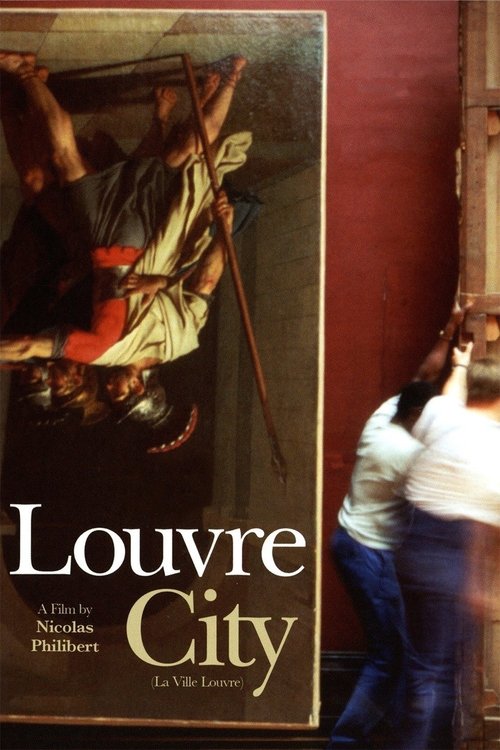
Nicolas Philibert
Runtime
84 minutes
Average Rating
No ratings yetNew Showbiz Analysis
Nicolas Philibert’s documentary shifts the focus from famous artworks to the unseen labor that sustains the Louvre. By highlighting the technical staff and their work, the film presents the museum as a dynamic site of continuous maintenance rather than a static monument. The film humanizes the workers behind the scenes, emphasizing their expertise and professionalism. However, it remains focused on the traditional European institution and does not engage with overt identity politics or proactive representation of diverse social identities.
Category Breakdown
The documentary does not focus on LGBTQ+ identities or include queer-coded narratives. It maintains a neutral stance regarding sexual orientation.
The film highlights the professional competence and specialized skills of the museum staff, avoiding gendered clichés by focusing on the expertise and authority of the workers.
The workforce shown in the film reflects the demographics of a major French institution in 1990, providing an unfiltered look at a traditional European institutional setting.
Philibert presents the museum as a place of labor rather than a symbol of national pride. This shifts the focus from the art itself to the ongoing maintenance of the institution.
The narrative emphasizes the sensory and physical precision needed for restoration work. It does not include neurodivergent or physically disabled individuals in central roles.
Present on Screen
Limited or Absent
Official Synopsis
A voyage into the museum's reserves, and part of the extra work involved to mount the expositions after the renovation of the Louvre in the 1980s, when the glass pyramid was added to the classic buildings. From the preservation rooms through the frame and painting retouches by experts, to the personnel instruction on how to be efficient in protecting the collections, and look nice to the visitors.
2014

2015
2014

2012

2016

1994

2013

2013
No reviews yet. Be the first to share your thoughts on this movie!
Use the rating form above to leave a star rating and optional review.