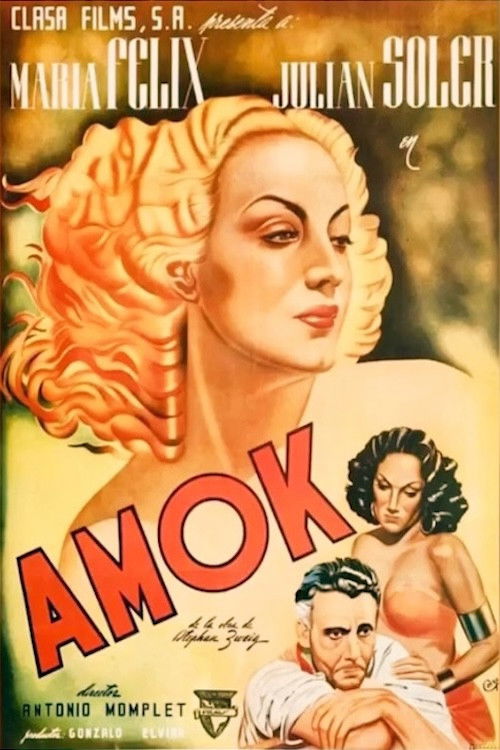
Amok
1944
No user ratings available yet
Representation score: 1.6 out of 10
Representation Score
Limited
1934
Director
Fyodor Otsep
Runtime
92 minutes
Average Rating
No ratings yetNew Showbiz Analysis
Amok is a product of its 1934 cinematic era, relying heavily on colonialist perspectives and traditional archetypes. The narrative prioritizes Western moral dilemmas, often using non-Western settings and characters as mere backdrops for European psychological struggles. The film relies on established clichés, such as the 'femme fatale' and the 'madness' of the tropics, to drive its plot. This approach lacks the complexity needed to move beyond the period's standard dramatic frameworks. Ultimately, the work reinforces existing social hierarchies and uses disability and cultural differences as tools for tension rather than nuanced character studies.
Category Breakdown
The film focuses on heterosexual relationships and marital issues. There are no characters with non-binary or LGBTQ+ identities, and the story does not question traditional gender roles.
Helene Haviland is portrayed as a 'femme fatale,' emphasizing her seductive beauty. While she plays a significant role in driving the story, her actions are shown as disruptive rather than challenging patriarchal norms.
The story centers around European characters set in a Dutch colonial environment. Non-Western characters, such as a Chinese healer, appear to serve as plot devices rather than well-developed individuals.
The narrative reinforces a traditional Western perspective on the colonial frontier. It focuses on individual morality and the perceived chaos of non-Western environments, rather than critiquing systemic issues.
Mental instability is used as a source of dramatic horror through the 'Amok' illness. The condition serves as a plot device to create tension rather than exploring neurodivergence.
Present on Screen
Limited or Absent
Official Synopsis
Dr. Holk leads an isolated and lonely existence in a small, Dutch colony in the tropics. Having fled from love and civilization, his only companions now are alcohol and his work, which takes him to villages ravaged by dirt, fever and a strange illness which turns innocent people into madmen: Amok. One day, he is called on by Helene Haviland, who asks him to abort her lover's child before her husband returns from abroad. Even though Holk is enchanted by her seductive beauty, he haughtily refuses her request. Rejected, the woman turns to a Chinese practitioner. When Holk tracks her down in a dirty dive, it's already too late for the two of them.
1944

1926

1949

1948
1953
1984
2002

1977
No reviews yet. Be the first to share your thoughts on this movie!
Use the rating form above to leave a star rating and optional review.