Infectious
2009
No user ratings available yet
Representation score: 6.3 out of 10
Representation Score
Fair
2002
Director
Aleksei Balabanov
Runtime
50 minutes
Average Rating
No ratings yetNew Showbiz Analysis
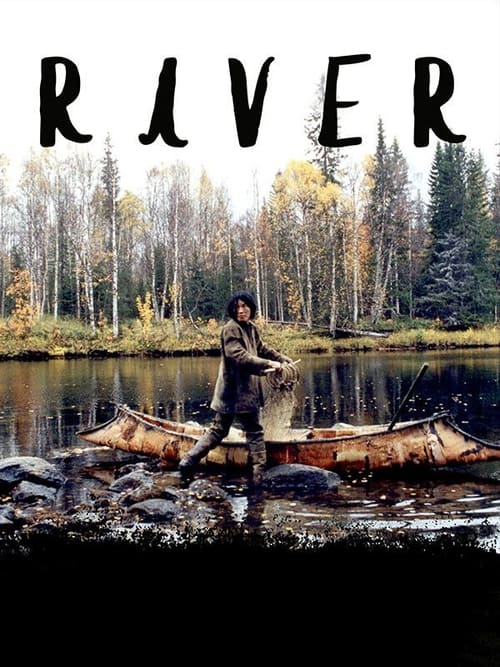
River is a bleak, nihilistic study of isolation set in a remote leper colony. It succeeds by making disability the central driver of character's ability to drive the story rather than a mere cliché. The film avoids 'inspiration porn,' opting for a grim, realistic portrayal of life under biological constraints. However, the film's scope is narrow regarding identity. It lacks LGBTQ+ representation and fails to engage deeply with diverse racial or ethnic identities, despite its remote setting. The social framework remains largely patriarchal and driven by male-centric conflict. Ultimately, the film is a powerful critique of traditional morality and social stability. It uses its extreme environment to explore how survival necessitates the abandonment of conventional ethics.
Category Breakdown
The film does not include explicit LGBTQ+ identities or stories focused on non-cisgender expressions. The main conflict revolves around a traditional, tragic love triangle.
The female protagonist plays a significant role in driving the story through her pregnancy and choices, but the social structure remains heavily patriarchal. Women are often shown as vulnerable to external circumstances.
The Yakut taiga setting provides geographic isolation, but the plot focuses on interpersonal dynamics. Characters' 'otherness' comes from their medical status rather than ethnic diversity.
The narrative critiques normative social institutions by centering on a underrepresented leper colony. It explores moral relativism and the instability of established social orders.
Leprosy is the central element of the character arcs, treated as an inescapable reality. The film avoids romanticizing the condition, focusing instead on human resilience.
Present on Screen
Limited or Absent
Official Synopsis
The end of the 19th century. A tiny colony of lepers in the isolated Yakut taiga. A healthy girl, brought there by chance, falls in love with one of the young male lepers. Soon she is bearing his child. His wife suddenly arrives from the outside world and tragedy ensues within this strange love triangle.
2009

1989
2008
2009

1999

2006
2016

1953
No reviews yet. Be the first to share your thoughts on this movie!
Use the rating form above to leave a star rating and optional review.