
My Best Friend Anne Frank
2021
No user ratings available yet
Representation score: 8.4 out of 10
Representation Score
Excellent
2022
Director
Matti Geschonneck
Runtime
107 minutes
Average Rating
No ratings yetNew Showbiz Analysis
The film uses a dark, satirical lens to deconstruct the banality of evil by transposing historical trauma into a modern corporate microcosm. It succeeds in critiquing Western institutional structures and disrupting traditional gendered authority figures within high-stakes environments. However, the film lacks depth in specific identity representations. While it avoids a monolithic white norm, it does not center non-white majorities or provide explicit LGBTQ+ narratives. Disability representation is also notably absent from the narrative drive. Ultimately, the work's strength lies in its analytical deconstruction of power and systemic dehumanization rather than its breadth of diverse character archetypes.
Category Breakdown
The film presents a professional environment where personal identity is overshadowed by corporate personas. It avoids focusing solely on straight relationships but lacks central LGBTQ+ narratives.
The film challenges traditional gender hierarchies by highlighting conflicts within leadership roles. It portrays professional competence in ways that defy traditional masculine authority and avoids submissive feminine stereotypes.
Casting reflects a multicultural European professional environment rather than a homogeneous white norm. This diversity highlights how institutional power mechanisms can transcend specific ethnic boundaries.
The film excels in its sharp critique of Western institutional structures and capitalist culture. It portrays traditional professional decorum as a performative mask for unethical or antisocial behavior.
There is no significant evidence of characters with visible or invisible disabilities driving the narrative. The focus remains on psychological and systemic aspects of corporate interactions.
Present on Screen
Limited or Absent
Official Synopsis
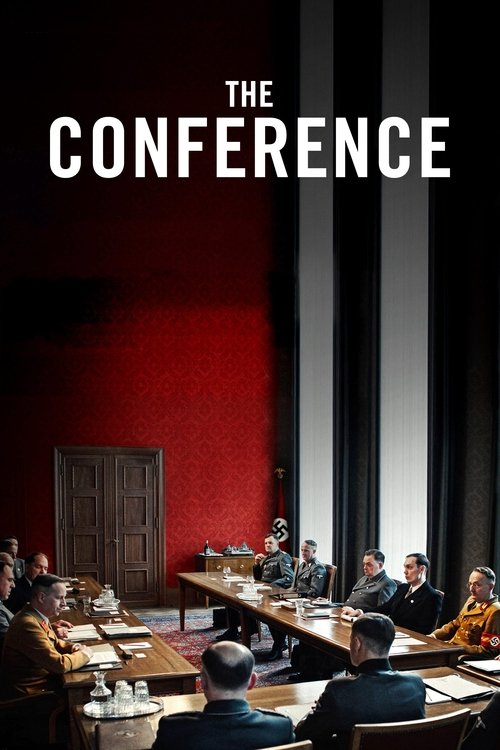
On January 20, 1942, the Wannsee Conference takes place in Berlin, a meeting that had only one item on the agenda: The Final Solution, the organization of the systematic mass murder of eleven million European Jews.
2021

2001
2011
2015
2018

2008
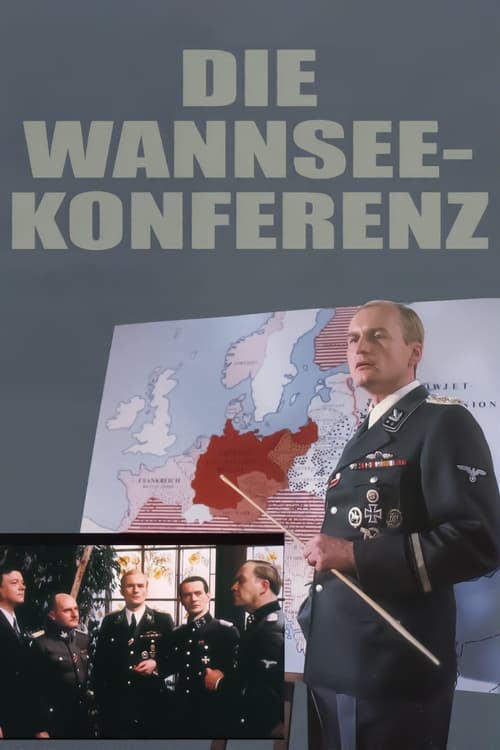
1984
2014
No reviews yet. Be the first to share your thoughts on this movie!
Use the rating form above to leave a star rating and optional review.