The Conference
2022
No user ratings available yet
Representation score: 8.3 out of 10
Representation Score
Fair
2011
Director
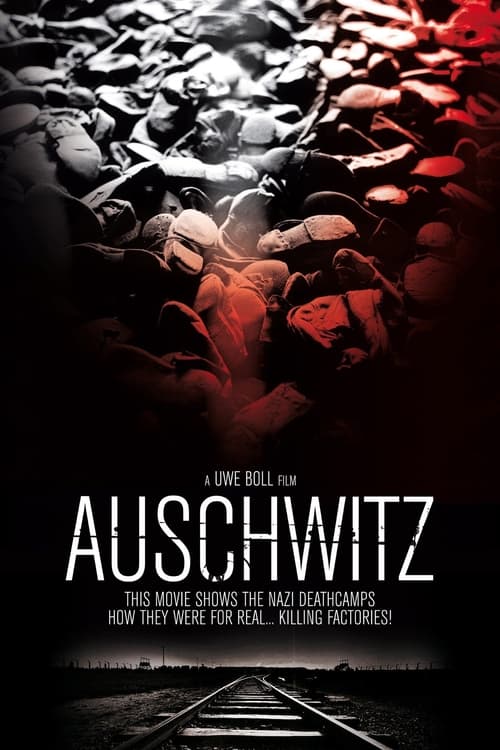
Uwe Boll
Runtime
72 minutes
Average Rating
No ratings yetNew Showbiz Analysis
Uwe Boll’s film prioritizes a visceral, documentary-style examination of systemic atrocity over modern multi-layered character development. The narrative is driven by the historical necessity of depicting the Holocaust's victims. While the film accurately represents Jewish individuals and other underrepresented groups targeted by the Nazi regime, it lacks depth in other identity-based categories. Representation is largely defined by the characters' status as victims of state-sponsored genocide. Ultimately, the film functions as a critique of oppressive state power rather than a vehicle for nuanced, identity-driven storytelling.
Category Breakdown
The film focuses on the historical reality of the Holocaust and prisoner survival. It does not include any LGBTQ+ characters or narratives addressing queer experiences within the camp setting.
Women are shown as subjects of a dehumanizing regime and systemic oppression. They lack significant plot ability to act independent of the overarching struggle for survival.
The narrative centers on Jewish individuals and other underrepresented groups targeted by the Nazi regime. This aligns with historical reality, providing representation for those historically erased.
The film critiques extreme nationalism and corrupt state authority. Jewish religious identity is central to the characters' existence as they face institutionalized oppression.
Physical and psychological trauma is depicted as a testament to the setting's brutality. There is no nuanced exploration of disability identity or neurodivergent ability to act.
Present on Screen
Limited or Absent
Official Synopsis
Auschwitz is a hard-hitting war film which shows life as it really was at the death camp.
2022

2021
2008
2001
2014
1987

2015
1998
No reviews yet. Be the first to share your thoughts on this movie!
Use the rating form above to leave a star rating and optional review.