
The Hills of Disorder
2006
No user ratings available yet
Representation score: 6.1 out of 10
Representation Score
Good
2018
Director
Mariana Oliva, Renata Terra, Bruno Jorge
Runtime
82 minutes
Average Rating
No ratings yetNew Showbiz Analysis
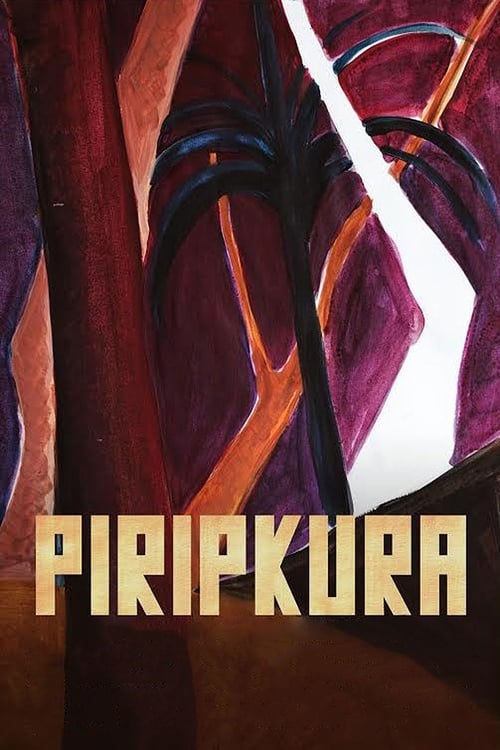
Piripkura is a powerful piece of ethnographic cinema that centers the lived reality of a nomadic tribe facing systemic erasure. It successfully challenges the dominance of industrial capitalism by framing environmental preservation as a fight for cultural sovereignty. The film's primary strength lies in its high level of racial and ethnic ability to act. Instead of portraying the Piripkura as passive subjects, the narrative positions them as active participants in their own struggle for survival. However, the film lacks specific visibility regarding LGBTQ+ identities and gendered ability to act. While it critiques Western structures, it does not provide explicit detail on internal tribal gender or queer dynamics.
Category Breakdown
The film focuses on the survival of the Piripkura people against deforestation. There is no explicit depiction of LGBTQ+ identities or non-conforming gender roles.
The narrative centers on the survival of Pakyî and Tamandua. While gender dynamics are not detailed, the focus on indigenous survival often disrupts traditional Western patriarchal structures.
The film achieves exceptional representation by centering a historically underrepresented indigenous population. It frames the Piripkura as active agents fighting for sovereignty against industrial encroachment.
The film presents a profound critique of Western expansionism and capitalist-driven deforestation. It prioritizes an indigenous worldview that stands in direct opposition to modern industrial progress.
There is no discernible information regarding the portrayal of physical or neurodivergent disabilities within the available narrative.
Present on Screen
Limited or Absent
Official Synopsis
The last two surviving members of the Piripkura people, a nomadic tribe in the Mato Grosso region of Brazil, struggle to maintain their indigenous way of life amidst the region's massive deforestation. Living deep in the rainforest, Pakyî and Tamandua live off the land relying on a machete, an ax, and a torch lit in 1998.
2006
2019

2022
2010
2018

2004

2021

1989
No reviews yet. Be the first to share your thoughts on this movie!
Use the rating form above to leave a star rating and optional review.