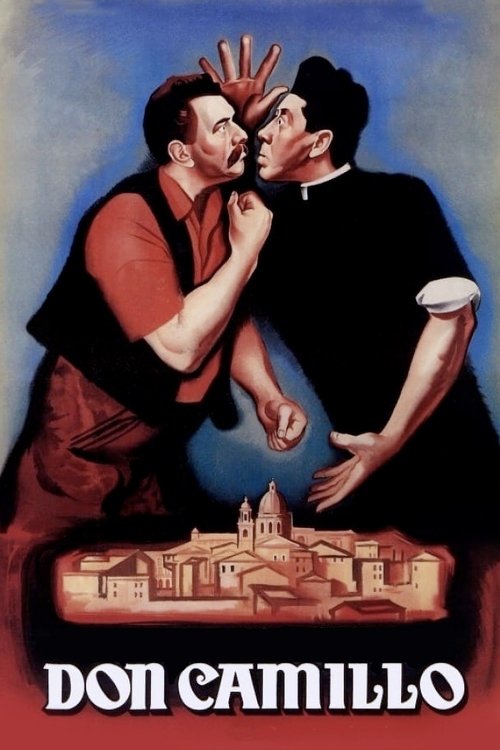
The Little World of Don Camillo
1952
No user ratings available yet
Representation score: 1.6 out of 10
Representation Score
Limited
1966
Director
Bent Christensen
Runtime
93 minutes
Average Rating
No ratings yetNew Showbiz Analysis
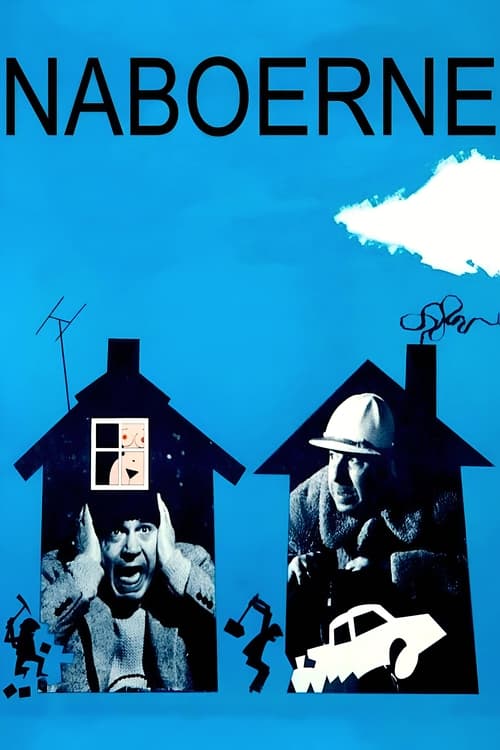
Neighbors is a satirical examination of social instability, using a local feud to explore the tensions between competing ideologies. The film excels in its cultural critique, using the conflict between a capitalist and a communist to deconstruct middle-class conformity and religious authority. However, the film lacks representation for several identity groups. It does not provide visibility for LGBTQ+ individuals or characters with disabilities, and the focus remains on a localized European social microcosm. Ultimately, the work prioritizes thematic depth over demographic breadth. While it fails to represent diverse identities, it succeeds in a sophisticated critique of systemic class and institutional stability.
Category Breakdown
The film does not include any LGBTQ+ characters or stories. It focuses on traditional domestic relationships.
The movie explores the psychological pressures within the home environment. It avoids idealized family structures, subtly challenging traditional gender roles through domestic instability.
The film centers on a small Danish community. It does not emphasize multi-layered racial themes, focusing instead on class and ideological differences.
The film offers a progressive look at social hierarchies. It examines the tension between capitalism, communism, and traditional religious authority.
There are no visible or invisible disabilities depicted in the film. Characters with disabilities are not used as part of the narrative.
Present on Screen
Limited or Absent
Official Synopsis
Taking place on a small villa road: The two neighbors Gormsen and Sandelund have been at a dispute for years and this evolves into an all out war. Sandelund is a wholesale dealer in meet, a capitalist and has one of this modem houses with a flat roof. Gormsen is a dentist, and a communist, he has a new wife that are younger then his son, and lives in one of these old-fashioned half-timbered houses. A third factor is the merchant Krause. To begin with he is a small time grocer and progresses into the end, a big time businessman. He is a deeply religious man, a good Christian, and member of the parochial church council. There children, (teenagers) find their conflict silly and stupid.
1952

1967

1998

1989
1973

1987

1963

1993
No reviews yet. Be the first to share your thoughts on this movie!
Use the rating form above to leave a star rating and optional review.