
Caipiranha - Vorsicht, bissiger Nachbar!
1998
No user ratings available yet
Representation score: 0.8 out of 10
Representation Score
Minimal
1973
Not RatedDirector
John Robins
Runtime
85 minutes
Average Rating
No ratings yetNew Showbiz Analysis
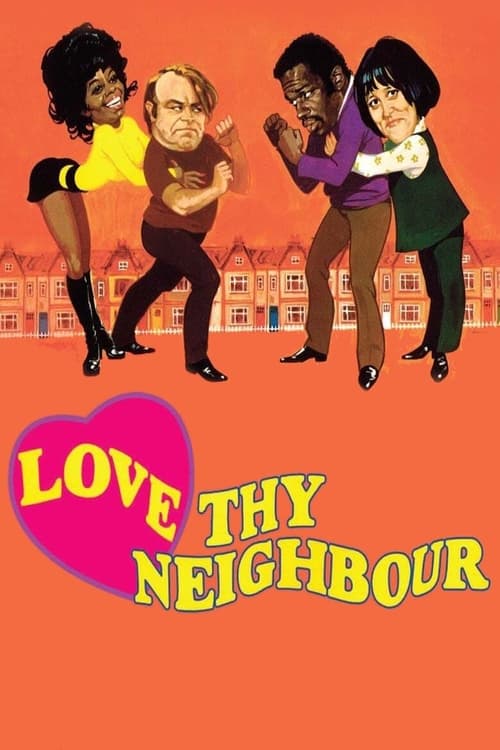
Love Thy Neighbour is a traditional domestic comedy that emphasizes established social hierarchies. The story revolves around a binary conflict between two men and their wives, reinforcing gendered and straight-centered clichés common to 1970s situational humor. The film lacks depth in representing diverse perspectives, focusing instead on trivial domestic issues. It serves as an observational piece on community relations that maintains the status quo of its era. Ultimately, the production offers minimal disruption to cultural norms, relying on conventional character archetypes that do not represent LGBTQ+ individuals, diverse ethnicities, or people with disabilities.
Category Breakdown
The story focuses solely on two heterosexual couples. There are no characters representing LGBTQ+ identities or non-straight relationships.
The plot adheres to traditional gender roles where men lead the conflict and women serve as social mediators. This reinforces conventional gender roles without challenging them.
The setting suggests a homogeneous society. The story lacks intentional diversity or characters of color who play significant roles.
The comedy highlights individual social conflicts and neighborly disputes. It upholds the social norms of the time without critiquing systemic institutions.
There are no characters with visible or invisible disabilities in the narrative.
Present on Screen
Limited or Absent
Official Synopsis
Two men who are nextdoor neighbors constantly battle it out over seemingly trivial offenses. Their wives, on the other hand, are best of friends. The two couples attempt to win a 'love-thy-neighbor' competition by lying...
1998

2020
1974

1989

1999
1993
2000
1968
No reviews yet. Be the first to share your thoughts on this movie!
Use the rating form above to leave a star rating and optional review.