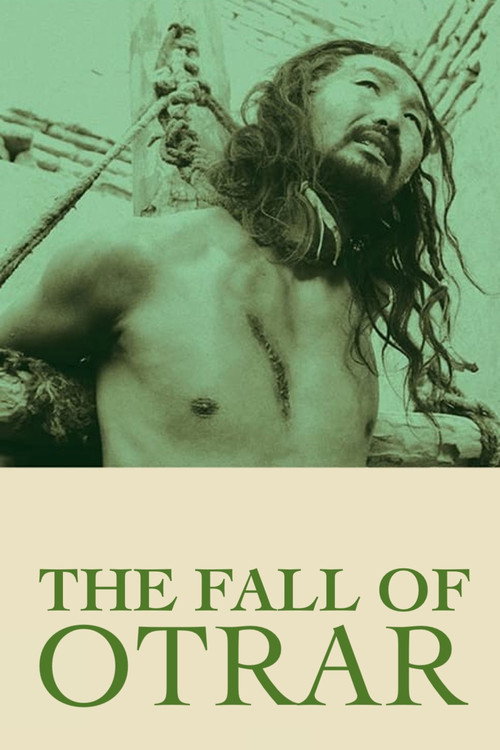
The Fall of Otrar
1991
No user ratings available yet
Representation score: 3.0 out of 10
Representation Score
Limited
1961
Not RatedDirector
Andrew Marton
Runtime
110 minutes
Average Rating
No ratings yetNew Showbiz Analysis
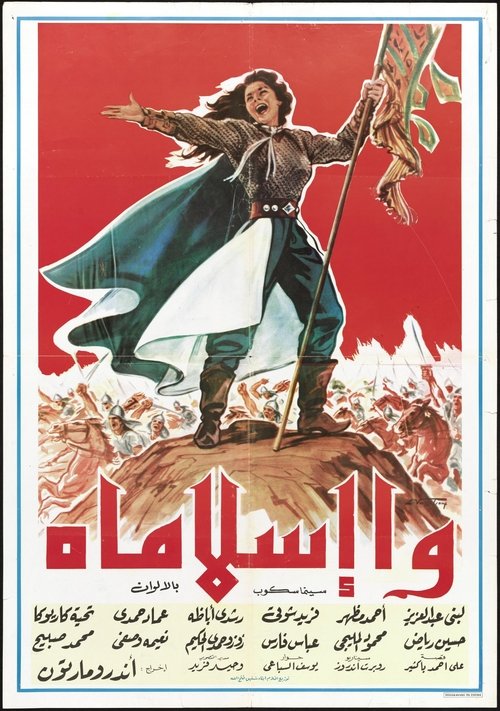
Oh Islam is a traditional historical epic that finds its most progressive element in its gender dynamics. The film stands out by centering a woman who rises to lead a resistance movement, breaking from the era's typical passive female roles. While the film offers a non-Western perspective by focusing on Middle Eastern historical figures, it remains anchored in traditional storytelling. It upholds established cultural and religious frameworks rather than challenging them. The production follows a classic hero's journey structure, emphasizing grand spectacle and historical conflict over social commentary.
Category Breakdown
The film does not include any representation of LGBTQ+ identities or non-straight relationships.
Lubna Aziz’s character challenges traditional gender roles by rising from a harem to a leadership position. This gives a underrepresented woman significant influence and control.
The story focuses on Middle Eastern conflicts involving Egypt, Persia, and Syria, providing a non-Western perspective uncommon for films made in the 1960s.
The narrative is deeply rooted in Islamic history and culture, using religion as a central pillar for the protagonist's motivations and the conflict.
There is no information available about the portrayal of physical disabilities or neurodivergence in the film.
Present on Screen
Limited or Absent
Official Synopsis
Set in the 14th century. Under their leader Timur, the Tartar hordes invade the Middle East and take over areas as widespread as Persia, Azerbaijan, Egypt, and Syria. A lowly woman from a harem (Lubna Aziz) rises to lead the Egyptians against the invaders.
1991
1961
1986
1966

1971
1944
1963

2017
No reviews yet. Be the first to share your thoughts on this movie!
Use the rating form above to leave a star rating and optional review.