
The Magnetic Man
2009
No user ratings available yet
Diversity score: 3.8 out of 10
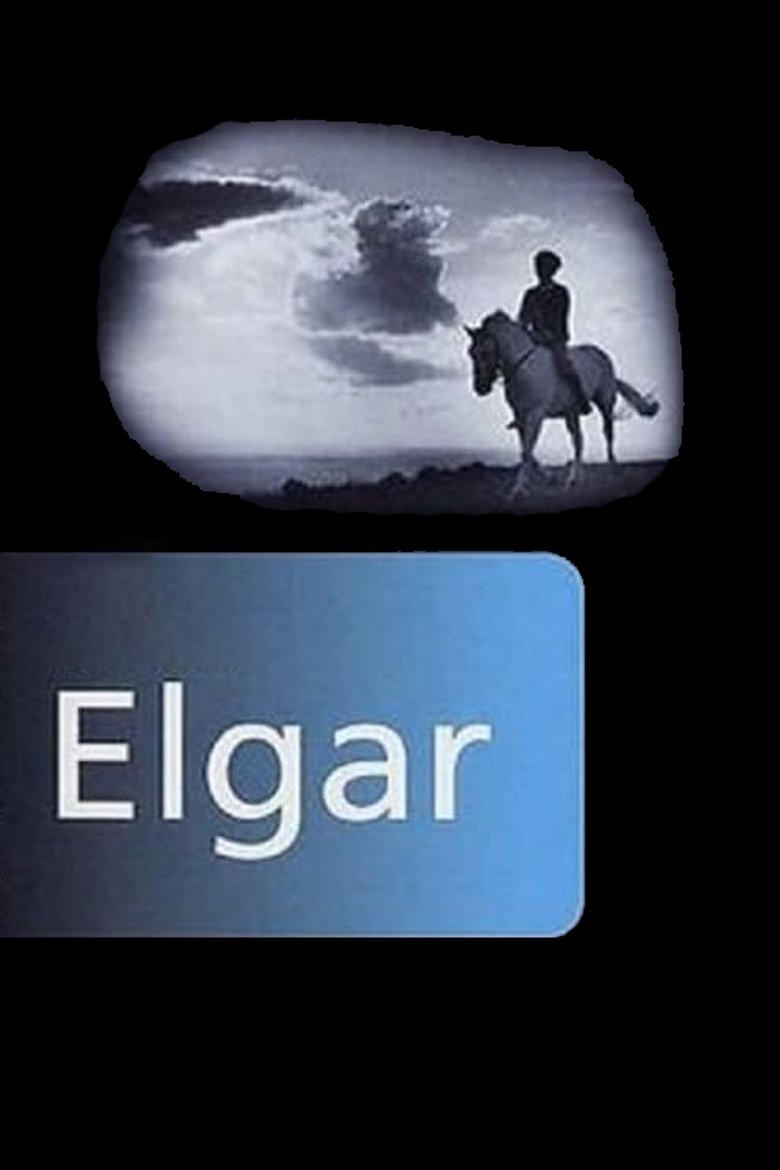
1962
Director
Ken Russell
Runtime
55 minutes
Average Rating
No ratings yetSynopsis
A partly dramatised account of the life of classical composer Sir Edward Elgar. An episode of the BBC arts series Monitor.
Overall Score
Fair
Category Breakdown
LGBTQ+ Representation
The film offers a sensitive portrayal that may touch upon the complexities of Elgar's private identity. While specific depictions of intimacy are unconfirmed, it avoids rigid, heteronormative biographical tropes.
Gender Representation
The narrative focuses heavily on masculine achievement and the life of a male composer. Female characters appear to serve primarily as supporting figures within a traditional biographical structure.
Racial & Ethnic Diversity
The production reflects the demographic homogeneity of 1962 and the British classical music establishment. There is no evidence of race-bent casting or a diverse cast.
Religious & Cultural Diversity
The story highlights socioeconomic mobility and the friction between talent and class hierarchies. However, it remains firmly rooted in the Western classical tradition.
Disability Representation
There is no information available regarding the portrayal of physical or neurodivergent disabilities in this work.
Strengths
Areas for Improvement
AI Analysis
Ken Russell’s direction suggests a psychologically driven portrait rather than a standard hagiography. The film prioritizes the tension between individual agency and socioeconomic constraints, focusing on the composer's rise from an underprivileged background. While the work lacks modern intersectional representation, it succeeds as a character study of class struggle. It avoids reductive tropes by exploring the friction between personal talent and established social structures. Ultimately, the film is a product of its era, reflecting the cultural milieu of the British musical establishment with limited racial or gender diversity.
2009

1974

2020
2007

2012

2009

2009
2015

2020

2007

1985

2021
No reviews yet. Be the first to share your thoughts on this movie!
Use the rating form above to leave a star rating and optional review.