Genius Within: The Inner Life of Glenn Gould
2009
No user ratings available yet
Representation score: 3.9 out of 10
Representation Score
Fair
2007
Not RatedDirector
Scott Hicks
Runtime
119 minutes
Average Rating
No ratings yetNew Showbiz Analysis
The documentary succeeds as a sophisticated biographical piece that bridges Western and Eastern musical philosophies. By featuring global figures like Ravi Shankar, it broadens the cultural scope of the classical music genre beyond a homogeneous Western portrayal. However, the film remains anchored in traditional hierarchies. Its narrative structure is centered on male-dominated creative spheres and established cultural institutions, lacking the depth needed for a more progressive score. Ultimately, the film is a celebration of individual artistic achievement operating within existing social and professional frameworks rather than deconstructing them.
Category Breakdown
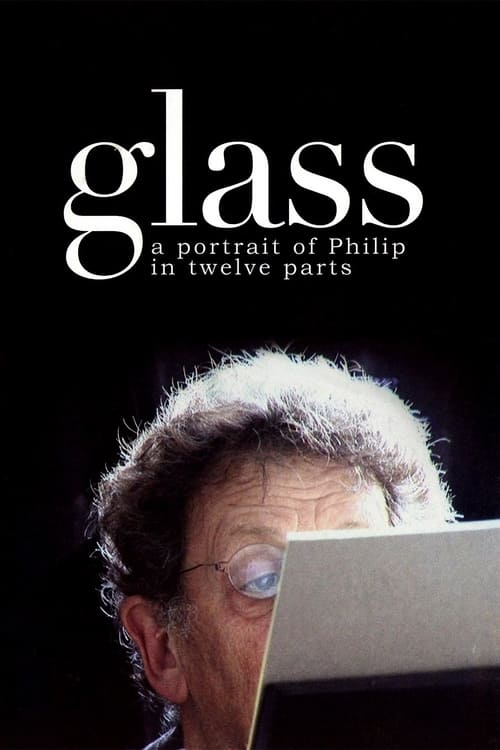
The film focuses on the life of Philip Glass, maintaining a neutral stance typical of documentaries from that era. It emphasizes his professional legacy rather than exploring his identity politics.
The narrative centers around a male figure within the Western classical tradition. Interactions with collaborators highlight a professional environment dominated by male creative spheres.
The documentary offers a nuanced, cross-cultural perspective. It includes figures like Ravi Shankar, helping the film move beyond purely Anglo-Saxon musical traditions.
The film operates within established high-art institutions. While it celebrates individual achievements, it does not challenge existing Western cultural structures.
There is no discernible depiction of subjects navigating physical, neurodivergent, or mental health disabilities.
Present on Screen
Limited or Absent
Official Synopsis
Scott Hicks documents an eventful year in the career and personal life of distinguished Western classical composer Philip Glass as he interacts with a number of friends and collaborators, who include Chuck Close, Ravi Shankar, and Martin Scorsese.
2009
2018
2006
2022

2008
2016
1985
2021
No reviews yet. Be the first to share your thoughts on this movie!
Use the rating form above to leave a star rating and optional review.