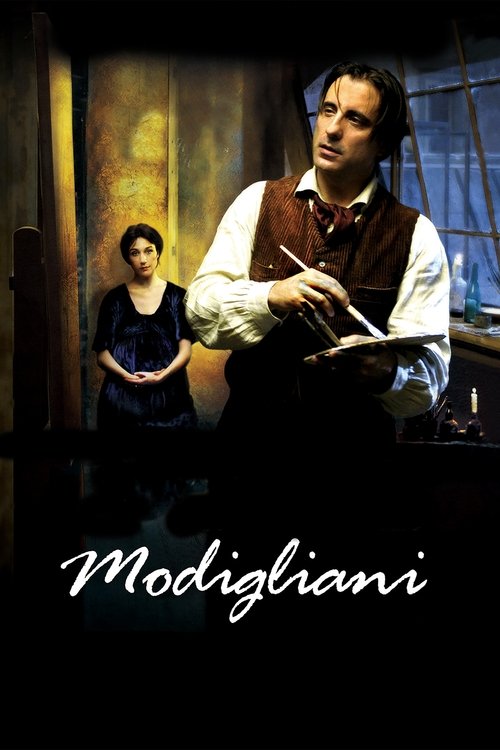
Modigliani
2004
No user ratings available yet
Representation score: 7.2 out of 10
Representation Score
Fair
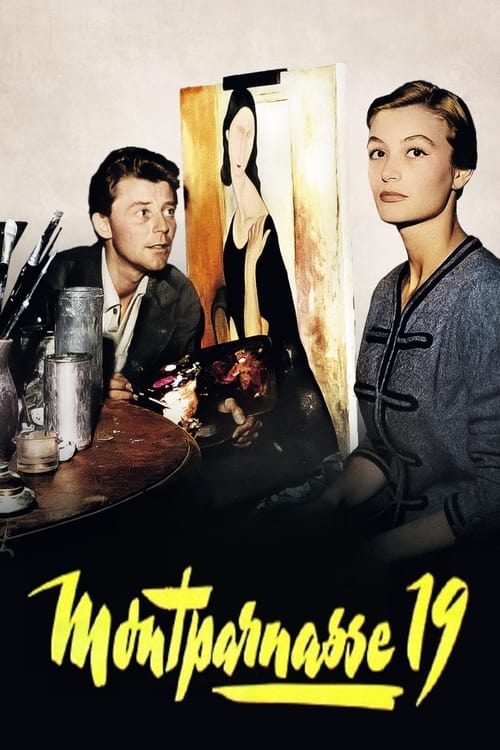
1958
Not RatedDirector
Jacques Becker
Runtime
108 minutes
Average Rating
No ratings yetNew Showbiz Analysis
Jacques Becker’s biographical drama prioritizes psychological realism and the texture of lived experience over demographic breadth. While the film is a product of its era's social constraints, it offers a nuanced look at individual ability to act within rigid class structures. The film's primary strength is its subversion of mid-century gender clichés. By framing the relationship as a mutual partnership of equals, it moves beyond the typical submissive female archetype found in period romances. However, the film remains limited by its historical context. The cast is largely homogeneous, and the narrative lacks representation of LGBTQ+ identities or visible disabilities, focusing instead on a specific, narrow artistic circle.
Category Breakdown
The film focuses on a heterosexual relationship between the artist and his muse. It does not depict any non-binary gender identities or same-sex intimacy.
Charlotte plays a significant role in driving the story, demonstrating strong ability to act within the partnership. She makes a decision to leave behind socioeconomic security.
The cast is uniform, reflecting the early 20th-century Parisian bohemian scene. It centers on an Italian expatriate within a predominantly white European artistic community.
The story critiques Western class structures by contrasting bohemian passion with bourgeois stability. It functions as a study of personal devotion rather than political messaging.
The narrative explores the physical toll of poverty but lacks characters with central disabilities. There is no proactive integration of neurodivergence or physical disability.
Present on Screen
Limited or Absent
Official Synopsis
Biographic film chronicling the last year of the life of the Italian painter Amedeo Modigliani, 1919, who falls in love with a girl from a wealthy family. Her parents are against this relationship and stop financial help. Modigliani worked and died in abject poverty in the Montparnasse Quarter of Paris, France.
2004
1938

1984
1988
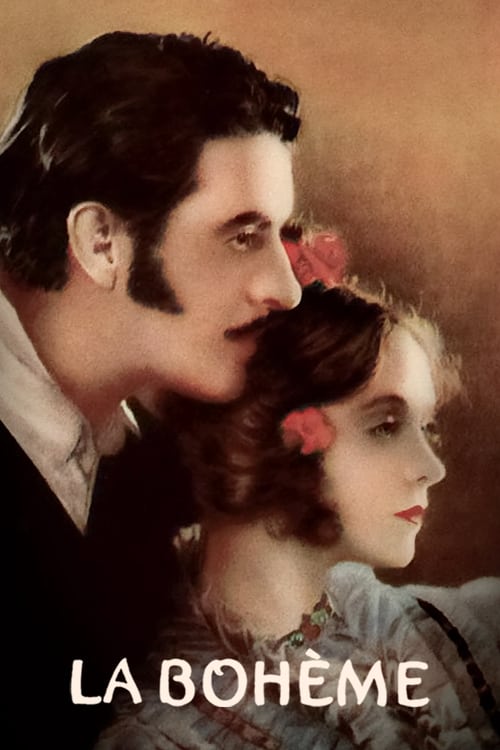
1926
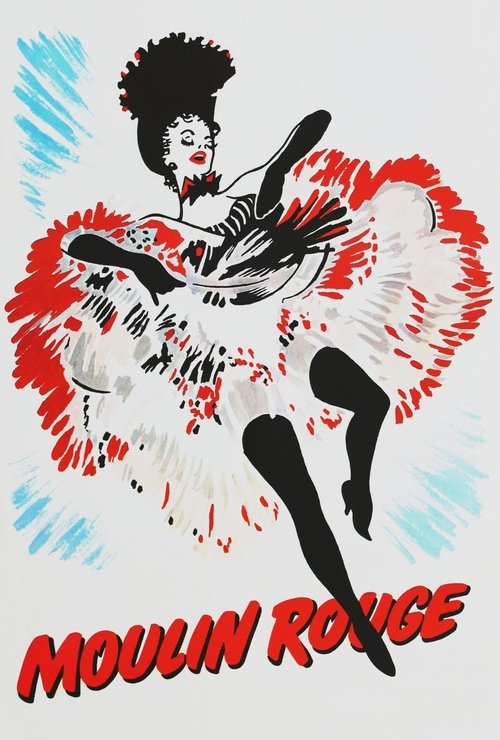
1952
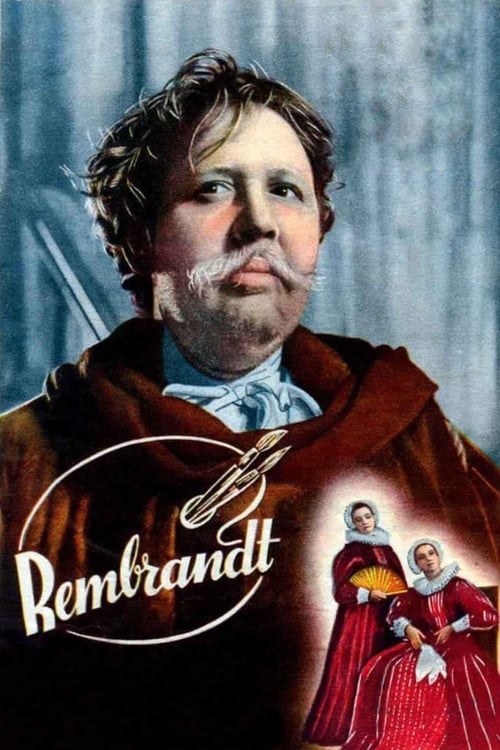
1936
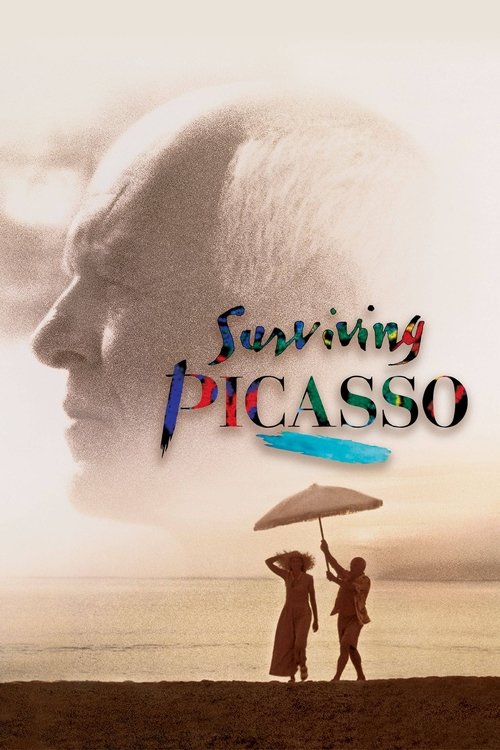
1996
No reviews yet. Be the first to share your thoughts on this movie!
Use the rating form above to leave a star rating and optional review.