
After Auschwitz
2017
No user ratings available yet
Representation score: 9.3 out of 10
Representation Score
Excellent
2011
Director
Magnus Gertten
Runtime
76 minutes
Average Rating
No ratings yetNew Showbiz Analysis
Harbour of Hope serves as a vital piece of historical testimony that prioritizes individual control over broad geopolitical movements. By centering the personal, multi-layered experiences of survivors, the documentary moves away from seeing victims as passive figures in history. The film successfully disrupts conventional storytelling by focusing on the nuanced realities of underrepresented populations. It highlights how individuals like Irene, Ewa, and Joe navigated the complexities of resettlement and identity reconstruction. While the film excels at portraying the resilience of ethnic and gendered identities, it remains a neutral baseline regarding LGBTQ+ representation. It is a focused study of post-war survival and the human struggle to find stability.
Category Breakdown
The film focuses on the survival and resettlement of Holocaust survivors. There is no explicit evidence regarding the depiction of non-straight identities or critiques of the assumption that everyone is straight.
The narrative centers on female subjects Irene and Ewa as primary agents. It disrupts traditional clichés of female passivity by showing them actively rebuilding their lives in Sweden.
The film provides visibility to survivors of systemic racial and ethnic persecution. It highlights the immigrant experience and the way different parts of someone's identity overlap with post-war societal integration.
The documentary explores rebuilding life within a new cultural framework. It examines the tension between past trauma and the social structures of the host nation.
The context of Holocaust survival inherently involves profound physical and psychological trauma. The film addresses the long-term effects and scars left by systemic violence.
Present on Screen
Limited or Absent
Official Synopsis
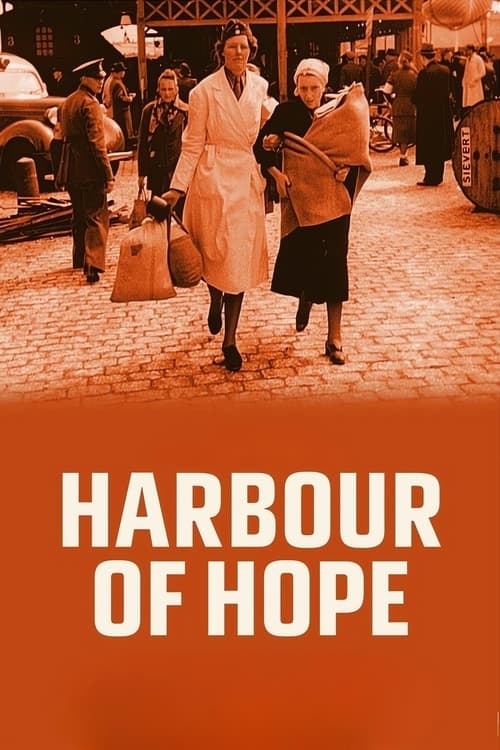
In 1945 Irene, Ewa and Joe were among the nearly 30,000 survivors rescued from German concentration camps to the peaceful harbour town Malmö, Sweden. Here they started life again.
2017
1998
1946

1985

2000

2020
1942

2018
No reviews yet. Be the first to share your thoughts on this movie!
Use the rating form above to leave a star rating and optional review.