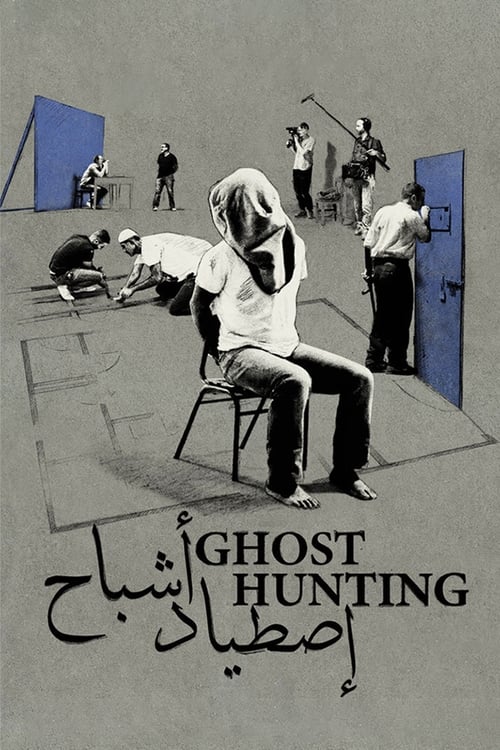
Ghost Hunting
2017
No user ratings available yet
Representation score: 9.4 out of 10
Representation Score
Excellent
2017
Director
Monika Borgmann, Lokman Slim
Runtime
103 minutes
Average Rating
No ratings yetNew Showbiz Analysis
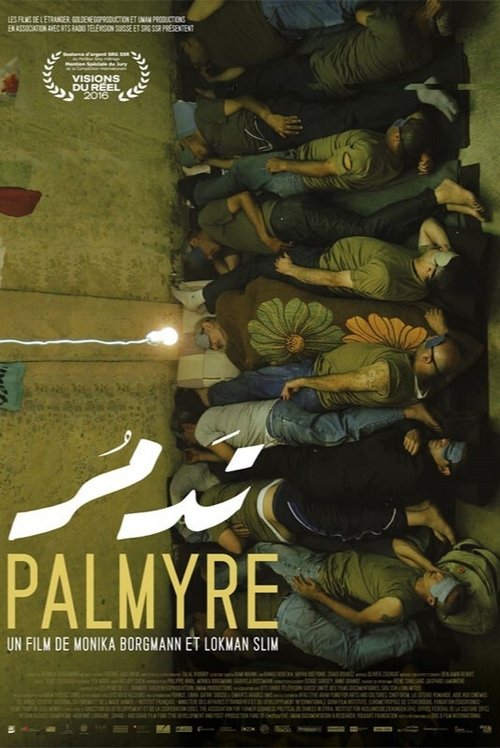
Tadmor is a powerful testimonial documentary that shifts the focus from passive victims to active survivors. By using theatrical reenactment to process trauma, the film allows participants to reclaim their role in driving the story and disrupt historical power dynamics. The film excels at centering the voices of historically underrepresented Lebanese individuals and challenging monolithic state narratives. It uses personal testimony to transform a dark chapter of history into a site of creative reclamation. However, the documentary lacks specific information regarding gendered roles or LGBTQ+ identities. The focus remains primarily on the political and psychological dimensions of state violence.
Category Breakdown
The film focuses on the shared trauma of political detainees. There is no explicit mention of LGBTQ+ identities or narratives that challenge the assumption that everyone is straight or cisgender.
The narrative centers on individuals reclaiming a significant role in driving the story after being stripped of their humanity. However, specific details regarding gender breakdown or the subversion of gendered roles are not provided.
The film provides high ability to act to Lebanese detainees, centering their specific ethnic and national experiences. It prioritizes the voices of those historically silenced by dominant political structures.
The documentary offers a profound critique of institutional oppression and state-sanctioned corruption. It emphasizes subjective truth and lived reality over singular, state-mandated morality.
While not focusing on physical disabilities, the film explores the profound psychological impact of systemic torture. It examines the mental health ability to act required to navigate post-traumatic states.
Present on Screen
Limited or Absent
Official Synopsis
Amidst the popular uprising against the Syrian regime that began in 2011, a group of former Lebanese detainees decides to break their long-held silence about the horrific years they spent imprisoned in Tadmor (Palmyra), one of the Assad regime's most dreadful prisons. They decide to testify publicly about the systematic torture and humiliation they experienced. To reclaim and overcome this dark chapter in their lives, they rebuild Tadmor in an abandoned school near Beirut. By playing the role of both "victim" and "victimizer," they will relive their survival.
2017
2011
2008

2013
2008
2015
2016
2012
No reviews yet. Be the first to share your thoughts on this movie!
Use the rating form above to leave a star rating and optional review.