Paradise Now
1970
No user ratings available yet
Representation score: 6.7 out of 10
Representation Score
Good
1981
Director
Rainer Werner Fassbinder
Runtime
91 minutes
Average Rating
No ratings yetNew Showbiz Analysis
Fassbinder’s documentary offers a sophisticated critique of social and artistic hierarchies. It succeeds by challenging traditional gender roles and exploring queer desire through a lens of power rather than simple identity markers. However, the film is limited by its narrow demographic scope. The lack of racial diversity and the absence of disability representation prevent a more layered exploration of the human condition. Ultimately, the film is a study of cultural deconstruction. It trades conventional social stability for a raw, identity-driven investigation of how individuals navigate desire and authority.
Category Breakdown
The film explores non-straight relationships through complex power dynamics. It avoids traditional romantic clichés, instead using attraction as a disruptive force that challenges social structures.
Gender stability is disrupted through asymmetrical and predatory power dynamics. The film challenges traditional hierarchies by focusing on psychological manipulation and emotional volatility.
The ensemble is primarily white European, reflecting the specific West German context of 1981. There is a notable lack of diverse ethnic perspectives.
The work excels at deconstructing Western institutions and moral certainties. It views social norms and professional boundaries as constructs to be dismantled.
There is no intentional focus on visible or invisible disabilities. Psychological volatility is treated as an existential struggle rather than a depiction of neurodivergence or illness.
Present on Screen
Limited or Absent
Official Synopsis
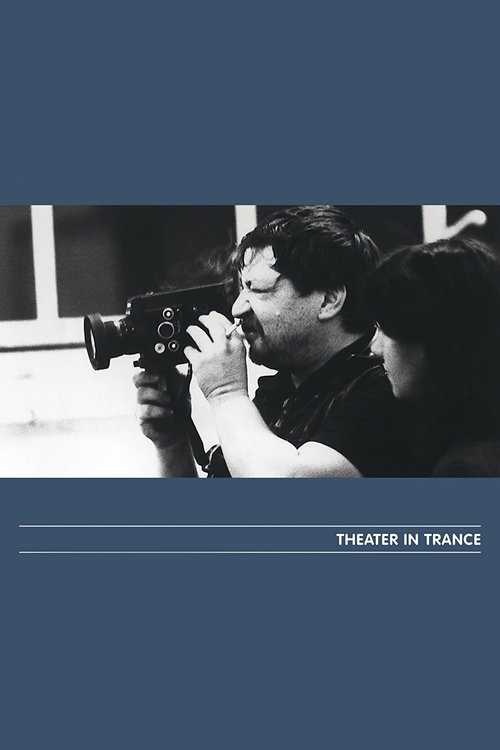
Rainer Werner Fassbinder visited for two weeks the "Theater der Welt" festival in 1981 in Cologne. 30 companies showed in over 100 performances their own visions of a new theater. Framed by Fassbinder's reading of one of the famous essays on theater: Antonin Artaud's "The Theater and its Double". The audience is left to wonder how much of Artaud's radical and beautiful vision is realized in contemporary theater.
1970
2011
1998
2017
2000
1989
1986
1969
No reviews yet. Be the first to share your thoughts on this movie!
Use the rating form above to leave a star rating and optional review.