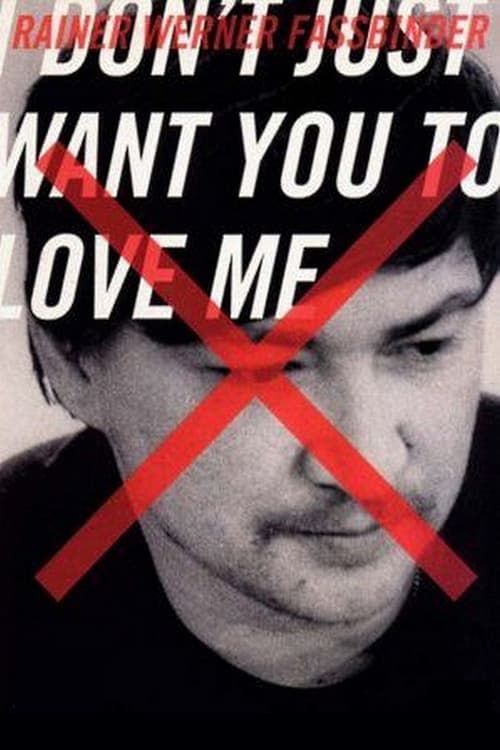
I Don’t Just Want You to Love Me
1992
No user ratings available yet
Representation score: 9.0 out of 10
Representation Score
Excellent
2000
Director
Rosa von Praunheim
Runtime
90 minutes
Average Rating
No ratings yetNew Showbiz Analysis
Rosa von Praunheim’s documentary is a profound exploration of queer subcultures and the dismantling of traditional social hierarchies. By centering the voices of Fassbinder’s collaborators, the film offers a deep dive into non-straight lifestyles and the deconstruction of gendered expectations. The film excels in its radical critique of Western institutions and its celebration of identity-driven storytelling. It frames the 'anti-social' elements of Fassbinder's work as a meaningful rebellion against systemic oppression rather than mere deviance. While the film is a vital archival tool for queer theory, its scope is somewhat limited by its focus on the European context. The exploration of racial diversity and disability remains secondary to the central themes of class and sexuality.
Category Breakdown
The documentary centers queer identity and explores the subcultures that defined the Fassbinder era. It validates diverse sexualities and gender expressions by focusing on non-straight relationships and identities.
The film highlights women with significant creative roles and explores complex, unconventional portrayals of womanhood. It challenges traditional gender hierarchies and power dynamics.
The film acknowledges Fassbinder's non-traditional casting practices but focuses primarily on class and queer identity within a European context.
The narrative critiques traditional Western institutions and bourgeois social norms. It portrays transgressive behaviors as a sophisticated rebellion against oppressive systems and religious structures.
The film touches upon the lived experiences of underrepresented groups and socioeconomic struggles. It does not focus on disability as a primary thematic pillar.
Present on Screen
Limited or Absent
Official Synopsis
An essay film in which filmmaker Rosa von Praunheim interviews "the willing victims of Rainer Werner Fassbinder."
1992
1998
2015
2015
2005
2012
2011
1979
No reviews yet. Be the first to share your thoughts on this movie!
Use the rating form above to leave a star rating and optional review.