Los chicos con las chicas
1967
No user ratings available yet
Representation score: 1.8 out of 10
Representation Score
Limited
1969
Director
Javier Aguirre
Runtime
90 minutes
Average Rating
No ratings yetNew Showbiz Analysis
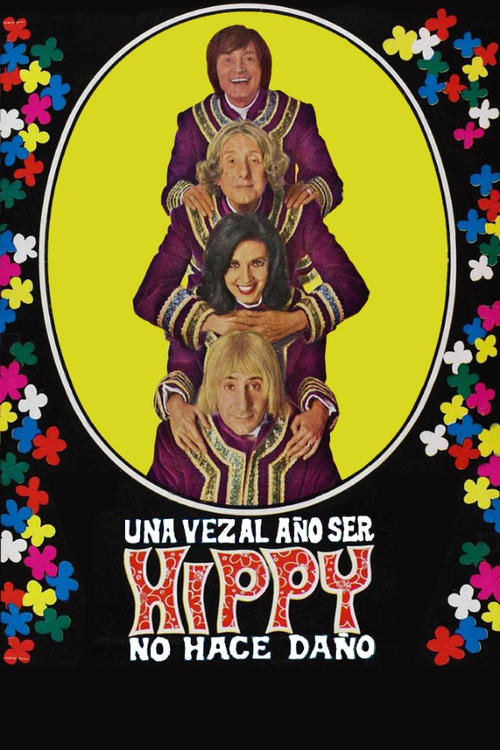
The film captures the early tremors of cultural shifts in late 1960s Spain through the lens of the hippie movement. It uses the movement as a comedic tool to disrupt traditional social hierarchies and domestic conservatism. While the film engages with non-conformist identities through music and lifestyle, it lacks deep multi-layered complexity. The representation often stays at the level of archetype or costume rather than providing fully realized roles for underrepresented groups. Ultimately, the work succeeds as social satire, highlighting the friction between established institutional norms and the growing influence of globalized pop culture.
Category Breakdown
Johny, a nomadic performer, serves as a catalyst for the group's transformation. However, the film relies on bohemian archetypes rather than explicit queer identity or intimate relationships.
The film challenges traditional Spanish masculinity and femininity by placing conservative characters in a fluid hippie environment. It uses lifestyle and costume to subvert conventional gender roles.
The cast remains largely homogeneous and localized within Torremolinos. The story focuses on domestic cultural tension rather than racial blending or diverse ethnic representation.
The narrative critiques rigid social structures by adopting hippie values. It uses Anglo-American pop aesthetics to challenge the cultural dominance of conservative Spanish institutions.
There is no discernible focus on visible or invisible disabilities within the narrative.
Present on Screen
Limited or Absent
Official Synopsis
The musical group "Flor de Lis y los Dos del Orinoco" tours the fairs of the towns with their repertoire of old melodies. They arrive in Torremolinos and settle in a camping site. There they meet Johny, a cheeky "go-go boy" who lives off the land and, if possible, from foreigners. He joins them and turns them into a beat band. They dress like hippies and sing in English. Their new stage name is "Los Hippy-Loyas", and they present themselves to the public as a pop group from Liverpool. Their new life leads them to the most unusual adventures.
1967
1968

1967
1978

1987
1989
1972
1979
No reviews yet. Be the first to share your thoughts on this movie!
Use the rating form above to leave a star rating and optional review.