
The Life of the Dead
1991
No user ratings available yet
Diversity score: 5.8 out of 10
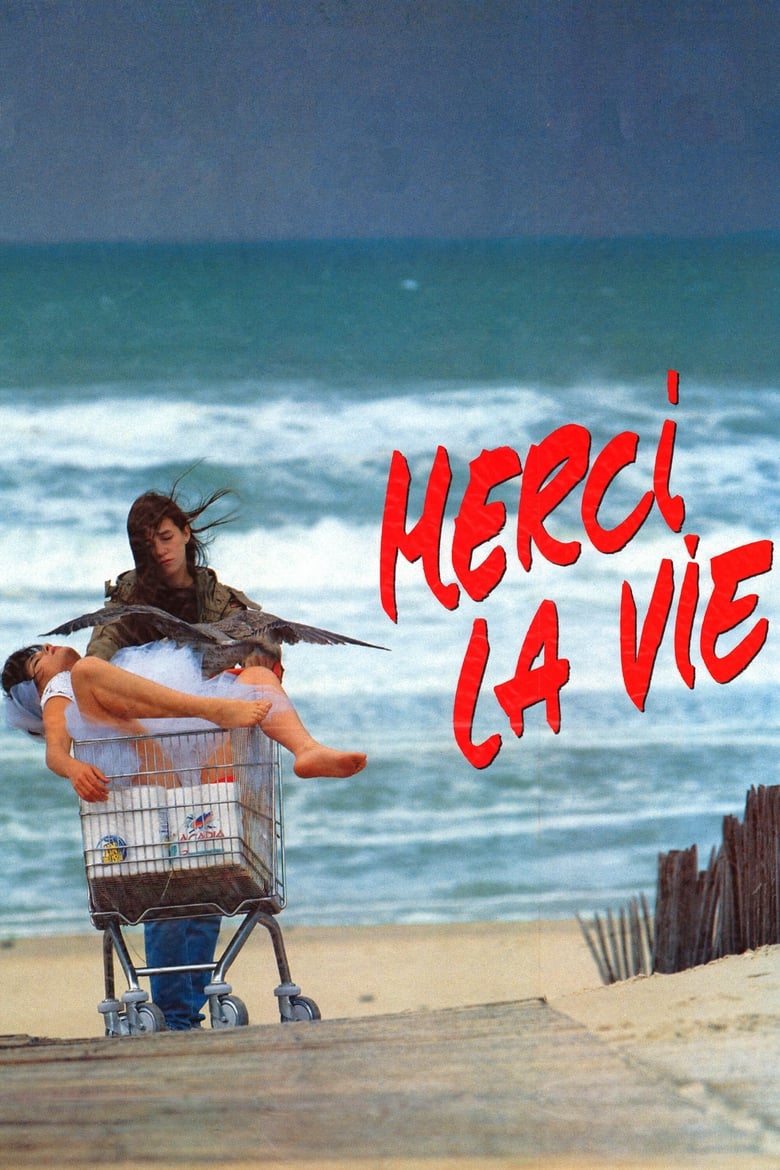
1991
Director
Bertrand Blier
Runtime
117 minutes
Average Rating
No ratings yetSynopsis
Camille, a naïve schoolgirl, meets an intriguing influence in Joelle, a slightly older and much more experienced spirit. Camille follows her new friend through the discovery of sex and the darker side of life. As the film progresses, Camille discovers AIDS and the fear that she may have picked up the disease in her early encounters.
Overall Score
Fair
Category Breakdown
LGBTQ+ Representation
The film explores sexual identity and the era's growing awareness of the HIV/AIDS crisis. It focuses more on the consequences of sexual exploration than on a centered queer narrative.
Gender Representation
The story centers on a female protagonist's psychological and sexual awakening. It subverts patriarchal stability by framing masculine authority as absurd and subject to female agency.
Racial & Ethnic Diversity
The narrative appears to focus on a relatively homogeneous social circle. There is no evidence of a diverse multi-ethnic cast driving the central plot.
Religious & Cultural Diversity
The film prioritizes subjective morality and existential absurdity over religious truths. It explores human connection through a lens of secular, situational ethics and existential uncertainty.
Disability Representation
AIDS is addressed as a reality of terminal illness. However, the condition serves primarily as a catalyst for existential reflection rather than a study of character agency.
Strengths
Areas for Improvement
AI Analysis
Bertrand Blier’s work challenges traditional social structures through a transgressive lens. The film succeeds in deconstructing gendered power dynamics and subverting the typical coming-of-age trope by introducing themes of systemic vulnerability and mortality. However, the film lacks racial and multi-ethnic breadth, remaining centered within a specific Western European socioeconomic context. While it engages with the HIV/AIDS crisis, the representation of illness functions more as a plot device for existential dread than a nuanced portrayal of disability. Ultimately, the film is a postmodern exploration of human fragility. It trades comforting resolutions for a meditation on the absurdity of existence and the breakdown of conventional moral frameworks.
1991
1994
1979

1985

1998

1992
1993

1989
2000

1981
1993
1984
No reviews yet. Be the first to share your thoughts on this movie!
Use the rating form above to leave a star rating and optional review.