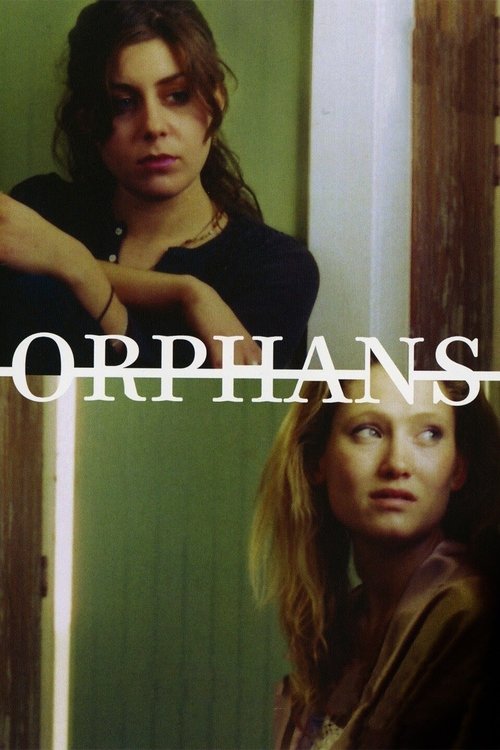
Orphans
2007
No user ratings available yet
Representation score: 8.2 out of 10

Representation Score
Fair
2010
Director
Fabienne Berthaud
Runtime
103 minutes
Average Rating
No ratings yetNew Showbiz Analysis
Lily Sometimes is a character-driven drama that excels in its nuanced exploration of queer identity and its subversion of traditional gender roles. The film prioritizes internal landscapes and female empowerment over conventional plot devices. However, the film lacks racial and ethnic diversity, presenting a homogeneous visual landscape tied to its specific French setting. This narrow focus limits the diversity of social perspectives presented. Ultimately, the film succeeds as an intimate study of identity and domestic conflict, even if it remains limited in its broader cultural and ethnic representation.
Category Breakdown
The film focuses on the protagonist's journey of self-discovery, where queer identity plays a central role. Instead of using orientation as a plot device, the film integrates non-straight relationships into the broader search for identity.
The narrative centers on the emotional experiences of women, highlighting the tension between personal desires and family obligations. Women are portrayed as the main drivers of the story.
Set in the French Alps, the film features a predominantly white European cast. The visual landscape is relatively uniform, lacking diverse ethnic perspectives or actors from different backgrounds.
The story emphasizes secular, subjective morality rather than religious teachings. It portrays the family unit as a place of deep emotional struggle and transformation, rather than a harmonious institution.
There is no significant portrayal of physical or neurodivergent disabilities within the narrative.
Present on Screen
Limited or Absent
Official Synopsis
After the death of her mother, a woman returns home to care for her sister.
2007
2018
1998
2008
2003
2021

1995

2021
No reviews yet. Be the first to share your thoughts on this movie!
Use the rating form above to leave a star rating and optional review.