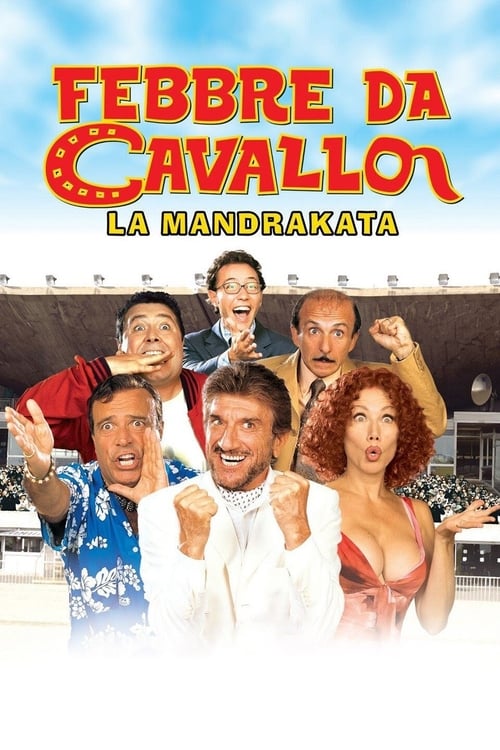
Horse Fever: The Mandrake Sting
2002
No user ratings available yet
Representation score: 1.6 out of 10
Representation Score
Minimal
1976
Director
Steno
Runtime
90 minutes
Average Rating
No ratings yetNew Showbiz Analysis
Horse Fever operates as a traditional mid-century character comedy, focusing on individual moral failings and personal misfortune. The narrative lacks the intentionality required to disrupt established social hierarchies or explore the overlapping aspects of identity. Instead, the film adheres to the conventional comedic frameworks of its era. It prioritizes localized social vices and domestic dysfunction over broader systemic or cultural critiques.
Category Breakdown
The story revolves around heterosexual marriage conflicts and infidelity. There is no representation of LGBTQ+ identities or narratives that challenge traditional social structures.
The film relies on a traditional gender hierarchy where the female lead's actions are framed through her infidelity, reinforcing conventional domestic power dynamics.
Set in Rome, the film reflects the homogeneous demographic reality of 1970s Italy. The narrative lacks a multi-ethnic cast that would disrupt the era's standard social composition.
The film explores gambling and domestic instability through a cynical lens. It functions as a character study of individual misfortune rather than a systemic critique of institutions.
No visible or invisible disabilities are central to the character arcs or the progression of the plot.
Present on Screen
Limited or Absent
Official Synopsis
Bruno Fioretti, known as "Mandrake", is an inveterate gambler who never misses a day at the horse racing track in Rome. He is doubly unlucky: he bets too much on one horse, and his wife is sleeping with his best friend because Mandrake is always at the track. Penniless and cuckolded, Mandrake decides to make one last bet.
2002

1977
1957
1972
1951
1974
2003
1981
No reviews yet. Be the first to share your thoughts on this movie!
Use the rating form above to leave a star rating and optional review.