
Adultery Italian Style
1966
No user ratings available yet
Representation score: 3.9 out of 10
Representation Score
Limited
1981
Not RatedDirector
Steno
Runtime
100 minutes
Average Rating
No ratings yetNew Showbiz Analysis
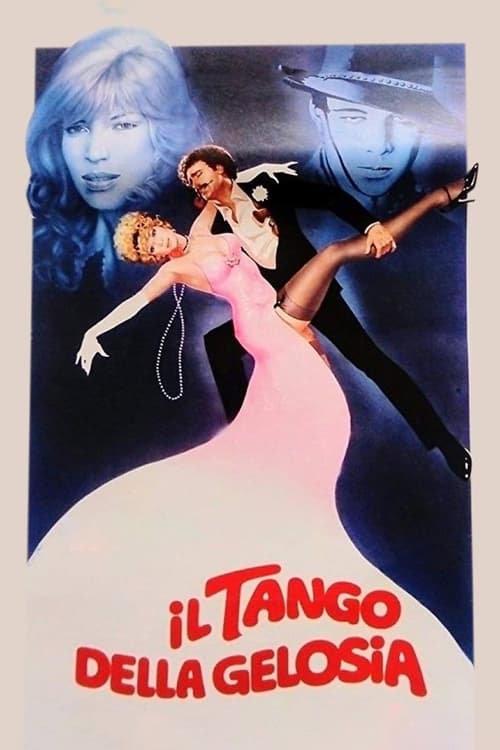
The Tango of Jealousy is a traditional period comedy that relies on established narrative structures centered around marriage and domestic disputes. The plot revolves around a woman's attempt to spark jealousy in her husband through a third party, focusing on interpersonal melodrama rather than social exploration. While the protagonist actively drives the plot through her own decisions, the film largely adheres to the cinematic conventions of early 1980s European comedy. It operates within a homogeneous social context, reflecting the demographic norms of its time without attempting to disrupt social hierarchies. Ultimately, the film lacks intentionality regarding the way different parts of someone's identity overlap. It remains a character-driven comedy focused on romantic manipulation rather than a critique of systemic power or identity.
Category Breakdown
The film focuses solely on a heterosexual marital relationship and does not include any non-straight or non-cisgender identities. It also does not critique the assumption that everyone is straight or cisgender.
Lucia manipulates her husband's emotions to regain his attention, showing she plays a significant role in driving the story. However, the plot reinforces traditional gender roles through its reliance on conventional romantic clichés.
The story takes place in a homogeneous social environment typical of its era and region. There is no evidence of a diverse cast or actors from different backgrounds.
The story operates within traditional Western social values and the framework of the nuclear family. It engages with standard comedic clichés rather than challenging established institutions.
There is no information available regarding the depiction of physical or neurodivergent characters in this work.
Present on Screen
Limited or Absent
Official Synopsis
Since her husband is distracted by his passion for horse racing, Lucia decides to make him jealous by pretending to be the lover of his bodyguard, Diego.
1966
1973
1980
1961
1958

1978

1962
1976
No reviews yet. Be the first to share your thoughts on this movie!
Use the rating form above to leave a star rating and optional review.