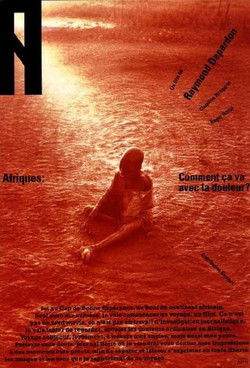
Afriques : comment ça va avec la douleur ?
1996
No user ratings available yet
Representation score: 6.4 out of 10

Representation Score
Good
1994
Director
Anne-Laure Folly
Runtime
52 minutes
Average Rating
No ratings yetNew Showbiz Analysis
Anne-Laure Folly’s documentary is a sophisticated ethnographic study that challenges monolithic cultural clichés. By focusing on women from Burkina Faso, Mali, Senegal, and Benin, the film provides a nuanced, multifaceted look at regional identities and the complex social positioning of women within their specific national contexts. The film's primary strength lies in its refusal to treat Africa as a singular entity, instead highlighting the diverse lived realities of women across West Africa. However, the specificities of LGBTQ+ representation remain subtle.
Category Breakdown
The film highlights female autonomy but may have subtle representations of non-straight identities due to specific cultural contexts.
The documentary focuses on women's perspectives, showcasing them as active drivers of their communities rather than passive subjects.
The film presents a predominantly non-Western cast, celebrating regional ethnic diversity across West Africa.
The film explores post-colonial identity and morality, examining how local power dynamics and traditional institutions interact with contemporary women's ability to drive the story in four specific nations.
There is no specific information available regarding the portrayal of disability in this documentary.
Present on Screen
Limited or Absent
Official Synopsis
Portraits of contemporary African women from four West African nations: Burkina Faso, Mali, Senegal and Benin.
1996
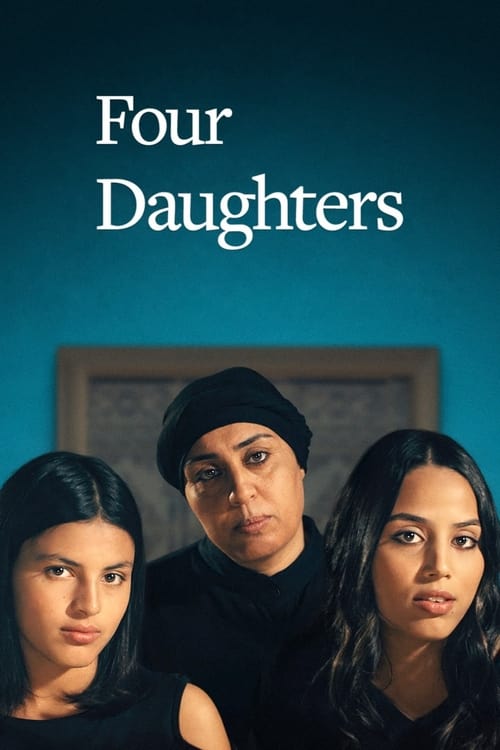
2023
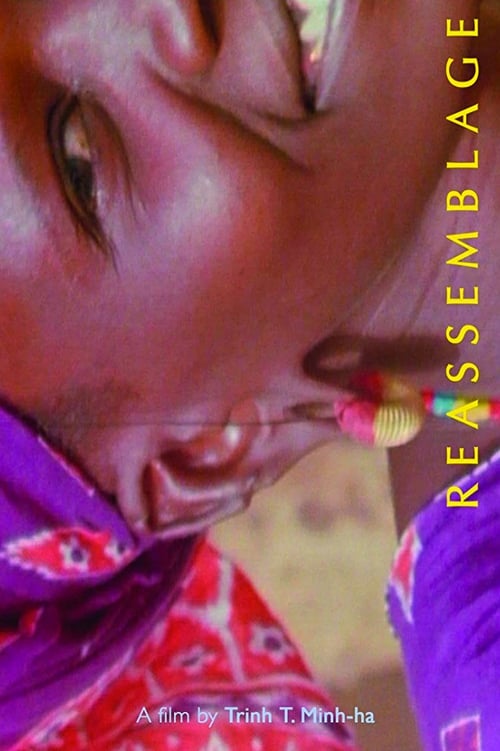
1983
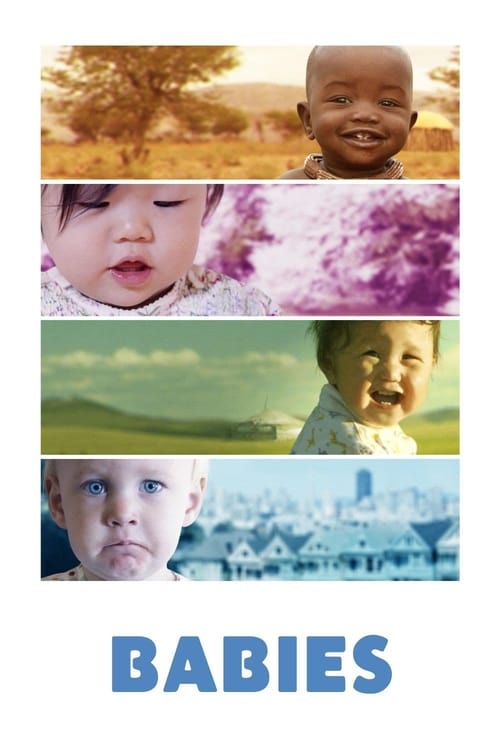
2010
1963
2009

2018
2020
No reviews yet. Be the first to share your thoughts on this movie!
Use the rating form above to leave a star rating and optional review.