
El hombre propone...
1965
No user ratings available yet
Representation score: 3.2 out of 10
Representation Score
Fair
1981
Director
Rogelio A. González
Runtime
115 minutes
Average Rating
No ratings yetNew Showbiz Analysis
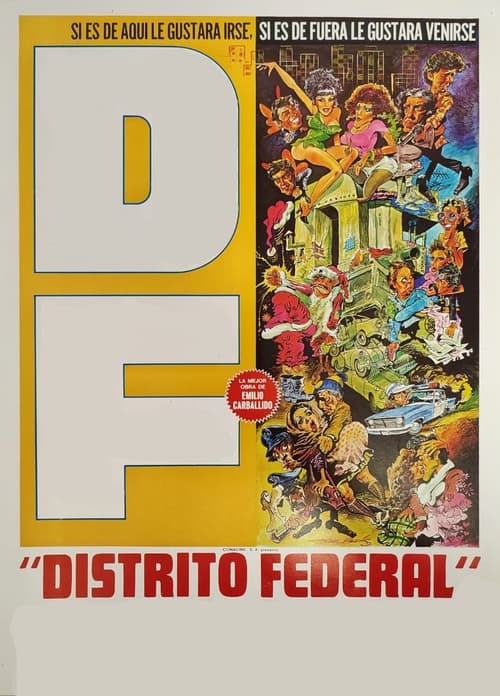
D.F./Distrito Federal serves as a social snapshot of Mexico City in 1981. Its anthology structure provides a fragmented look at urban life through six distinct anecdotes, offering a non-Western perspective by virtue of its setting. However, the film operates within the traditional dramatic frameworks of its era. It focuses on anecdotal realism rather than the intentional deconstruction of social hierarchies or systemic subversion. While the film is culturally grounded in its specific location, it lacks the documented evidence of complex characters who reflect more than one aspect of diversity needed to move beyond a baseline social-realist depiction.
Category Breakdown
The film does not include explicit LGBTQ+ narratives or overt critiques of the assumption that everyone is straight or cisgender. It maintains a neutral stance typical of early 1980s Latin American urban dramas.
The storytelling likely follows conventional 1980s gender roles. Without evidence of women taking control over their own stories, they appear to occupy secondary or domestic social roles.
The setting provides inherent cultural authenticity by centering on a Mestizo-majority context. This naturally deviates from Western Hollywood norms through its urban Mexican landscape.
The vignettes explore the friction between individuals and urban institutions like bureaucracy. It offers a standard social-realist portrayal of life within the Distrito Federal.
There is no documented evidence of characters with physical or neurodivergent disabilities in the film's vignettes.
Present on Screen
Limited or Absent
Official Synopsis
Anthology film, six little anecdotes about life in the big city.
1965

1964

1991

2001
1973
1987
1966
1981
No reviews yet. Be the first to share your thoughts on this movie!
Use the rating form above to leave a star rating and optional review.