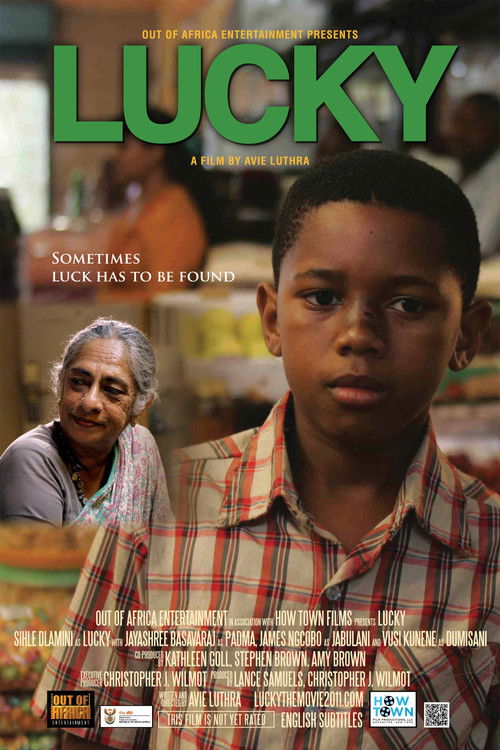
Lucky
2011
No user ratings available yet
Representation score: 6.0 out of 10
Representation Score
Excellent
2005
TV-PGDirector
Avie Luthra
Runtime
20 minutes
Average Rating
No ratings yetNew Showbiz Analysis
Lucky is a poignant piece of social-realist cinema that centers underrepresented identities within a specific geopolitical landscape. By focusing on the bond between a South African orphan and an Indian neighbor, the film moves away from monolithic storytelling toward a more nuanced approach. The narrative uses intimate, personal connections to critique broader systemic inequities, particularly the impact of the HIV/AIDS crisis. This approach allows the film to engage with the breakdown of social safety nets and the complexities of post-colonial life. While the film excels in racial and cultural nuance, it offers less visibility regarding specific gendered arcs or LGBTQ+ identities. Its strength lies in its ability to use human connection to highlight systemic social failures.
Category Breakdown
The film does not include explicit LGBTQ+ characters or dynamics that challenge the assumption that everyone is straight or cisgender. The narrative focuses on inter-ethnic and inter-generational connections.
There are no detailed female character arcs, but the story of an orphan navigating systemic hardships may subvert traditional patriarchal structures.
The film highlights intentional representation by centering a South African protagonist and an Indian neighbor, which challenges Anglo-centric views and explores racial diversity.
The story critiques systemic failures by portraying the protagonist as an AIDS orphan, emphasizing communal solidarity over rigid Western social hierarchies.
The film addresses the intersection of health crises and social vulnerability. Being an AIDS orphan serves as a metaphor for navigating chronic health issues.
Present on Screen
Limited or Absent
Official Synopsis
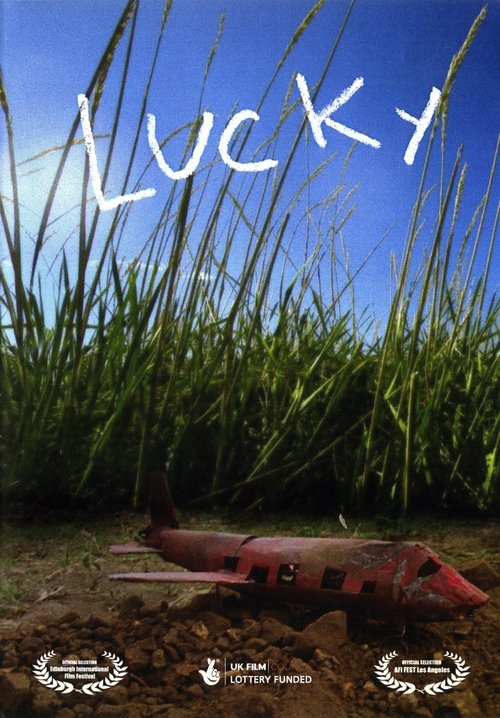
Lucky is a South African Aids orphan who learns about life through an unlikely bond with an Indian neighbour. Nominated for a BAFTA for best short film.
2011
2007
2008
2006
No reviews yet. Be the first to share your thoughts on this movie!
Use the rating form above to leave a star rating and optional review.