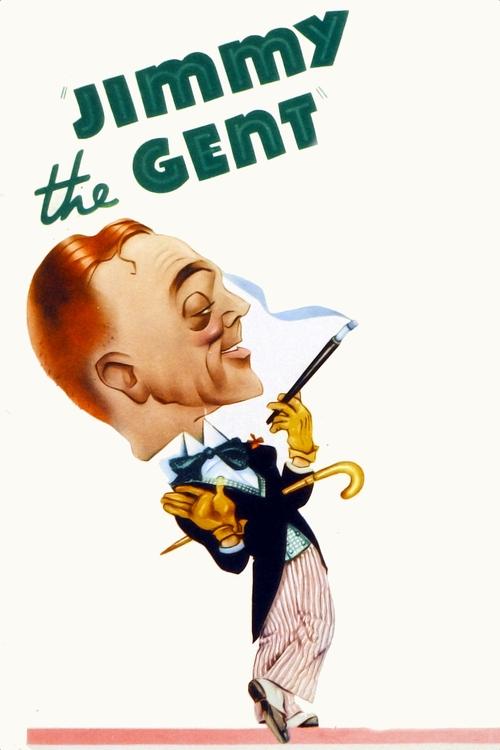
Jimmy the Gent
1934
No user ratings available yet
Diversity score: 2.6 out of 10

1943
NRDirector
H. C. Potter
Runtime
100 minutes
Average Rating
No ratings yetSynopsis
A conman poses as a war relief fundraiser, but when he falls for a charity worker, his conscience begins to trouble him.
Overall Score
Limited
Category Breakdown
LGBTQ+ Representation
The film lacks any LGBTQ+ characters or non-heteronormative identities. The romantic arc is strictly centered on a traditional heterosexual pairing.
Gender Representation
Narrative agency is concentrated in the male protagonist, whose social maneuvering drives the plot. The female lead serves primarily as a romantic objective and moral compass.
Racial & Ethnic Diversity
The cast is predominantly homogeneous, reflecting 1943 production standards. The setting reinforces a depiction of a culturally uniform, white-centric social elite.
Religious & Cultural Diversity
The story operates within a conventional Western framework emphasizing individualist morality. It reinforces traditional social values rather than challenging existing institutions.
Disability Representation
There are no visible or significant portrayals of physical or neurodivergent disabilities within the film.
Strengths
Areas for Improvement
AI Analysis
Mr. Lucky is a period-typical production that prioritizes traditional narrative arcs and social norms. It functions as a quintessential example of the mid-century Hollywood studio system, adhering closely to the social hierarchies of its era. The film lacks intersectional complexity, focusing instead on individualist pursuits of wealth and romantic reconciliation. Its narrative architecture is designed to reinforce, rather than disrupt, prevailing gender and social structures. Ultimately, the work operates within a narrow framework that lacks significant minority representation or any critique of the established social order.
No reviews yet. Be the first to share your thoughts on this movie!
Use the rating form above to leave a star rating and optional review.