
Cándida
1939
No user ratings available yet
Representation score: 0.8 out of 10

Representation Score
Minimal
1970
Director
Juan de Orduña
Runtime
105 minutes
Average Rating
No ratings yetNew Showbiz Analysis
La tonta del bote is a typical product of 1970s Spanish commercial cinema, prioritizing mainstream social norms and traditional narrative structures. The film reflects the era's demographic and moral standards rather than serving as a tool for social change. The representation is largely uniform, focusing on a white, middle-class environment with a strict adherence to traditional romantic arcs. Character archetypes, particularly the female lead, rely on established stereotypes of submissiveness and comedic incompetence. Ultimately, the film lacks complexity in representing multiple aspects of identity. It maintains a predictable, lighthearted trajectory that reinforces existing social hierarchies instead of disrupting them through diverse casting or progressive themes.
Category Breakdown
The film does not include any LGBTQ+ characters or non-straight relationships. The only romantic relationship shown is a traditional heterosexual pairing between Susana and Felipe.
Susana is portrayed through traditional stereotypes of naivety and clumsiness. The narrative reinforces conventional gender roles by positioning her as a submissive object of romantic pursuit.
The cast and setting are homogeneous, reflecting the white, Spanish middle-class society of 1970s Spain. There is no visible effort to include racial or ethnic diversity.
The story adheres to the conventional morality and social hierarchy of its time. It focuses on maintaining social standing within a traditional household rather than challenging institutions.
The protagonist's clumsiness serves as a comedic trait rather than a meaningful exploration of disability. No characters with disabilities are portrayed with real influence.
Present on Screen
Limited or Absent
Official Synopsis
Susana is an unappreciated, naive and somewhat clumsy orphan who has lived since she was a child at doña Engracia's house, because her mother died a few days after she was born. In this house, which also houses three nephews of doña Engracia without a penny to one's name, Susana is the maid of all. Economic necessities lead Engracia to rent a room. Felipe, a handsome man with a bad reputation, will reply to the ad.
1939

1984
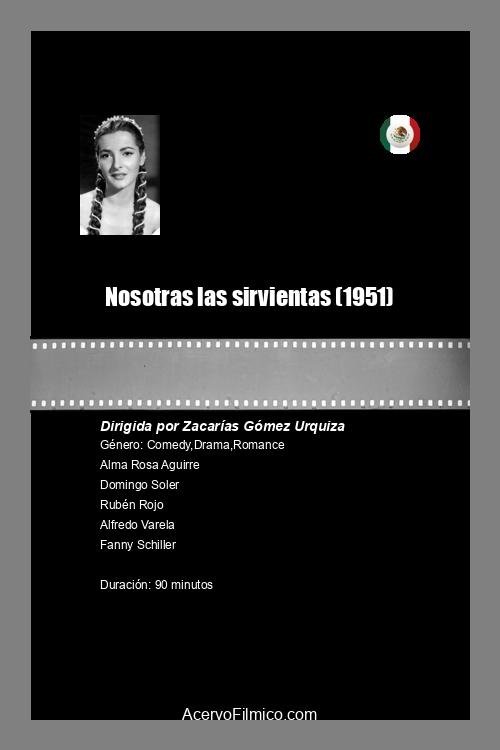
1951
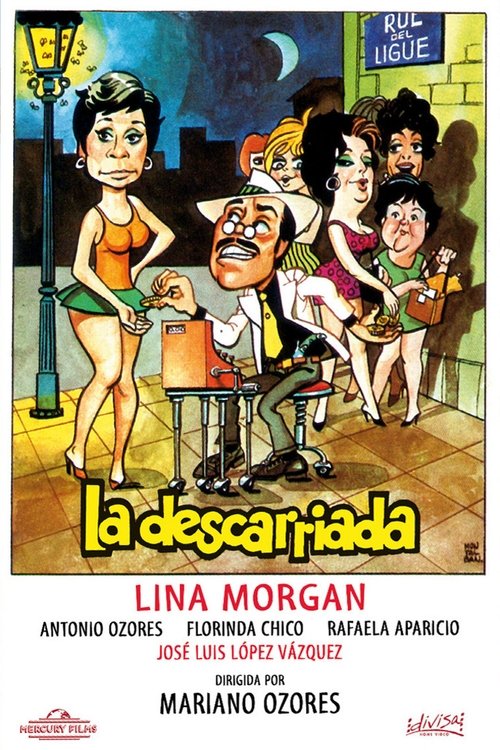
1973
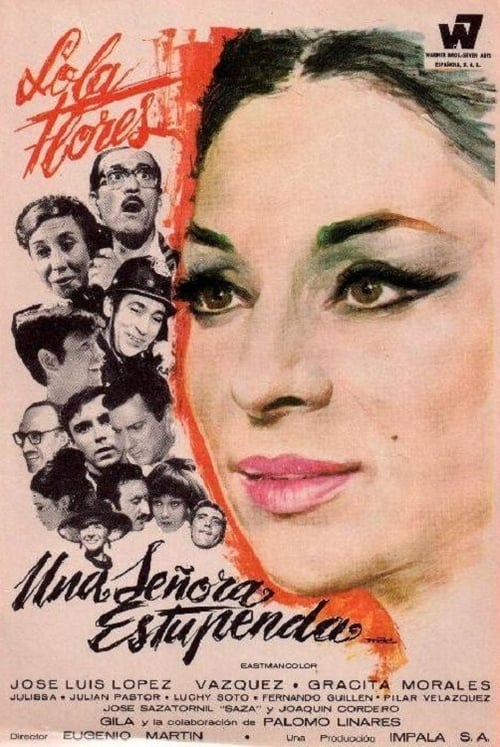
1970
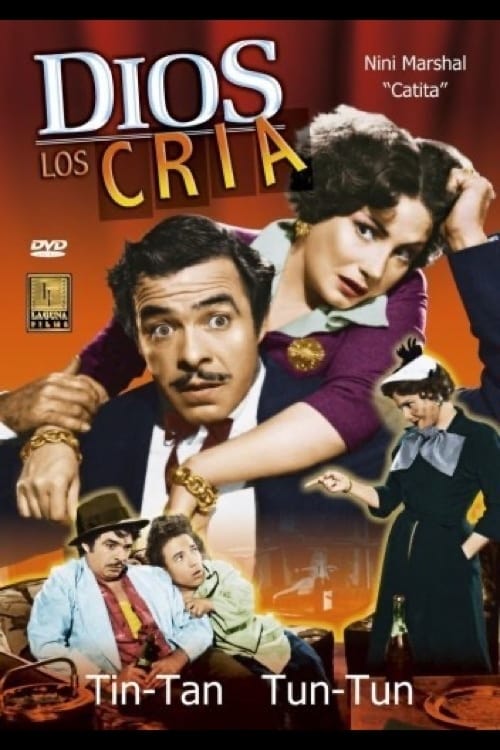
1953
1971
1952
No reviews yet. Be the first to share your thoughts on this movie!
Use the rating form above to leave a star rating and optional review.