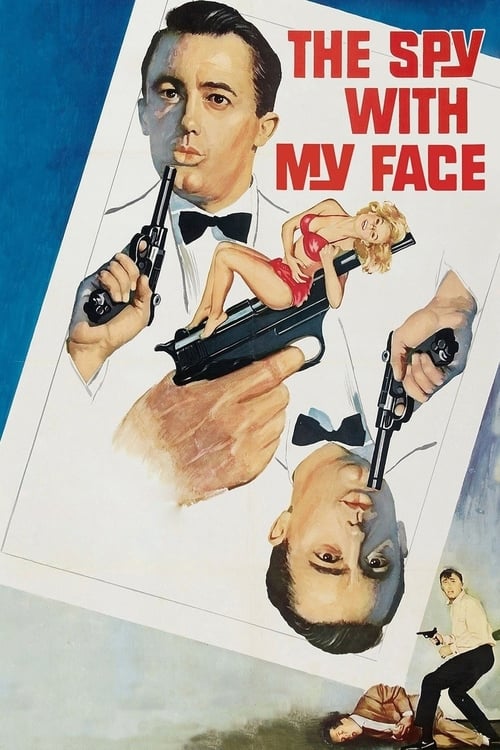
The Spy with My Face
1965
No user ratings available yet
Representation score: 2.3 out of 10

Representation Score
Minimal
1972
RDirector
Jean-Marie Pallardy
Average Rating
No ratings yetNew Showbiz Analysis
Unsatisfied is a product of its era, functioning as a standard genre thriller rather than a vehicle for social commentary. While it centers on a female protagonist, the narrative remains tied to traditional suspense clichés that emphasize her vulnerability to male antagonists. The film lacks intentional representation of multiple aspects of identity, offering no visible diversity in terms of race, sexual orientation, or disability. It adheres to the homogeneous casting and narrative norms common in 1970s European exploitation cinema. Ultimately, the film prioritizes genre-driven thrills over demographic complexity or the subversion of social hierarchies.
Category Breakdown
The film does not include any LGBTQ+ characters or stories about non-cisgender identities. The plot revolves around a female protagonist facing off against male antagonists in a traditional thriller format.
Stéfanie is the main character and plays a significant role in the story, growing suspicious and taking action. However, the premise of her being targeted and replaced relies on classic suspense clichés that highlight her vulnerability as a woman.
There is no indication of a racially diverse cast in the provided context. The setting and era suggest a homogeneous casting approach typical of 1970s European genre cinema.
The story focuses on a localized interpersonal thriller rather than critiquing societal structures. It lacks themes related to religion, secularism, or anti-capitalism.
The narrative contains no mention of characters with visible or invisible disabilities.
Present on Screen
Limited or Absent
Official Synopsis
Stéfanie, nursing an old man in a nice country villa, has been killed by young men; they will try to replace her with a double; when she finally gets suspicious they plan to kill her too
1965
1964

1967

1975
1969

1964
1967

1973
No reviews yet. Be the first to share your thoughts on this movie!
Use the rating form above to leave a star rating and optional review.